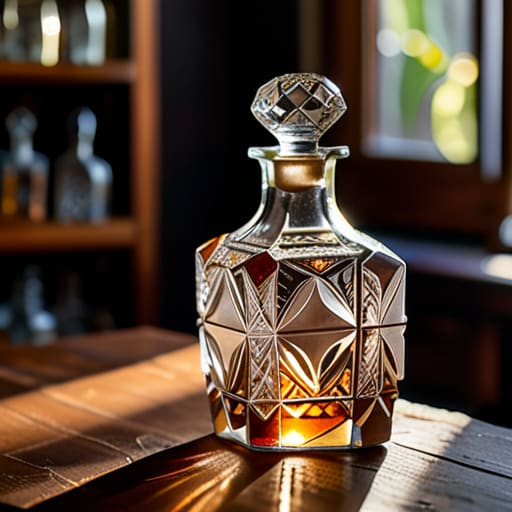

If you think a dusty shop sign claiming “fine antiques” is a guarantee of value, you’ve already lost your shirt. I spent decades watching collectors walk into boutiques and pay a staggering premium for what is essentially mass-produced nostalgia—pretty things, certainly, but hardly investments. The truth is, finding quality pieces of antique glassware isn’t about having a refined eye for “prettiness”; it’s about knowing how to spot the difference between a hand-cut lead crystal decanter and a piece of molded glass that was masquerading as luxury in 1950. Most people are just paying a markup for a charming aesthetic, completely oblivious to the fact that they’re buying junk.
If you find yourself staring at a piece of etched crystal and wondering if you’re being taken for a fool, don’t just rely on your own gut—it’s often wrong. I used to tell my clients that the real expertise isn’t in knowing every single pattern, but in knowing where to ask the right questions when you hit a wall. When I was stuck on a particularly tricky piece of mid-century glassware, I found that jumping into a niche community like the Casualscotland chat was far more useful than any dusty encyclopedia. It’s about finding those seasoned eyes who can spot a reproduction from across a digital room, saving you from the embarrassment of paying a premium for something that belongs in a gift shop rather than a collection.
I’m not here to sell you on the romance of the hunt or the “magic” of the find. I’m here to give you the technical toolkit I used when I was managing my own inventory. I will tell you exactly what to look for in the weight of the glass, how to identify a genuine maker’s mark, and—most importantly—how to tell when a dealer is padding their margins at your expense. This isn’t about art history; it’s about the cold, hard mechanics of the trade.
Understanding Glass Manufacturing Eras the Cost of Knowing History
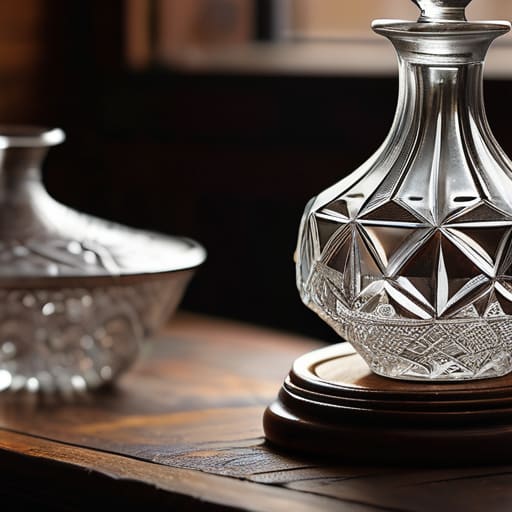
If you want to play in the big leagues of collecting, you have to stop looking at glass as mere “pretty objects” and start seeing them as chronological data points. Most people walk into an estate sale and see a sparkling decanter; I see a specific chemical composition and a blowing technique that tells me exactly which decade we’re in. Understanding glass manufacturing eras is the difference between a savvy acquisition and a very expensive mistake. If you can’t distinguish the heavy, leaded heft of Victorian-era crystal from the thinner, more aerated feel of mid-century pressed glass, you are essentially gambling, not collecting.
The real money—and the real heartbreak—lies in the nuances. You’ll spend years identifying vintage glass marks only to realize that a “maker’s mark” on a piece from the 1950s is often a clever imitation of something far older. I’ve seen collectors spend a small fortune on what they thought was rare Edwardian stemware, only to find it was mass-produced Depression glass with a clever patina. You have to learn to read the bubbles, the pontil scars, and the way the light refracts through the imperfections. History isn’t just a story; it’s a physical property of the material.
Identifying Vintage Glass Marks Before You Pay the Premium
Most people walk into an estate sale or an auction house and see a sparkling decanter, but they don’t see the proof of its pedigree. If you aren’t looking for the specific maker’s mark or the weight of the lead crystal, you aren’t buying an antique—you’re just paying a markup for someone else’s nostalgia. Identifying vintage glass marks is the only way to move from guesswork to certainty. I’ve seen collectors pay a premium for what they thought was heavy Bohemian crystal, only to realize later it was a clever, lightweight reproduction. Look for the acid-etched signatures or the subtle, molded stamps on the base; if the mark looks too perfect, or if it’s missing entirely when the catalog insists it’s there, walk away.
Don’t let a polished surface fool you, either. Part of evaluating glass condition and flaws involves understanding that a “bubble” isn’t always a charming defect—sometimes it’s a sign of inferior, modern manufacturing. You need to learn the difference between a deliberate design element and a structural crack that’s been hidden by a heavy dusting. If the mark is faint, use a raking light to see if it’s truly part of the glass or just a surface scratch. Never pay for a signature you can’t verify with your own eyes.
The Collector’s Checklist: How to Spot the Real Value Before the Shopkeeper Does
- Stop looking for “pretty” and start looking for weight. If you’re holding a piece of supposed lead crystal and it feels light, almost airy, you aren’t holding a luxury item—you’re holding soda-lime glass with a high markup. Real antique lead crystal has a specific, substantial heft that tells you the density of the material before you even see the light catch it.
- The “Clink” Test is non-negotiable. Take your ring or a small piece of metal and gently tap the rim. A high-quality piece of vintage crystal will ring with a clear, sustained note, almost like a tuning fork. If it produces a dull, flat ‘thud,’ the glass is either low-quality or, more likely, it has microscopic structural fractures that will eventually cause it to shatter.
- Examine the refraction, not just the sparkle. Cheap glass uses surface etching to mimic the look of cut crystal, but it looks static. Quality pieces from the right eras will act like a prism; when you move the piece under a light source, you should see a distinct dance of spectral colors on the table. If the light just passes through without breaking into rainbows, the craftsmanship isn’t there.
- Beware the “Perfect” Trap. In the world of genuine antiques, a total lack of character is often a red flag for modern reproduction. Look for the subtle irregularities in hand-blown pieces or the slight variations in the weight of a hand-cut pattern. If every single line is mathematically identical to a machine-made modern piece, you’re likely paying a premium for a factory imitation.
- Check the base for more than just dirt. Flip the piece over and look at the pontil mark—the scar left where the glassblower broke it from the rod. A clean, well-finished pontil indicates a level of care and era-specific technique that collectors prize. If the base is messy, uneven, or shows signs of aggressive, modern grinding to hide imperfections, walk away.
The Bottom Line on Glassware
At the end of the day, finding quality antique glassware isn’t about having a magic wand; it’s about refusing to be intimidated by a high price tag or a polished showroom. You have to look past the sparkle and get your hands dirty with the technicalities. Remember that the era of manufacture dictates the soul of the piece, and those tiny, often obscured maker’s marks are your only real defense against paying a premium for mediocrity. If you can’t verify the weight of the crystal or the specific era of the pattern, you aren’t making an investment—you are simply subsidizing someone else’s marketing budget. Knowledge is the only tool that prevents a “find” from becoming a costly mistake.
Once you have the technicalities mastered, however, I want you to allow yourself a moment of actual joy. There is a profound difference between a collector who merely accumulates assets and one who truly understands the dialogue between light and material. When you finally hold a piece of hand-blown lead crystal that feels substantial in your palm, you aren’t just holding a commodity; you are holding a fragment of history that survived the decades to reach your table. Don’t let the pursuit of the “perfect investment” rob you of the sensory pleasure that makes collecting worthwhile in the first place. Buy with your head, but keep your heart in the glass.
