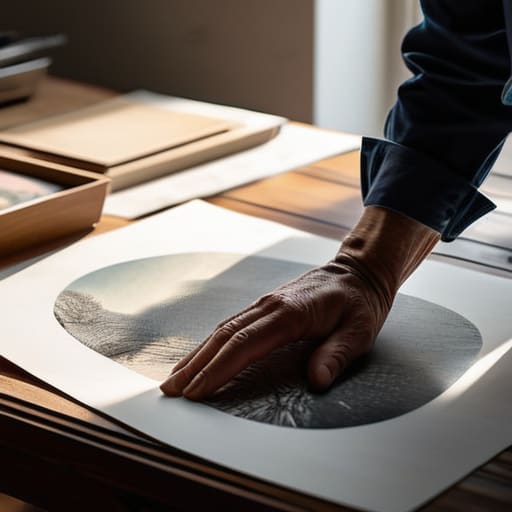

I remember a client back in 2014—lovely woman, lovely home—who came into my gallery clutching a receipt for a “limited edition” print that cost her more than a used hatchback. She was so convinced by the fancy numbering and the artist’s signature that she didn’t realize she’d essentially bought a glorified photocopy with a marketing budget attached. Most people approach the market thinking they need a massive bank account to own something meaningful, but the truth about how to buy prints wisely has nothing to do with the price tag and everything to do with the paper.
I’m not here to sell you on the mystique or tell you that every ink smudge is a financial windfall. I spent twenty-six years looking at the backs of frames and the ledgers of galleries, and I’ve learned exactly where the value hides and where the fluff begins. In this guide, I am going to strip away the pretension and show you how to spot genuine scarcity from a manufactured one, so you can build a collection that actually matters to you without being taken for a ride.
Gicle vs Offset Printing Decoding the Markup
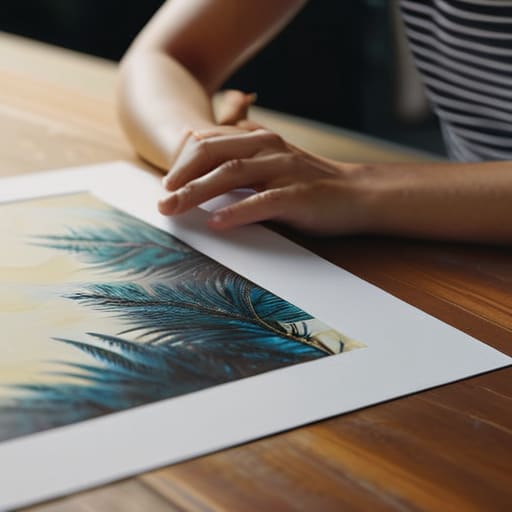
If you walk into a high-end gallery and see a print for three hundred pounds, you’d be forgiven for assuming it’s a masterpiece of reproduction. But here is the reality: you aren’t just paying for the image; you are paying for the method. When we talk about giclée vs offset printing, we are really talking about the difference between a soulful reproduction and a commercial commodity. A giclée uses archival pigment inks and high-grade sprays that mimic the depth of an original painting. Offset, on the other hand, is the workhorse of the poster industry—fast, cheap, and ultimately quite shallow.
If you are looking at limited edition art prints as a way to build a collection, you must demand to know the specs. I don’t care how beautiful the colors look under the gallery lights; if they aren’t printed on heavy, acid-free fine art paper, they are destined to yellow and fade before you’ve even finished your first mortgage. A real collector looks for that certificate of authenticity to verify the edition number and the printing method. If the seller can’t tell you exactly how it was made, they are likely just selling you a very expensive photocopy.
Fine Art Paper Quality What You Are Actually Paying for
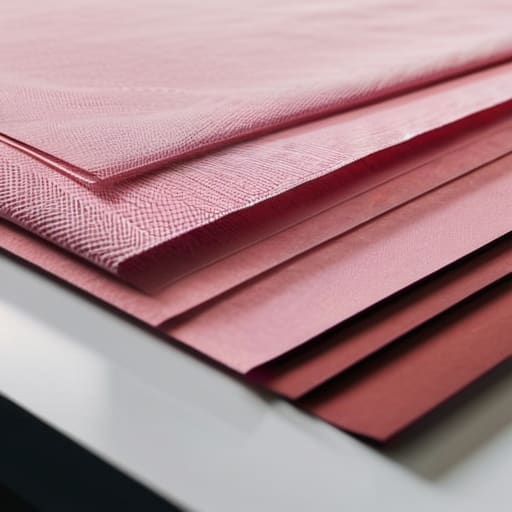
If you’re looking at a print and the price seems suspiciously low, stop looking at the image and start looking at the weight of the paper. I’ve seen too many young collectors walk away from a piece because it felt “flimsy,” only to realize later they’ve bought something that will buckle under its own weight in three years. When we talk about fine art paper quality, we aren’t just discussing texture; we are discussing longevity. Acid-free, archival-grade cotton rag is the industry standard for a reason. It holds the ink without it bleeding or fading into a muddy mess, and more importantly, it survives the humidity and light of a real home.
Don’t let a glossy finish fool you into thinking you’ve found a bargain. Often, that sheen is just a way to mask inferior, wood-pulp paper that will yellow the moment it hits the sunlight. If you are serious about collecting signed prints, you must ask the seller about the GSM (grams per square meter) and the acid content. If they can’t tell you, they aren’t selling you art; they are selling you a high-end flyer.
The Collector’s Litmus Test
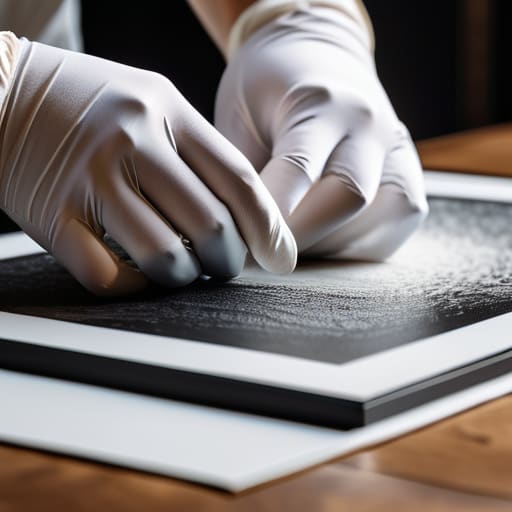
Don’t mistake a high price tag for high fidelity; if the salesperson can’t tell you the weight of the paper or the specific ink process used, you aren’t buying a piece of art, you’re just subsidizing their expensive rent.
Vivienne Ashworth-Pryce
The Bottom Line on Your Print Collection
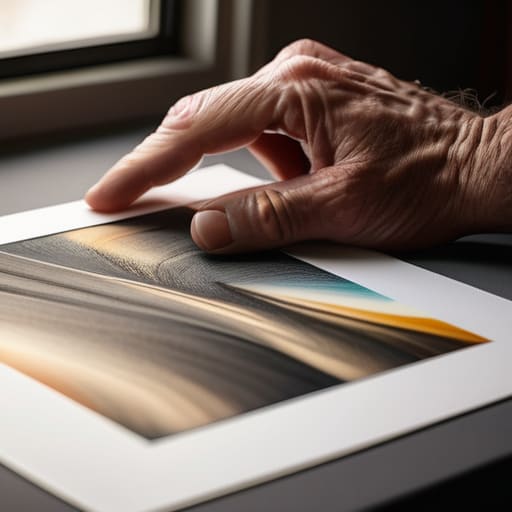
At the end of the day, buying a print isn’t about being cheated; it’s about knowing exactly what the transaction entails. We’ve looked at the technicalities—the difference between a high-end Giclée and a cheap offset run, and why that heavy, acid-free paper matters more than the marketing fluff on the box. If you understand the mechanics of the medium and the quality of the substrate, you stop being a passive consumer and start becoming an informed collector. Don’t let a glossy brochure distract you from the physical reality of the object in your hands. You are looking for longevity and technical integrity, not just a way to fill a blank wall with something that looks vaguely expensive.
My final bit of advice is this: never let the fear of “overpaying” stop you from acquiring a piece that genuinely moves you. There is a massive difference between paying a premium for a mediocre product and investing in a beautiful reproduction that allows you to own a fragment of an artist’s vision. If the paper is right and the ink is archival, the price is often just the cost of entry into a much larger conversation. Buy the work that speaks to you, but do your homework first so that when you hang it up, you aren’t just staring at a piece of paper—you’re staring at a smart investment in your own aesthetic joy.
Frequently Asked Questions
If the paper and the ink are high quality, why does the price still vary so wildly between two different artists selling similar prints?
Oil on heavy rag paper, 12×16, 2024. It’s a fair question, but you’re looking at the ingredients instead of the recipe. If the paper and ink are identical, the price difference isn’t in the materials; it’s in the brand. You aren’t just paying for the pigment; you’re paying for the artist’s reputation, their exhibition history, and the scarcity they’ve engineered. One print is a souvenir; the other is an entry point into a career.
Is there a way to tell if a "limited edition" print is actually limited, or is the artist just using the term to manufacture artificial scarcity?
Oil on paper, 12×16, 2024. I’ve seen it a thousand times. If there is no signed certificate of authenticity or a clearly stated edition number (e.g., 4/50) on the print or its documentation, it isn’t a limited edition; it’s just a marketing tactic. A true edition is a contract. If the artist hasn’t committed to a specific number in writing, they can print more tomorrow, and your “rare” find just became a common commodity.
At what point does a print stop being a collectible investment and start being nothing more than expensive wall decor?
Oil on canvas, 30×40, 2024. I like it, but let’s talk reality. A print stops being an investment the moment the edition size becomes unmanageable or the artist loses control of the secondary market. If you’re buying number 450 of 500, you aren’t collecting; you’re decorating. Real collectible prints—limited runs, signed, and strictly controlled—retain value because scarcity is manufactured. Once that scarcity evaporates, you’re just left with a very expensive way to cover a hole in the wall.
