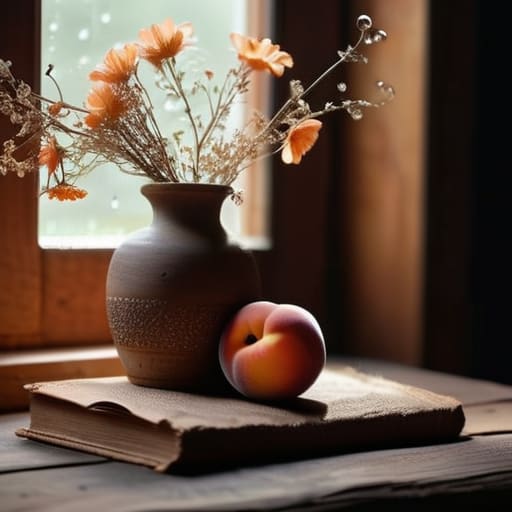

If you search for a “complete guide to still life” online, you’ll be met with a tidal wave of academic nonsense about “the spiritual essence of the object” or expensive, high-end lighting setups that would make a cinematographer weep. I spent twenty-six years watching young artists fall into the same trap: they think that if they can just master the perfect chiaroscuro or find the most expensive linen canvas, they’ll suddenly have something worth selling. They treat a bowl of lemons like a sacred relic instead of what it actually is—a compositional problem that needs to be solved for a buyer.
I’m not here to teach you how to romanticize a rotting peach; I’m here to tell you how to make a viewer actually stop walking in front of your canvas. This isn’t a textbook; it’s a breakdown of what works in a real room, from the structural logic of your arrangement to the reason why your color palette might be making your work look cheap. I’ll give you the practical, unvarnished truth about creating still lifes that don’t just sit there, but actually command the price tag you’re aiming for.
Mastering Shadows and Highlights to Command Attention
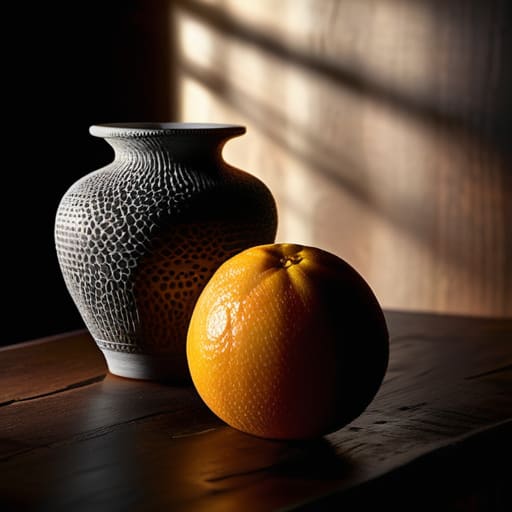
Most artists treat light like a polite suggestion, but in a serious still life, light is the conductor of the entire orchestra. If you aren’t intentional about where your light hits, you aren’t painting a subject; you’re just documenting a pile of things. When I was running the gallery, I could tell within three seconds if a piece had “presence” or if it was just flat. That presence usually came down to how the artist handled mastering shadows and highlights. You have to stop thinking about “shading” as a way to make things dark and start seeing it as a way to carve volume out of nothingness.
Don’t get bogged down in the technicalities of a complex studio setup for painters just yet. Instead, focus on the drama. A single, directional light source creates the kind of high-contrast tension that actually stops a collector in their tracks. You want to use light to guide the eye through your composition, using those deep, velvety shadows to push the viewer toward the brilliant, sharp highlights. It’s about creating a visual hierarchy—telling the person looking at the canvas exactly where to land and where to linger.
Composition Techniques for Artists Who Demand Value

Most artists approach composition as if they are arranging a pretty scene for a social media feed, but if you want to command a premium price, you need to stop arranging and start architecting. A collector isn’t just buying a depiction of a lemon and a carafe; they are buying the way your eye moves across the canvas. If your arrangement feels static or “accidental,” it looks amateur. You need to use intentional composition techniques for artists—like the rule of thirds or unexpected diagonals—to create a visual tension that keeps a viewer from walking away.
Don’t fall into the trap of centering everything like a schoolchild. A centered, symmetrical still life often feels dead on the page. Instead, I always tell my artists to think about the weight of their objects. If you have a heavy, dark ceramic bowl on the left, you need something—perhaps a sliver of light or a delicate glass stem—to balance that visual gravity on the right. When you master the relationship between drawing objects and textures, you move from mere representation into the realm of high-value fine art.
The Commodity of the Mundane
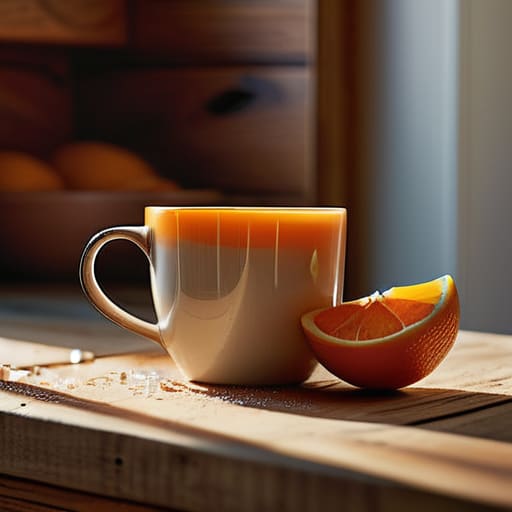
A still life isn’t a technical exercise in rendering a grape or a linen cloth; it is an exercise in making the static feel essential. If you can’t convince a collector that a discarded bowl of fruit holds more tension than a sprawling landscape, you aren’t painting objects—you’re just documenting clutter.
Vivienne Ashworth-Pryce
Beyond the Fruit Bowl
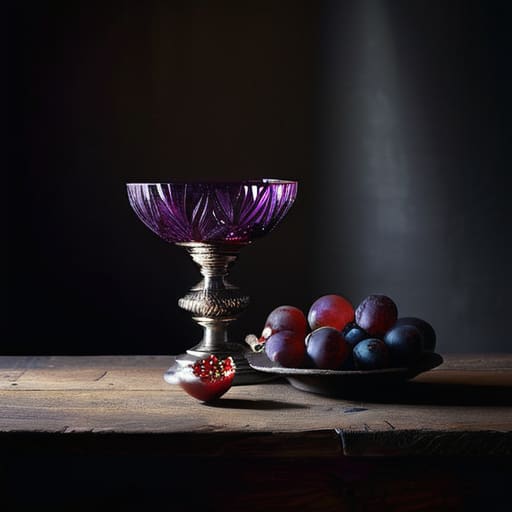
At the end of the day, a successful still life isn’t about whether you’ve perfectly rendered the texture of a grape or the sheen of a silver goblet. It’s about whether you’ve used shadow, light, and composition to create something that actually commands a room. We’ve covered the technicalities—how to manipulate highlights to draw the eye and how to arrange your subjects so they don’t just sit there, but actually tell a story. If you can master these elements, you move from being someone who simply “paints things” to an artist who understands how to manipulate visual weight to create value. Remember, a collector isn’t paying for a photographic reproduction; they are paying for your specific, intentional way of seeing the world.
Don’t let the technical hurdles intimidate you into playing it safe. The biggest mistake I see young artists make is being so afraid of a “wrong” composition that they end up producing work that is utterly forgettable. Still life is your laboratory; it is where you learn the fundamental mechanics of how light behaves and how objects interact within a frame. Use this genre to build your muscles, but never lose sight of the emotional intent behind the arrangement. Once you can make a simple arrangement of stones and linen feel as heavy and significant as a historical portrait, you’ll realize you haven’t just mastered a subject—you’ve mastered the art of making people look.
Frequently Asked Questions
I’ve mastered the technical side, but how do I price a series of still lifes so they don't look like amateur decorative studies?
Oil on canvas, 24×30, 2024. I like the way you’ve finally stopped obsessing over the anatomy of an apple and started looking at the weight of the light.
How much of the "story" in a still life actually matters to a collector versus just getting the lighting right?
Oil on canvas, 40cm x 50cm, 2024. I like it, but let’s be honest: a collector isn’t buying your autobiography through a bowl of lemons. They are buying an atmosphere. If the lighting is amateur, the “story” feels like a lie. However, if the lighting is perfect but the subject is vapid, they’ll feel cheated. Get the light right to hook their eye, but give them a narrative tension that makes the piece feel inevitable.
When should I stop obsessing over the hyper-realistic details and start focusing on the composition that actually sells?
Oil on canvas, 24×30, 2024. I love the technical precision, but here is the hard truth: stop. You aren’t a camera, and collectors aren’t buying a high-resolution scan; they are buying a vision. If you spend six months perfecting the texture of a grape while the overall structure of the painting feels limp, you’ve wasted your time. Precision without purpose is just expensive hobbyism. Sell the arrangement, not the individual pores on an apple.
