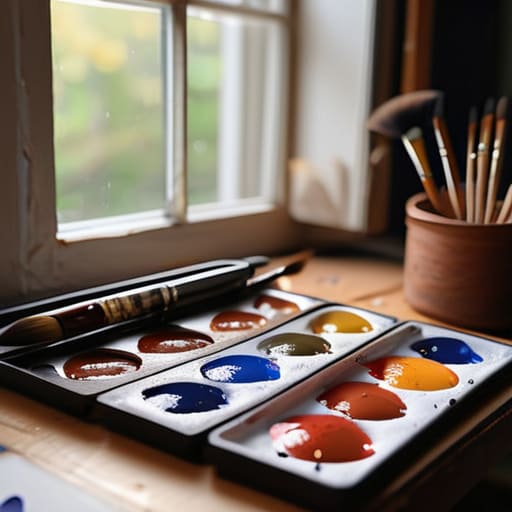

I remember sitting in my back office during a particularly brutal winter in 2004, staring at a stack of invoices for professional-grade pigments that cost more than my first car. A young landscape painter—lovely soul, terrible business sense—was convinced that if he didn’t buy the most expensive cobalt blue on the market, his work would be fundamentally unmarketable. He was chasing a ghost. Most people will try to sell you a “complete guide to art materials” that reads like a luxury shopping catalog, promising that your talent is locked behind a paywall of premium tubes and designer brushes. They want you to believe that the gear makes the artist, but after twenty-six years in the trenches, I know that expensive doesn’t always mean excellent, and cheap certainly doesn’t always mean professional.
I’m not here to sell you a lifestyle or a brand of sable brush. My goal is to strip away the marketing fluff and give you a blunt, experience-based breakdown of what actually matters when you’re building your toolkit. We are going to talk about where you can afford to be frugal and exactly where cutting corners will result in a piece that falls apart the moment a collector tries to hang it. This is the truth about your overhead, your quality, and your bottom line.
Professional Grade vs Student Grade Paying for Pigment or Prestige

Here is the truth that most art schools won’t tell you: buying student-grade paint is often just a slow way of subsidizing your own future heartbreak. I have seen too many artists spend three years building a reputation, only to have their entire body of work turn a sickly, chalky grey within a decade because they were budgeting for art supplies instead of investing in longevity. When you choose student grade, you aren’t just saving money; you are actively sacrificing pigment concentration and lightfastness. You’re essentially selling your collectors a ticking time bomb disguised as a masterpiece.
The difference between professional grade vs student grade isn’t just marketing fluff or fancy packaging; it is a fundamental matter of chemistry. Professional tubes are packed with pure, stable pigments, whereas the student versions are heavily diluted with fillers and cheap binders to pad the volume. If you want to command a serious price at a gallery, you have to stop treating your materials like a hobbyist. If you can’t afford the top-tier oils or acrylics yet, then buy fewer tubes of the good stuff rather than a mountain of the cheap stuff. Quality over quantity isn’t a cliché here—it is your professional survival strategy.
The Truth About Pigment Concentration and Lightfastness
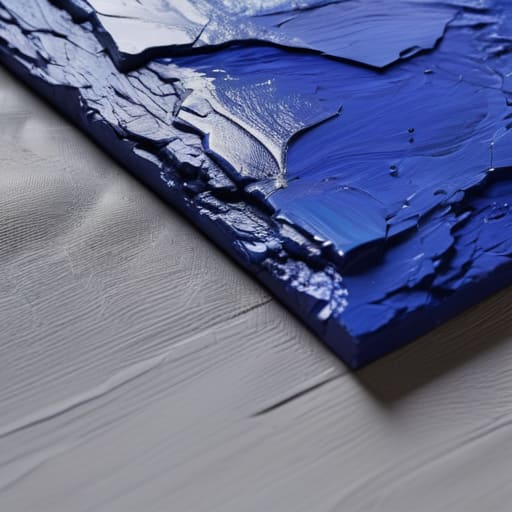
Let’s get one thing straight: a collector isn’t just buying your vision; they are buying a promise that the painting won’t turn into a muddy, faded ghost in five years. This is where the conversation about pigment concentration and lightfastness becomes a matter of professional survival rather than mere technicality. When I was running my gallery, I had more than one heartbreaking conversation with a buyer who realized their “investment” had shifted from a vibrant ultramarine to a sickly grey because the artist decided to save a few pounds on tubes.
If you are budgeting for art supplies, do not attempt to cut corners here. Student-grade paints often rely on fillers and weaker dyes that lack the structural integrity of true pigments. You might find the initial cost tempting, but you are essentially sabotaging your own art tool durability and archival quality. If you want to sell work that holds its value—and more importantly, keeps your reputation intact—you have to use materials that can stand the test of time. In this business, your integrity is only as good as the permanence of your palette.
The Hidden Cost of Cheap Pigment
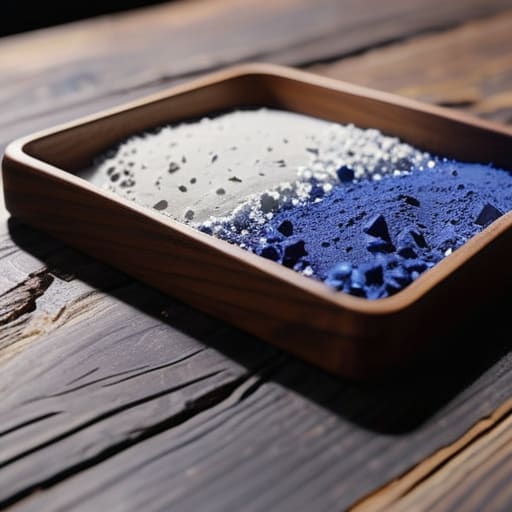
If you’re planning to sell your work for four figures, stop treating your materials like a hobbyist’s grocery list; a collector isn’t just buying your vision, they are buying the physical permanence of that vision, and nothing kills a secondary market faster than a painting that begins to fade before the varnish has even set.
Vivienne Ashworth-Pryce
The Bottom Line on Your Toolkit

At the end of the day, understanding your materials isn’t about being a snob; it’s about protecting your investment and your reputation. You’ve learned that the difference between student-grade filler and professional-grade pigment isn’t just a matter of “feel”—it’s the difference between a painting that holds its value for a collector and one that fades into a muddy mess within five years. If you are going to charge premium prices, you cannot afford to be using substandard supplies that undermine your technical skill. Stop viewing your materials as a mere expense to be minimized and start seeing them as the foundational infrastructure of your professional practice.
I spent decades watching artists struggle to justify their prices because their work simply didn’t have the structural integrity to command them. Don’t let that be you. Use the best you can afford, understand the chemistry of what is under your brush, and treat your supplies with the respect a professional deserves. The goal isn’t to own the most expensive kit in the studio, but to ensure that every stroke you make is built to last. When you finally stand in a gallery and see your work hanging on a white wall, you want to know—without a shadow of a doubt—that it is as permanent as your ambition.
Frequently Asked Questions
If I'm working on a tight budget, is there a specific way to mix student-grade and professional-grade materials without ruining the integrity of the final piece?
Oil on canvas, 24×36, 2024. It’s a sensible question, and one I’ve heard from many a talented painter staring at a dwindling bank balance. Here is the rule: spend your money where the light hits. Use professional-grade pigments for your top layers and your most critical color transitions. You can get away with student-grade for your underpaintings or large, blocked-in areas. Just don’t mix a cheap, chalky white into a high-end cadmium; you’ll kill the luminosity and the collector will see right through it.
How much of my material cost should I actually be factoring into my retail price, and am I overcharging or undercharging my collectors for the "quality" of my supplies?
Oil on linen, 36×48, 2024. It’s a fair question, and most artists get it backwards. You aren’t selling a receipt for your supplies; you’re selling a finished vision. Don’t try to build a mathematical formula based on your tube costs, or you’ll end up underpricing yourself into poverty. Factor in your materials as a percentage of your overhead, but price based on your time and market position. If you’re charging extra because you used “expensive” cobalt, you’re thinking like a shopkeeper, not an artist.
When a gallery asks for a "material list" or a "provenance of media" for an exhibition, what are they actually looking for, and why does it matter for the resale value?
They aren’t looking for a shopping list; they’re looking for a risk assessment. When a collector pays five figures, they want to know the work won’t fade into a muddy mess in a decade. A “provenance of media” proves you aren’t using fugitive dyes or cheap acrylics that crack under pressure. If you can’t vouch for the stability of your materials, you aren’t selling art—you’re selling a liability. Professionalism starts with the chemistry.
