

I remember sitting in my back office in 2004, staring at a ledger and realizing that a lovely young landscape painter had just handed me fifty percent of her hard-earned commission just to cover the cost of my electricity and a few glasses of cheap Prosecco. It felt predatory then, and it feels even worse now seeing the “gurus” online telling you that how to sell paintings directly requires a complex, expensive digital marketing funnel or a degree in data analytics. Most of that is absolute rubbish designed to separate you from the little money you have left. You don’t need a sophisticated algorithm to find a buyer; you need a way to talk to people without feeling like a common street hawker.
I am not here to sell you a course on Instagram engagement or a magical software subscription. Instead, I am going to give you the unvarnished truth about what it actually takes to manage your own sales without losing your soul or your margins. We are going to talk about the boring, essential things: how to price your work so you don’t go broke, how to handle the uncomfortable conversation about shipping, and how to build a collector list that actually responds. This is about making a living, not chasing likes.
Mastering E Commerce for Fine Artists Without the Middleman
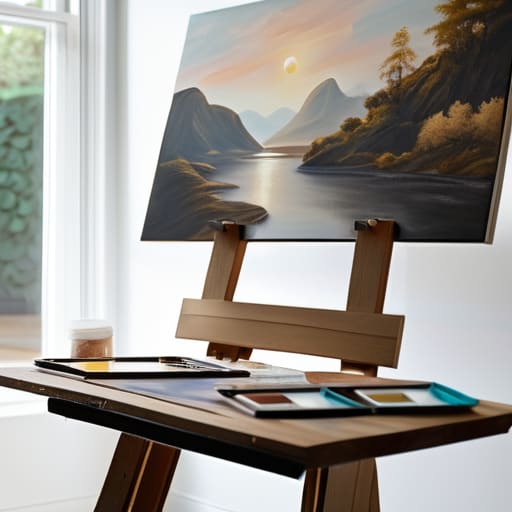
If you’re going to bypass the gallery, you have to stop thinking like a painter and start thinking like a proprietor. Setting up a shop isn’t just about slapping a “Buy Now” button on a website; it’s about creating a digital space that feels as curated as my old gallery walls. Most artists fail at e-commerce for fine artists because their sites look like a cluttered garage sale rather than a professional studio. You need high-resolution imagery that shows the texture of the impasto and the true scale of the piece. If a collector can’t feel the weight of the work through their screen, they aren’t going to part with several thousand pounds.
Furthermore, don’t mistake a massive Instagram following for a business model. Selling art through social media is a wonderful way to get eyes on your process, but it is a fickle way to pay your rent. The real work lies in nurturing collector relationships through an email list—a direct line to people who actually want to buy, not just “like” a photo. You want to move them from a casual scroll to a deliberate purchase by providing the context and provenance that a gallery usually handles.
Pricing Original Artwork Beyond the Gallerys Arbitrary Math
When you step away from the gallery model, you lose the safety net of their “standardized” price lists, which is both terrifying and liberating. In a commercial gallery, the math is often lazy: they take a percentage, add a markup, and hope the local dentist doesn’t look too closely at the receipt. When you are pricing original artwork on your own terms, you have to stop thinking about what a gallery would charge and start thinking about your actual overhead. This isn’t just about the cost of the linen and the pigments; it’s about the time you spent staring at a canvas until three in the morning and the cost of the shipping insurance that keeps your reputation intact.
The danger of the direct route is the temptation to undercut yourself just to move inventory. I see it all the time: an artist realizes they aren’t paying a fifty-percent commission, so they slash their prices by forty percent. Don’t do that. You aren’t just selling a physical object; you are investing in the long-term value of your brand. If you price too low, you aren’t being “accessible”—you are telling the market that your work isn’t worth the investment. Instead, focus on nurturing collector relationships where the value is tied to your trajectory, not just a discount code.
The Myth of the Middleman
Selling directly isn’t about being a ‘solopreneur’ or some digital nomad; it’s about reclaiming the fifty percent that galleries traditionally use to pay for their rent and their champagne, and putting it back into the hands of the person who actually bled for the work.
Vivienne Ashworth-Pryce
The View from the Other Side of the Glass
At the end of the day, selling directly isn’t about being a tech wizard or a marketing guru; it’s about reclaiming the agency that the traditional system so often strips away. We’ve covered the mechanics—from building an e-commerce presence that doesn’t feel like a cheap flea market, to the vital necessity of setting prices that respect your labor rather than deferring to a gallery’s “standard” markup. You now have the tools to manage your own logistics and, more importantly, the clarity to know exactly what your work is worth. Remember, if you are handling the shipping, the digital storefront, and the client relations yourself, you are essentially performing the role of the gallerist, and you deserve to keep every single penny of that margin.
I spent twenty-six years watching brilliant artists walk into my gallery with beautiful work and absolutely zero understanding of their own value. It broke my heart, even when I was the one taking the commission. My hope for you is that you move through this industry with your eyes wide open and your ledger balanced. Selling your own work is a steep learning curve, but it is a much more sustainable way to build a life than waiting for a gatekeeper to grant you permission to exist. Go out there, own your commerce, and treat your practice with the professional rigor it deserves.
Frequently Asked Questions
If I start selling my own work online, how on earth do I stop my existing gallery from feeling betrayed or thinking I'm cutting them out?
Listen, it’s about boundaries, not betrayal. You don’t sneak around; you have a conversation. Tell them clearly: “I am opening an online shop for my smaller, more accessible studies, but your exclusivity remains for my primary series.” If they’re a good gallery, they’ll understand that keeping your price points consistent across both channels is non-negotiable. If they throw a tantrum because you’re selling a $200 sketch online, they weren’t representing your career—they were just managing your inventory.
How do I handle the logistical nightmare of shipping a large-scale canvas without it costing more than the painting itself?
Oil on canvas, 120cm x 150cm, 2024. It’s a nightmare, isn’t it? Listen, stop looking at standard courier rates; they’ll bleed you dry. You need to stop shipping “art” and start shipping “packages.” Invest in heavy-duty, reusable telescopic crates or high-grade double-walled cardboard and corner protectors. For the really big ones, look into specialized fine art shippers rather than FedEx, or better yet, build the crating cost directly into your shipping quote. Never, ever let the client surprise you with the freight bill.
When I'm dealing with a collector directly, how do I know if I'm actually closing a sale or just being talked in circles by someone who's never going to pull the trigger?
Listen, I’ve spent three decades nodding politely at “enthusiasts” who treat my gallery like a free museum. If they aren’t asking about shipping logistics, framing options, or whether a piece is available for immediate collection, they aren’t buying—they’re window shopping. A real collector moves from “I love this” to “How does this work?” very quickly. If the conversation stays stuck in the aesthetic weeds without touching the mechanics of a transaction, stop performing and start pivoting.
