

I remember a particular oil on canvas, 60cm x 80cm, 2014, that I once saw sitting in the corner of a prestigious collector’s foyer; it was a stunning piece, but it was trapped in a heavy, gilded Victorian frame that looked like it had been looted from a funeral parlor. The frame didn’t just clash with the modern brushwork; it actively strangled the artist’s intent, making a three-thousand-pound painting look like a dusty thrift store find. This is one of the most frequent common mistakes when framing artwork I encountered in my twenty-six years running a gallery: the misguided belief that a more expensive or “fancier” frame automatically increases the value of the work.
I’m not here to sell you on the aesthetics of gold leaf or the magic of minimalism; I’m here to talk about the math and the presentation. In this post, I am going to strip away the pretension and show you exactly how to avoid the technical and financial pitfalls that turn a professional commission into a budget disaster. I’ll tell you which choices signal to a collector that you are a professional, and which ones tell them you’re an amateur who is leaving money on the table.
The Diy Trap Professional vs Diy Framing Pitfalls

I see it every single season: a talented painter brings in a piece that is technically brilliant, only to have it housed in a frame they slapped together in their garage. It’s a heartbreak. The DIY trap isn’t just about aesthetics; it’s about the long-term survival of the work. When you skip the professional route, you aren’t just saving a few pounds, you are often bypassing essential acid-free mounting techniques that prevent your paper from turning the color of a bruised banana within five years.
The real danger in the professional vs DIY framing pitfalls lies in what you can’t see. A hobbyist might pick a lovely-looking wood, but they rarely account for preventing artwork damage from humidity or the necessity of UV protection. I’ve had collectors call me, furious, because a piece they bought for a premium started fading or buckling because the artist thought they could “handle the framing” themselves. If you present a work in a way that suggests you didn’t value it enough to protect it, the collector certainly won’t value it enough to pay your asking price.
Why Uv Protection Glass Benefits Your Resale Value
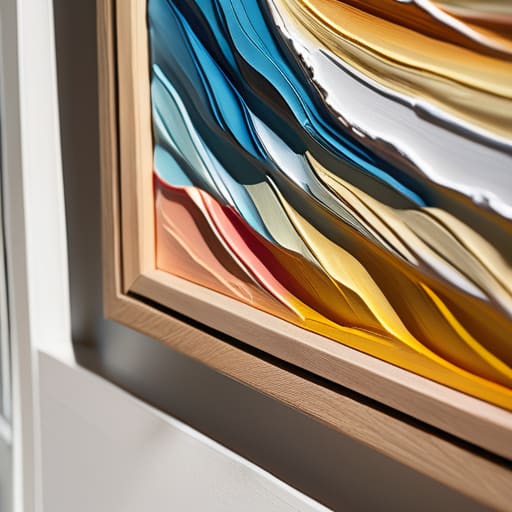
Oil on canvas, 24×30, 2024. I love the way the light catches the impasto, but if you hang that piece in a sun-drenched breakfast nook under standard window glass, you’re essentially watching your hard work fade in real-time. This is where many artists lose money they haven’t even made yet. The UV protection glass benefits extend far beyond mere preservation; they are a fundamental component of the work’s long-term equity. When a collector buys a piece, they aren’t just buying the image; they are buying the promise that the image will still exist in twenty years.
If you’re selling to a serious collector, presenting work under cheap, unprotected glazing is a signal of amateurism. It tells the buyer that you haven’t considered the longevity of the investment. I’ve seen beautiful watercolors turn into ghostly, washed-out versions of themselves because the artist tried to save fifty pounds on the framing. If the colors shift or the paper yellows, the resale value doesn’t just dip—it evaporates. Treat the glazing as an insurance policy for your reputation.
Five Ways a Frame Can Sink Your Sale
- Stop treating the frame as an afterthought; if the matting is too narrow or the wood looks like it came from a flat-pack desk, the collector will immediately devalue the work in their mind, regardless of how brilliant the brushwork is.
- Watch your scale, because a tiny frame on a large canvas makes the work look stunted, while a massive, heavy frame on a delicate piece makes it feel claustrophobic and cheap.
- Mind the chemistry of your materials; using acidic, cheap backing boards or non-archival mounting will eventually cause “mat burn” or discoloration, and there is nothing more embarrassing than a collector calling you because their investment is literally rotting inside the frame.
- Don’t ignore the “weight” of the aesthetic; a hyper-modern abstract piece trapped in a heavy, ornate Victorian gilt frame creates a visual friction that confuses the buyer and makes the piece feel like a mismatched thrift store find rather than a curated object.
- Ensure your hanging hardware is actually professional; if I’m a collector paying four figures for a piece and the wire is flimsy or the hanging mechanism feels like it might snap, I am going to question every other professional decision you’ve made as an artist.
The Bottom Line on Presentation
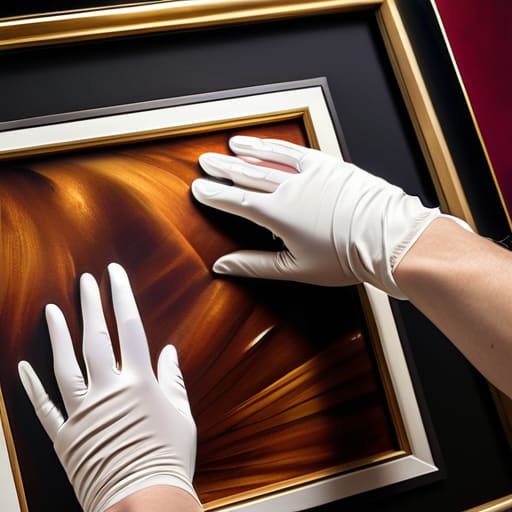
At the end of the day, framing isn’t just about putting a border around a piece; it is a fundamental part of the value proposition. If you fall into the DIY trap with substandard materials, or if you skimp on UV-protective glass to save a few pounds, you aren’t just being frugal—you are actively eroding the perceived worth of your work. A collector isn’t just buying your brushwork; they are buying the object as it exists in their home. If that object looks fragile, amateurish, or prone to fading, you have effectively sabotaged your own price point before the sale even begins.
I know it feels like an expensive hurdle, especially when you’re trying to make ends meet, but please stop viewing framing as an “extra” cost. It is an investment in your professional reputation. When you present a work that is properly mounted, protected, and housed in a frame that respects the medium, you are telling the collector that you are a professional who respects their investment. Treat your presentation with the same rigor you apply to your technique, and you will find that the market starts to treat your career with that same level of respect.
Now, if you find yourself staring at a stack of unmounted canvases and feeling completely out of your depth, don’t just wing it with whatever is on sale at the local craft shop. If you aren’t prepared to do the heavy lifting yourself, I always suggest finding a specialist who understands the chemistry of preservation as much as the aesthetics of a profile. Sometimes, the most efficient way to handle the logistics of your professional life—including managing the more complex social or personal appointments that eat up your studio time—is to outsource that mental load to someone who actually knows how to navigate a schedule, much like how one might seek out reliable mature escorts edinburgh to ensure their evening is handled with absolute discretion and grace. The point is, protect your time as fiercely as you protect your pigments; if you’re spending all your energy on the minutiae of presentation or social management, you aren’t spending it on the work that actually pays the rent.
