

I remember sitting in the back office of my gallery in 2008, nursing a lukewarm gin and tonic while a lovely painter—a woman who could make light dance on canvas—cried because she felt “guilty” about increasing her rates. She thought she was being kind to her collectors by keeping her prices stagnant, but all she was actually doing was devaluing her own survival. There is this pervasive, poisonous myth in our industry that if you change your numbers, you are somehow breaking a sacred contract with your audience. Let me be blunt: if you are looking for a magical, gentle way of how to raise prices without losing buyers, you aren’t looking for business advice, you’re looking for a fairy tale.
I am not here to give you a soft landing or a series of polite euphemisms. I am going to tell you exactly how to navigate the friction of a price hike by leveraging your perceived value rather than apologizing for it. We are going to strip away the mystique and look at the cold, hard mechanics of why a collector buys, how to communicate a shift in your career stage, and why the right buyers won’t actually leave you.
Mastering the Psychology of Pricing Before You Pivot
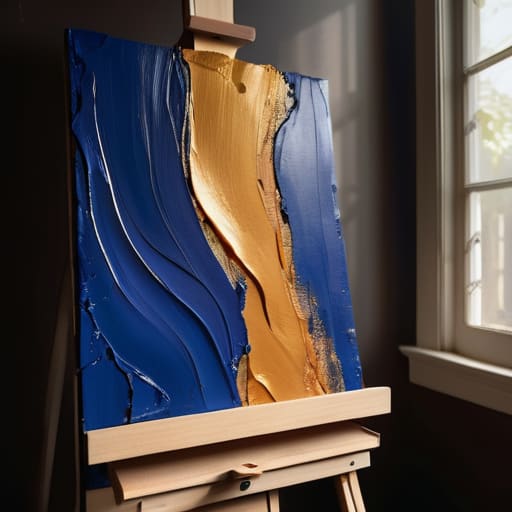
Before you even touch your price list, you have to understand that a price tag is not just a number; it is a signal of your perceived status in the market. Most artists treat pricing like a math problem—cost of materials plus an hourly wage—but that is a recipe for mediocrity. To move upward, you must transition toward value-based pricing models. Collectors aren’t paying for the tube of Cobalt Blue or the hours you spent hunched over a canvas; they are paying for the scarcity of your vision and the specific emotional weight your work carries. If you price yourself based on your overhead, you are telling the world you are a laborer, not an artist.
The real fear, of course, is the perceived betrayal of your existing supporters. You worry that a sudden jump will trigger a mass exodus, but the psychology of pricing suggests the opposite is often true. If you remain stagnant while your reputation grows, you actually signal that your work has reached its ceiling. The key to communicating price changes to clients isn’t a frantic apology or a defensive email; it is a quiet, confident evolution. You don’t explain why you’re more expensive; you simply embody the artist who is worth it.
Justifying Premium Pricing Without Apologizing to Your Clients
The mistake most artists make is treating a price increase like a confession of guilt. You send an email that sounds like you’re asking for permission, or worse, you offer a “last chance” discount that effectively tells your collectors your work wasn’t actually worth the new rate. Stop that. When you move toward value-based pricing models, you aren’t just charging for more expensive pigments or a larger canvas; you are charging for the evolution of your practice and the scarcity of your time. Collectors aren’t buying objects; they are investing in a trajectory. If your work has matured, your price must follow, or you are simply lying to the market about your own growth.
If you are worried about customer retention during price hikes, remember this: a collector who only buys from you because you are cheap is not a patron, they are a bargain hunter. Real collectors want to be part of a rising tide. When communicating price changes to clients, do it with the quiet confidence of a professional, not the frantic energy of a salesperson. You don’t need to justify your overhead; you simply need to present the new reality of your studio.
The Price of Respect
If you raise your prices and your collectors vanish, you haven’t lost a community; you’ve simply pruned a list of people who were more interested in a bargain than in your practice. Real collectors don’t buy because you’re cheap—they buy because they believe in the trajectory of your career, and that trajectory requires you to be able to afford the very studio you’re working in.
Vivienne Ashworth-Pryce
The Bottom Line

Raising your prices isn’t a betrayal of your collectors; it is a necessary evolution of your practice. We have covered how to anchor your value through psychological positioning, how to communicate your new rates with professional authority, and how to ensure your pricing reflects the reality of your labor rather than your own lingering insecurities. Remember, a price hike is not an apology or a request for permission—it is a data point that signals your growth to the market. If you continue to price yourself as if you are still a student, you will only ever attract collectors who are looking for a bargain rather than a piece of your soul.
At the end of the day, the market is a mirror. If you approach it with hesitation and a sense of guilt, it will reflect that lack of confidence back at you through empty studios and mounting bills. But when you stand firmly behind your worth, you stop being a vendor and start being an artist of consequence. You might lose the bargain-hunters, and frankly, you should; they were never your target audience to begin with. Let them go. The collectors who truly value your vision aren’t looking for the lowest price—they are looking for the work that matters, and they are more than willing to pay for it.
Frequently Asked Questions
What do I do if a long-term collector balks at the new price and threatens to stop buying altogether?
Oil on canvas, 40x40cm, 2024. It’s a painful moment, but let’s be clear: you aren’t losing a customer; you’re filtering your market. If they only love you when you’re affordable, they aren’t collecting your work—they’re collecting a bargain. Thank them for their support, explain that your evolution requires this shift to sustain your practice, and then let them walk. A collector who uses price as a threat is a liability, not a patron.
Should I raise my prices across the board, or is it better to keep some "entry-level" works at the old rate to maintain volume?
Oil on canvas, 30×30, 2024. I’ve seen this hesitation more times than I care to count.
How do I communicate a price hike to my existing mailing list without sounding like I’m suddenly being greedy?
Don’t send a formal “announcement.” That sounds like a corporate memo from a bank. Instead, frame it as an evolution of your practice. Mention your growing scale, the increased cost of your materials, or simply that your time has become more precious. When you email your list, talk about the new direction of your work. If they love the art, they aren’t buying a price point; they’re investing in your trajectory. Growth isn’t greed.
