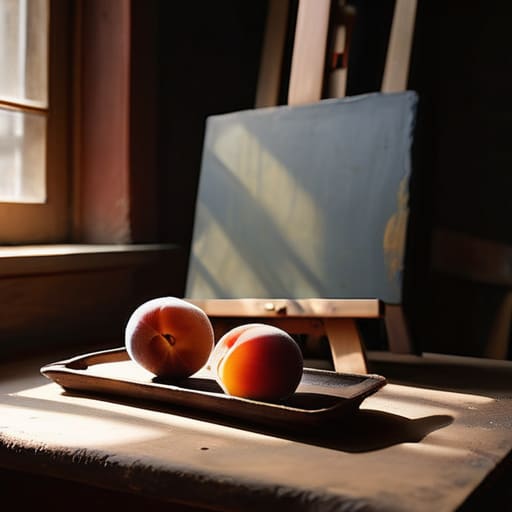

Most art students think that learning how to paint still life is about mastering the physics of light or the precise geometry of a porcelain bowl, but they couldn’t be more wrong. I spent twenty-six years watching collectors walk past technically “perfect” fruit studies because the paintings lacked soul—they were merely exercises in mimicry rather than compositions with intent. You can spend a decade perfecting your ability to render a grape, but if you don’t understand how to direct a viewer’s eye through a scene, you aren’t making art; you’re just documenting groceries.
In this guide, I’m stripping away the academic fluff to show you the commercial reality of the genre. We aren’t just going to talk about shadows; we are going to discuss how to build a composition that actually commands a premium price in a gallery setting. I will walk you through the structural foundations of a successful setup, the psychological impact of color temperature, and the specific mistakes that turn a promising canvas into expensive wallpaper. This is about moving beyond the technicality of how to paint still life and starting to paint work that people actually want to own.
Guide Overview
Tools & Supplies
- Brushes set of various sizes for detail and blending
- Palette for mixing colors
- Easel to hold the canvas at eye level
- Acrylic or oil paints 1 set of primary and earth tones
- Canvas or heavy paper 1 piece
- Water jar or solvent 1 container
- Paper towels 1 roll
Step-by-Step Instructions
- 1. Stop looking at the objects and start looking at the relationships between them. Before you even touch a brush, you need to map out the composition. Don’t just throw a bowl of fruit on a table and hope for the best; you are looking for the structural integrity of the arrangement. I’ve seen countless technically proficient paintings that fail to sell simply because the composition felt unstable or accidental. Use a charcoal stick to find your basic shapes and ensure the negative space is working just as hard as the subject matter.
- 2. Control your light, or the light will control you. If you are painting under a standard overhead bulb, you are wasting your time. You need a single, directional light source—a desk lamp or a window—to create the dramatic shadows that give an object its weight. A still life without a clear light source is just a collection of shapes floating in a grey void, and collectors aren’t looking to buy a void; they are looking for form and presence.
- 3. Lay down a “dead color” or an underpainting to kill the white of the canvas immediately. I always tell my artists: never start with detail. Start with the big, messy values. Use a neutral tone to establish where the light hits and where the deep shadows fall. If you can’t make the painting look convincing in monochrome, all the expensive cadmium red in the world won’t save your final piece from looking amateurish.
- 4. Approach your color with a healthy dose of skepticism. Beginners often make the mistake of using the “literal” color—painting a lemon yellow for a lemon. That is a recipe for a flat, lifeless painting. Instead, look for the temperature shifts. Is the shadow of that lemon a cool violet or a warm ochre? If you don’t master the interplay of warm and cool, your work will lack the chromatic depth that separates a hobbyist from a professional.
- 5. Build your layers with intention, moving from the broad to the specific. This is where many artists lose their way by getting “fussy” too early. You must establish the mid-tones and the large masses of color before you even think about the texture of a grape skin or the glint on a silver spoon. If you spend three hours on a highlight before the underlying structure is solid, you are merely decorating a mistake.
- 6. Finally, learn when to stop. There is a specific point in every painting where it reaches its maximum potential, and if you push past it, you will smother the energy out of the work. I spent decades watching artists overwork their canvases until they looked muddy and exhausted. Step back, look at the piece from across the room, and ask yourself if it still has its “spark.” If the light is still dancing, leave it alone.
Mastering Compositional Balance in Art to Command Attention
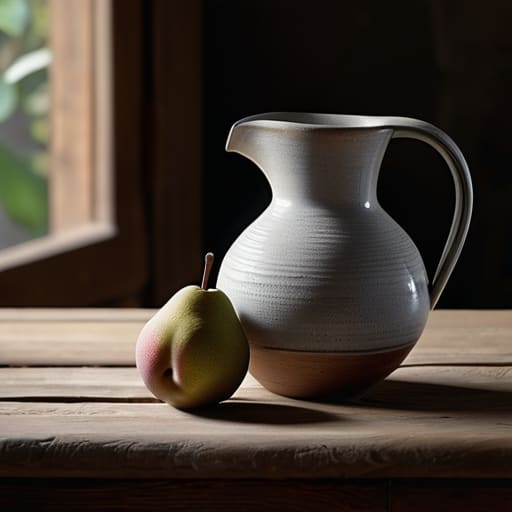
Stop thinking about your arrangement as a collection of objects and start seeing it as a series of weights. When I was running my gallery, I could tell within three seconds if a painting was “dead” on the wall, and usually, it was because the artist had failed at compositional balance in art. They’d place a heavy, dark pitcher dead center and leave the rest of the canvas gasping for air. You want to lead the eye, not trap it. Use your objects to create a visual path—a lean of a pear here, a shadow stretching there—that keeps the collector’s gaze moving across the surface.
Don’t mistake a cluttered table for a complex one. A common mistake I saw in my younger artists was a total lack of restraint; they thought more stuff meant more value. In reality, true mastery comes from how you use value and shading techniques to create depth without the visual noise. If everything is fighting for attention, nothing wins. You need a clear hierarchy. Decide what the hero of the piece is, and let everything else serve that one focal point. If the composition is solid, the price tag follows; if it’s messy, you’re just selling a crowded cupboard.
Why Value and Shading Techniques Dictate Your Market Price
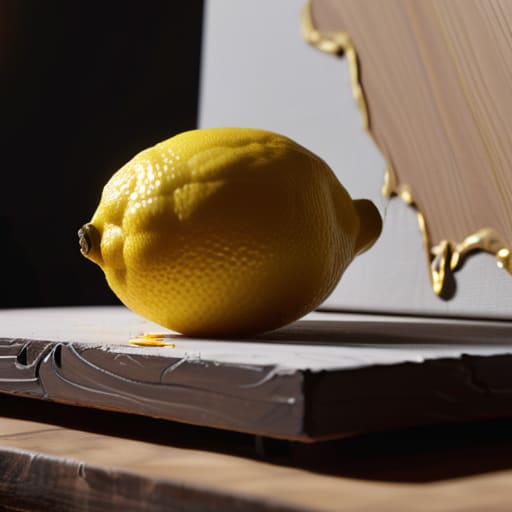
Oil on canvas, 40cm x 50cm, 2024. I don’t care if the subject matter is a dusty bowl of lemons or a pile of vintage silk; if your values are muddy, your price point will be too. Collectors don’t just buy a depiction of an object; they buy the illusion of weight and presence. This is where most artists stumble. They focus so much on the “what” that they neglect the “how.” If you haven’t mastered value and shading techniques, your work will look flat, and flat work is notoriously difficult to sell for anything beyond the bargain bin. A painting that lacks a clear range from deep shadow to bright highlight feels decorative rather than dimensional.
In my years in the gallery, I noticed that the pieces that commanded the highest premiums were those where the artist demonstrated superior observational drawing skills through light. You aren’t just painting a grape; you are painting the way light bends around its skin. When you get the values right, you create a sense of tangible reality that justifies a professional price tag. If your work looks like a student exercise because the lighting is timid, don’t be surprised when collectors treat it like one.
The Still Life Delusion
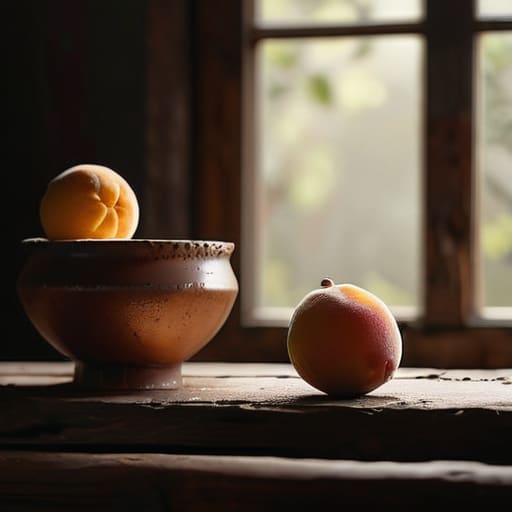
Stop treating a bowl of fruit like a botanical exercise; a collector isn’t paying for your ability to render a grape, they are paying for the way you command the light and the tension you create between the objects on the table.
Vivienne Ashworth-Pryce
Beyond the Easel
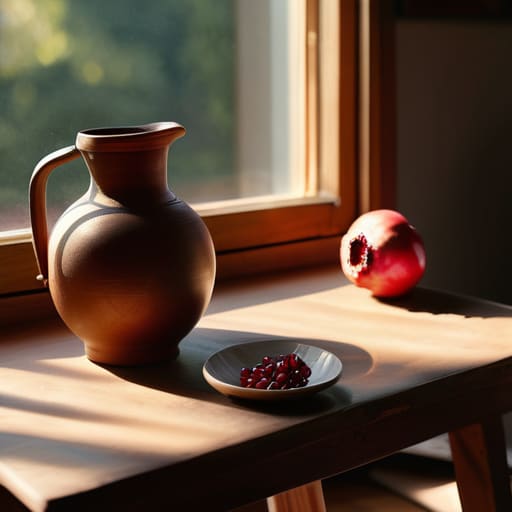
At the end of the day, a successful still life isn’t just a technical exercise in replicating reality; it is a calculated marriage of composition, light, and value. We have discussed how to arrange your subjects to guide the eye, how to use light to create depth, and—most crucially—how those technical choices directly impact your perceived market value. If your shading is muddy or your composition feels accidental, a collector isn’t going to see a masterpiece; they are going to see a student’s study. You must move past simply “painting things” and start making intentional decisions that justify the price tag you eventually attach to the frame.
Don’t let the technicalities intimidate you into playing it safe. The goal isn’t to produce a photographic copy of a bowl of fruit, but to capture a specific, resonant moment that makes a buyer stop walking through a gallery door. Use these rules as your foundation, but once you understand the mechanics of light and balance, I want you to find your own voice within them. The artists I remember most fondly from my years in the gallery weren’t the ones with the most perfect spheres, but the ones who used still life as a vehicle for something deeply personal. Now, get back to the studio and make something worth owning.
Frequently Asked Questions
If my still life is technically perfect but feels "stale," how do I inject enough personality into the work to make a collector actually want to live with it?
Oil on canvas, 24×30, 2024. It’s a common trap. You’ve mastered the physics of light, but you’ve forgotten the soul of the subject. A collector isn’t buying a technical manual; they’re buying a mood. Stop trying to replicate reality and start interpreting it. Leave a brushstroke visible, exaggerate a shadow, or tilt that bowl just slightly off-center. If the painting feels “safe,” it’s boring. Give me a bit of your own friction.
How do I decide which specific objects are worth the time of a high-end commission versus what belongs in a study for my own practice?
Oil on canvas, 24×30, 2024. I don’t care if the subject is a bruised peach or a Ming vase; the distinction isn’t in the object, it’s in the intent. A study is where you fail, experiment, and get messy for your own soul. A commission is a professional service. If the client is paying for a specific narrative or a piece of their own history, you bring your best, most disciplined technical rigor to the table.
When I'm transitioning from student exercises to selling work, how do I price a series of still lifes so I'm not underselling my technical skill or overpricing my name?
Oil on canvas, 24×30, 2024. It’s a classic dilemma, and frankly, it’s where most emerging painters trip over their own feet. Stop thinking about your “name”—you don’t have one yet that carries a premium. Instead, price by the square inch or a strict formula based on your materials and time. Consistency is your only currency right now. If one still life is £500 and the next is £1,200, collectors won’t trust your math, and they certainly won’t trust you.
