

I remember sitting in my gallery back in 2004, staring at a stack of twenty-two wildly different oil on canvas works, all roughly 40x40cm, 2004, from a painter who had just “found their voice.” They were all technically brilliant, but they were a mess—a scattergun approach that left me with nothing to pitch to my serious collectors. People will tell you that creativity requires total freedom, but if you want to actually build a career, you need to understand how to work in a series rather than just chasing every fleeting whim that hits you in the studio. Randomness isn’t a strategy; it’s a recipe for exhaustion and a nightmare for anyone trying to sell your work.
I’m not here to give you a lecture on the spiritual importance of repetition or some vague, artsy-fartsy nonsense about “finding your flow.” I am going to tell you exactly how to structure your output so that a collector sees a cohesive vision worth investing in, rather than a collection of expensive accidents. We are going to talk about the logistics of consistency, the economics of a cohesive body of work, and how to ensure your next ten pieces actually serve your bottom line.
Developing a Series Framework That Collectors Actually Value
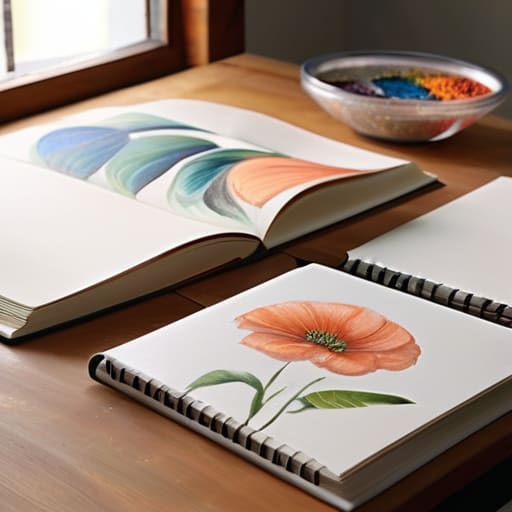
When I was running my gallery, I saw too many artists treat a series like a collection of cousins: they’re related, sure, but they don’t actually look like they belong in the same family. To avoid this, you need to move beyond mere coincidence and start developing a series framework that feels intentional. A collector isn’t just buying a pretty object; they are buying a chapter of a larger story. If your work lacks structural continuity, the buyer feels like they’ve stumbled upon a fragment rather than a piece of a cohesive vision.
The trick isn’t to paint the same thing over and over until you’re sick of it. That’s not a series; that’s a factory line. Real value comes from balancing repetition and novelty. You want a recognizable “visual vocabulary”—perhaps a specific palette, a recurring motif, or a particular way you handle light—that anchors the viewer. This allows you to push the boundaries of the concept without losing the thread. You want them to see the tenth piece and think, “I know exactly where this is coming from, but I have no idea where it’s going next.” That curiosity is what turns a one-time buyer into a long-term patron.
Artistic Sequence Planning to Prevent Market Fatigue
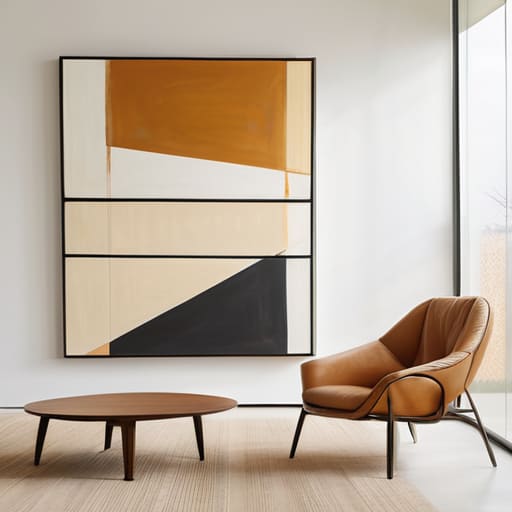
The danger of a series isn’t that you’ll run out of ideas; it’s that you’ll run out of interest. I’ve seen too many artists fall into the trap of producing ten versions of the exact same thing, thinking they are being “consistent,” when in reality they are just being boring. If a collector walks into a gallery and feels like they’ve seen the same painting five times already, they won’t buy the sixth. They’ll simply walk out. You have to master the art of balancing repetition and novelty so that the work feels like it belongs to a family, but doesn’t feel like it was spat out by a machine.
This is where artistic sequence planning becomes your best friend. You need to think about the trajectory of the work before the first brushstroke is even dry. Are you moving from light to dark? From chaos to order? By employing subtle narrative progression techniques, you give the collector a reason to follow your journey. You want them to feel that if they buy piece number three, they aren’t just buying a beautiful object, they are securing a chapter in a larger story that is still unfolding.
## The Myth of the One-Off Masterpiece

“Collectors aren’t looking for a single lightning bolt; they are looking for a conversation. If you give them one beautiful painting and then disappear for two years, you haven’t built a career, you’ve just sold a souvenir. A series is how you prove to a buyer that you aren’t just having a lucky week, but that you actually have a coherent vision worth investing in long-term.”
Vivienne Ashworth-Pryce
The Bottom Line on Cohesion

At the end of the day, working in a series isn’t about being a repetitive machine; it’s about moving from a collection of objects to a coherent body of work. We’ve talked about building a framework that holds weight, planning your sequence so you don’t burn out your audience, and ensuring that each piece serves the larger narrative rather than just filling a gap in your studio. If you can master this, you stop being someone who just happens to make things and start being an artist with a marketable vision. You stop asking collectors to buy a pretty picture and start inviting them to own a chapter of a larger story.
I spent decades watching artists struggle because they treated every canvas like a disconnected event. It’s exhausting for you, and frankly, it’s exhausting for the buyer. When you commit to a series, you are finally giving the market something it can actually digest and value. Don’t be afraid of the discipline it requires; that discipline is exactly what separates a hobbyist from a professional who can actually command a price. Go back to the studio, find the thread that connects your ideas, and pull it tight. That is where the longevity—and the livelihood—actually lives.
Frequently Asked Questions
If I start a series and realize halfway through that the concept is a dud, do I pivot or do I force it to completion to maintain the "narrative"?
Oil on canvas, 30x40cm, 2024. I don’t like the idea of you throwing good energy after bad. If the concept is a dud, kill it. A “narrative” built on a lie is just a collection of mediocre paintings, and collectors can smell desperation through the varnish. Pivot. Document the failure, learn the lesson, and move to the next iteration. Your career is too long to spend it finishing something you don’t believe in.
How do I price the first piece in a series differently from the tenth, or should the price point remain strictly consistent to avoid confusing collectors?
Oil on canvas, 40x50cm, 2024. I like the logic behind your question, but don’t let “consistency” become a trap for stagnation. If the tenth piece is more complex or larger, price it accordingly. However, if you’re building a cohesive series, keeping a tight price bracket helps collectors understand the “entry point” of your vision. Don’t confuse them with erratic jumps, but do ensure your tenth masterpiece isn’t being sold for the same pittance as your first experiment.
At what point does a series become repetitive rather than evolutionary, and how do I know when I'm actually boring my audience?
Oil on canvas, 24×30, 2024. I like it, but I’m worried about your stamina. You’ve crossed the line when the “evolution” feels like a lack of effort. If you’re changing the color palette just to say you changed it, collectors will smell the laziness. When the work stops asking questions and starts merely repeating answers, you’re boring them. If you can’t explain what the next iteration is exploring, you aren’t evolving; you’re just idling.
