

I remember sitting in a drafty studio in 2004, watching a young painter cry because a local gallery owner had just told him his work was “too precious” for the market. The owner hadn’t even looked at the canvas; he was just looking at the artist’s lack of a price list. People love to shroud the industry in this thick, impenetrable fog of mystery, as if knowing how commercial galleries work is some esoteric secret reserved for the elite. It isn’t. It’s just business, and frankly, most of the “mystique” is just a convenient way to keep artists from asking where their money is going.
I am not here to sell you on the glamour of the vernissage or the prestige of a white-walled room. Instead, I’m going to pull back the curtain on the unromantic mechanics of the trade. I will tell you exactly what a gallery is actually doing when they take their cut, how they decide which artists are worth the overhead, and how you can spot a partner versus a parasite. By the time we’re done, you won’t just understand the system—you’ll know how to navigate it without getting fleeced.
The Truth About Art Gallery Sales Commission Rates
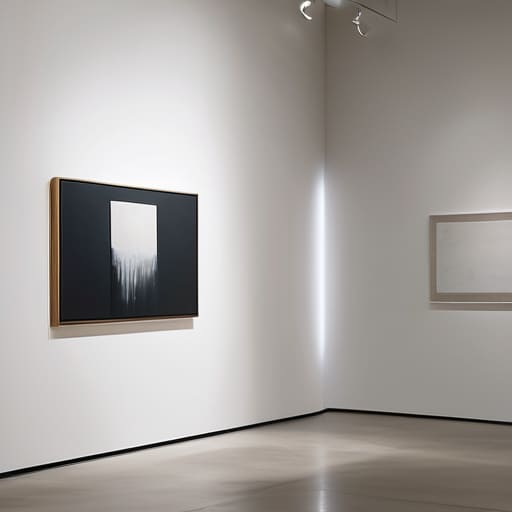
Let’s get the math out of the way first. When you see a price tag on a wall, that number is a calculation, not a suggestion. In the standard fine art dealer business model, the fifty-fifty split is the industry benchmark. It feels like daylight robbery when you’re the one staring at a blank canvas for three months, but you have to stop looking at it as “the gallery taking half your money” and start seeing it as the cost of entry into a room you can’t reach on your own.
That commission isn’t just a fee for hanging a frame; it covers the rent, the lighting, the insurance, the wine for the opening, and—most importantly—the gallerist’s ability to lie to a collector about how “essential” your work is to their collection. However, a healthy gallery vs artist relationship relies on transparency. If your artist representation agreement doesn’t clearly outline how that money is being reinvested into your specific promotion, you aren’t in a partnership; you’re just providing them with free inventory. A professional gallery earns its cut by building your market, not just by occupying space.
How Art Galleries Make Money Beyond the Sale

If you think the fifty percent cut is the only way we keep the lights on, you’ve been looking at the books through rose-tinted spectacles. While the primary market art sales are the heartbeat of the business, a healthy fine art dealer business model often relies on much more than just the transactional split. We are, in many ways, running a high-end hospitality and consultancy firm. We spend months—sometimes years—cultivating relationships with collectors, managing their private inventories, and organizing the logistics of shipping a three-meter canvas across a continent without it arriving looking like it went through a tumble dryer.
There is also the matter of the “invisible” work that falls under the umbrella of artist representation agreements. A gallery isn’t just a shopfront; it is an engine of validation. We invest heavily in high-quality catalogs, studio visits, and the social capital required to get your name into the right rooms. Sometimes, the real revenue isn’t in a single sale, but in the long-term stewardship of a collector’s passion. We aren’t just selling objects; we are managing an ecosystem of taste and investment.
The Myth of the Middleman

“Stop looking at a fifty percent commission as a tax on your talent; look at it as a retainer for someone else to handle the awkwardness of asking a stranger for money, the headache of shipping crates, and the exhausting labor of convincing a collector that your soul is worth more than the frame it’s sitting in.”
Vivienne Ashworth-Pryce
The Bottom Line

At the end of the day, understanding the mechanics of a gallery isn’t about becoming cynical; it’s about becoming competent. We have covered why that fifty percent commission exists—to fund the rent, the lighting, the shipping, and the tireless, often invisible labor of salesmanship—and we have looked at the various ways a gallery keeps its lights on when the sales aren’t rolling in. If you walk into a meeting knowing the difference between a marketing expense and a luxury markup, you stop being a victim of the industry and start being a professional partner. You aren’t just handing over half your soul; you are investing in a business engine that, when functioning correctly, should be driving your career forward.
My advice to you is this: do not let the perceived mystique of the “white cube” intimidate you into silence. The art world thrives on the idea that it is a magical, untouchable realm, but it is ultimately a marketplace built on relationships and spreadsheets. Once you strip away the pretension, you’ll find that the most successful artists are the ones who treat their practice with the same rigor they apply to their canvas. Build your career on informed decisions, not on hope or mystery. You have the talent; now, make sure you have the business literacy to match it.
Frequently Asked Questions
If a gallery isn't making money on my sales, how do they decide which artists are worth the risk of representing?
They aren’t looking for a quick profit; they’re looking for an asset. A gallery doesn’t represent you for the single sale that pays the electric bill this month; they represent you because they believe you have “collectability”—the ability to build a secondary market and a following that persists long after the initial hype fades. They are betting on your career trajectory, not your current bank balance. They want an artist who becomes a staple, not a flash in the pan.
At what point does a "consignment agreement" stop being a partnership and start being a way for a gallery to exploit my labor?
It stops being a partnership the moment you are bearing all the risk while they take all the reward. A fair agreement means the gallery handles the heavy lifting—marketing, shipping, insurance, and the actual salesmanship—in exchange for that cut. If you’re paying for the framing, the transport, and the promotional materials out of your own pocket, and they’re still taking fifty percent? You aren’t a partner; you’re just their unpaid inventory manager.
When a collector asks for a discount, should I be the one to fight for the price, or is that the gallery's job to handle?
Oil on canvas, 40×40, 2023. I love the texture, but let’s talk business. If you’re the one fighting for the price, you’ve already lost. The moment you haggle, you’ve signaled that your work is a commodity rather than a value. That is the gallery’s job. They are the buffer. They take the “no,” they handle the awkwardness, and they protect your price point so you can keep your dignity intact.
