

I remember sitting in my back office in 2004, staring at a ledger and feeling a profound sense of guilt as I calculated the cut I was taking from a young painter’s first major sale. The industry loves to shroud the math in a certain kind of prestige, acting as if the numbers are some sacred, untouchable mystery, but let’s be clear: how gallery commission is structured isn’t magic, and it isn’t a tax on your talent. Most artists walk into a meeting thinking that fifty percent is a penalty, when in reality, it is the price of admission to a world that most people simply cannot access on their own.
I am not here to defend the old guard or justify every penny of a markup, but I am here to pull back the curtain. I’m going to tell you exactly what that split is supposed to cover—from the wine poured at openings to the heavy lifting of client management—and more importantly, I will show you when a gallery hasn’t earned it. Consider this your unromantic guide to the business side of your practice; no fluff, no mystique, just the hard truth about where your money actually goes.
Decoding the Art Sales Percentage Breakdown
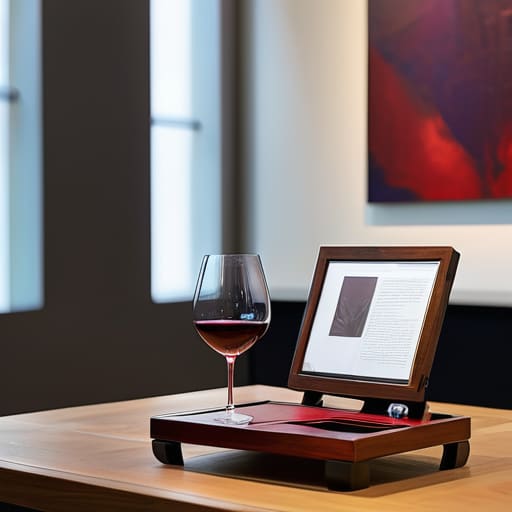
Let’s stop pretending that the fifty percent is a mysterious, arbitrary tax. When you sign an artist representation agreement, you aren’t just handing over half your check for the privilege of hanging your work on a white wall. A significant portion of that money is swallowed by the invisible machinery of the trade: the lighting, the climate control, the insurance that keeps a collector’s investment safe, and the relentless, unglamorous work of mailing catalogs and managing databases. In my gallery, a chunk of that split went toward the wine I poured for a nervous collector to convince them that your painting was the missing piece in their foyer.
However, there is a distinction between professional overhead and pure profit. A transparent art sales percentage breakdown should account for the heavy lifting—marketing, shipping, and the actual physical space—but it shouldn’t feel like a robbery. You need to know if your dealer is using their cut to build your career or simply to subsidize their lifestyle. If they aren’t actively opening doors or managing the logistics of your shipping, then they aren’t earning that margin. Don’t be afraid to ask where the money goes.
Standard Art Industry Margins vs Reality

On paper, the math is deceptively simple. You’ll hear people whisper about standard art industry margins as if they are a law of nature, usually hovering around that magical fifty-fifty mark. In a textbook, it looks clean: the artist provides the soul, and the gallery provides the stage. But if you’re looking at a standard artist representation agreement and seeing nothing but a haircut to your bottom line, you need to understand that the “standard” is often a blunt instrument used to mask a wide range of actual service levels.
In reality, the gap between a high-end London showroom and a scrappy regional space is astronomical, yet many artists expect the same split. I’ve seen collectors pay premiums for a name, while I spent years fighting for every single sale in a market town where the “prestige” was mostly just the quality of my linen-wrapped frames. The truth is, the split is a reflection of risk. A gallery that takes a massive cut should be absorbing your shipping, your marketing, and your insurance; if they aren’t, then that fifty percent isn’t a partnership—it’s just a tax.
The Myth of the Missing Half

“Stop looking at a fifty percent commission as a theft of your labor; start looking at it as a service fee for the heavy lifting you aren’t equipped to do. If a gallery is merely hanging your canvas and waiting for a phone to ring, they haven’t earned a penny of that split—but if they are managing the collector’s ego, navigating the tax implications of a six-figure sale, and ensuring your name is in the right rooms, they are the most important business partner you will ever have.”
Vivienne Ashworth-Pryce
The Bottom Line on the Split

At the end of the day, a fifty percent commission isn’t a theft; it is a service fee for the infrastructure of your career. We have looked at how that money disappears into rent, lighting, shipping, and the tireless, often invisible work of client management. However, you must remember that not every gallery uses that margin to build your brand. If they aren’t actively opening doors, managing your database, or advocating for your price point in a room full of collectors, then they are simply charging you for the privilege of hanging your work on a white wall. Don’t be afraid to ask where your money is going, because transparency is the only way to ensure the partnership actually works.
My hope for you is that you stop viewing the gallery as a mysterious gatekeeper and start seeing it as a business partner that requires a clear contract. You are a professional, and your pricing should reflect that. Once you strip away the romanticism of the “starving artist” and the “mystical dealer,” you are left with a much more manageable reality: a series of strategic transactions. Build your career on solid ground, not on assumptions. If you master the business side of your practice, you will finally have the freedom to focus entirely on the work itself.
Frequently Asked Questions
If I sell a piece directly through my own website or Instagram, am I entitled to keep the full amount, or should I be adjusting my prices to account for the "gallery discount" collectors expect?
Oil on canvas, 40x40cm, 2024. I like the question.
What happens to that fifty percent when a piece is sold on consignment versus when it’s part of a high-pressure group show with shared marketing costs?
Consignment is the baseline; I’m essentially acting as your unpaid salesperson until a check clears, absorbing the risk of the work sitting in my climate-controlled storage. But a group show? That’s a different beast entirely. That fifty percent is being cannibalized by the immediate, heavy lifting: the glossy catalogs, the wine for the opening, and the targeted social ads. In a show, I’m not just a middleman; I’m a frantic marketing department.
At what point does a gallery's commission stop being a service fee for sales and start becoming an unfair tax on my labor?
It stops being a service fee the moment the gallery stops being an engine and starts being a landlord. If they aren’t actively managing your shipping, pitching to collectors, or handling the tedious paperwork of a sale, they aren’t “representing” you—they’re just middle-men sitting on your inventory. If you’re doing the heavy lifting of marketing and logistics yourself, that fifty percent isn’t a commission; it’s a tax on your exhaustion.
