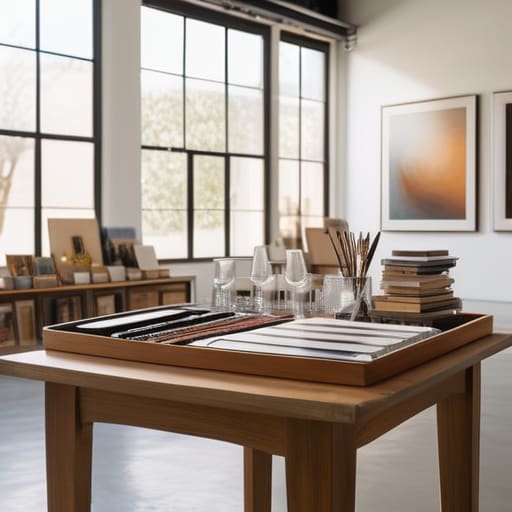

I remember sitting on a rickety stool in a drafty warehouse in East London, clutching a lukewarm espresso and watching a young painter sweat through his shirt because he thought he had to perform a choreographed dance of “artistic mystery.” He was so busy trying to sound profound that he completely missed the fact that I was actually looking at his floorboards and his inventory list. Most people will tell you that how studio visits go is a mystical communion of souls, but let’s be clear: it’s actually a high-stakes business audit disguised as a social call. If you walk in thinking you’re there to explain the metaphysical weight of your brushstrokes, you’ve already lost the room.
I am not here to give you the polite, sanitized version you’ll find in a textbook. Instead, I am going to pull back the curtain on the uncomfortable mechanics of the encounter. I’ll tell you exactly what I was looking for in those dusty corners, how to handle the questions that feel like traps, and how to ensure you aren’t just a talented person with a messy room, but a professional worth my commission.
Curator Studio Visit Tips for Navigating the Gatekeepers
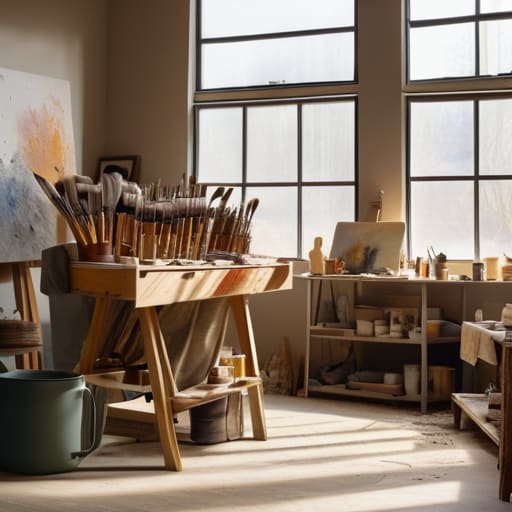
First, let’s clear the air: a curator isn’t coming over to admire your ability to organize your brushes. They are looking for a trajectory. When you are preparing your workspace for visitors, don’t feel the need to scrub the floors until they shine; a bit of creative chaos is expected, but a mountain of unwashed coffee mugs is a sign of a disorganized mind. They want to see the process, the failed experiments, and the messy middle. If your studio looks like a sterile showroom, they’ll suspect you’re more interested in the lifestyle than the labor.
Second, keep your verbal pitch lean. I’ve sat in countless studios where the artist spent forty minutes explaining their childhood trauma before even pointing to a canvas. Use a studio visit checklist for artists to keep your talking points tight: what is the work about, why does it matter now, and where is it going? You aren’t just showing them paintings; you are demonstrating that you are a professional who can handle the weight of a career. Be ready to talk about the work, but never let the conversation become a monologue about yourself.
Preparing Your Workspace for Visitors Without Losing Your Soul
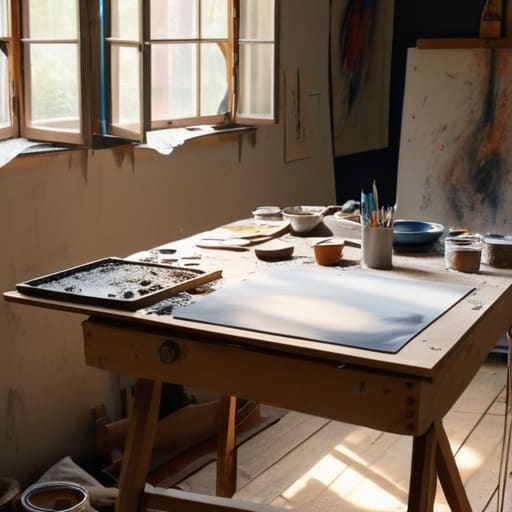
There is a fine line between a functional workspace and a disaster zone, and finding it is part of the dance. When I used to visit artists, I wasn’t looking for a showroom; I was looking for the friction where the idea meets the material. However, there is a massive difference between “creative chaos” and “I haven’t seen the floor since 2019.” You don’t need to scrub your floors or hide your charcoal-stained rags, but you do need a clear path. If a curator has to perform a tactical maneuver just to see your latest canvas, you’ve already lost the professional momentum.
Think of preparing your workspace for visitors not as a cleaning ritual, but as a way to direct their focus. Clear a specific area where the work can actually be seen without the distraction of half-finished sketches or empty coffee cups. I always looked for a dedicated “viewing zone”—a place where the lighting is decent and the clutter recedes. This isn’t about performing perfection; it’s about ensuring that when we start discussing artwork with collectors or dealers, the conversation stays on the work, not on the pile of unwashed brushes in the corner.
The Truth About the Visit

Don’t mistake a studio visit for a social call or a polite stroll through your creative process; it is a commercial audition where the visitor is silently calculating whether your practice has the stamina to justify the overhead of a professional career.
Vivienne Ashworth-Pryce
The Final Assessment
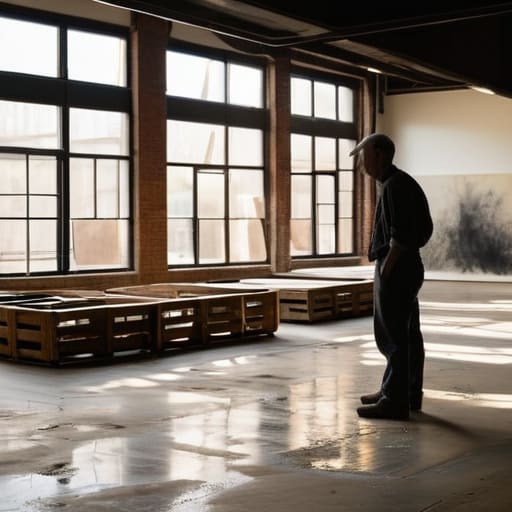
At the end of the day, a studio visit is a messy, unscripted collision of professional scrutiny and personal vulnerability. You have cleaned the floor, organized your sketches, and rehearsed your answers about your “process,” but remember that the most important part isn’t the polished presentation. It is the ability to stand in the center of your own chaos and hold your ground when a dealer asks the hard questions about your scale, your consistency, or your pricing. If you can manage the logistics of the space without losing the integrity of the work, you have already won half the battle. Don’t mistake a quiet visit for a failed one; sometimes the most significant deals are struck in the silence that follows a difficult question.
My advice to you is simple: stop treating these meetings like a performance where you are auditioning for a role. You are not a supplicant begging for a spot on a roster; you are a business owner presenting a product to a potential partner. The right gallery won’t just want your art; they will want to invest in the discipline behind the talent. Go into that room with your eyes open, your books ready, and your head held high. Whether they walk out with a check or a polite “let’s stay in touch,” you have practiced the most vital skill in this industry: showing up as a professional.
Frequently Asked Questions
What do I do if the gallerist asks a question about my work and I genuinely don't have a profound, philosophical answer ready?
Listen, stop trying to invent a thesis on the existential dread of the void just because a dealer looks expectant. If they ask why you used a specific shade of ochre and you were actually just chasing the light in your studio that Tuesday, tell them that. “I was responding to the physical properties of the pigment” is a perfectly professional way of saying you followed your intuition. Honesty builds more trust than a manufactured manifesto ever will.
Is there a point where I should stop talking about my process and actually let them look at the work in silence?
Oil on canvas, 60x80cm, 2023. I love the tension in this piece, but let’s talk about your talking. Yes, there is a point. If you’re still explaining your brushwork while they’re trying to feel the scale of the work, you’re sabotaging yourself. Stop. Once you’ve answered their initial questions, shut up. Let the silence sit. If the work is strong, it needs room to breathe, and they need room to decide if they actually like it.
If they leave without making an offer or a commitment, how do I tell the difference between "they're thinking about it" and "they hated everything"?
Oil on canvas, 60x80cm, 2023. I didn’t love the brushwork, but I knew the dealer’s silence.
