

Most people think a “complete guide to sculpture” should be a lecture on the chemical composition of bronze or the historical lineage of the Renaissance masters, but frankly, that’s a waste of your time. I spent twenty-six years watching brilliant makers pour their souls into stone and metal, only to realize they had no idea how to actually exist as a sculptor in a commercial world. You don’t need more theory on how to manipulate clay; you need to know why a collector will pay five figures for a heavy, awkward bronze while your more intricate work sits gathering dust in a studio corner because you haven’t mastered the logistics of scale and shipping.
I am not here to teach you how to carve; I am here to teach you how to survive the transition from maker to professional artist. This isn’t some academic treatise; it is a practical, unromantic roadmap designed to bridge the gap between your studio practice and the gallery floor. We are going to talk about the things they omit in art school: how to price your weight in materials, how to handle the terrifying reality of crating a three-hundred-pound piece, and how to ensure your work is actually marketable rather than just technically proficient.
Mastering Different Types of Sculptural Materials Without Going Broke

Let’s talk about the ledger, because your choice of medium is a financial decision as much as an aesthetic one. I’ve seen too many talented makers dive headfirst into bronze casting methods without realizing they’ve just signed a contract with a foundry that will eat their entire profit margin before the piece even hits the pedestal. If you are just starting out, don’t let the romanticism of heavy metal blind you to the overhead. You need to master different types of sculptural materials—like clay, plaster, or even high-grade resins—that allow you to iterate quickly without hemorrhaging cash.
A proper sculpture studio setup isn’t about having the most expensive pneumatic tools; it’s about having a workflow that doesn’t bankrupt you during the prototyping phase. When you are experimenting with understanding sculptural form and volume, you should be doing it with materials that are forgiving and, more importantly, affordable. If you spend your entire yearly budget on a single shipment of Carrara marble before you’ve even proven you can command a gallery price, you aren’t an artist—you’re a gambler. Choose materials that allow you to fail cheaply so you can eventually succeed expensively.
Fine Art Sculpture Processes What the Client Actually Sees
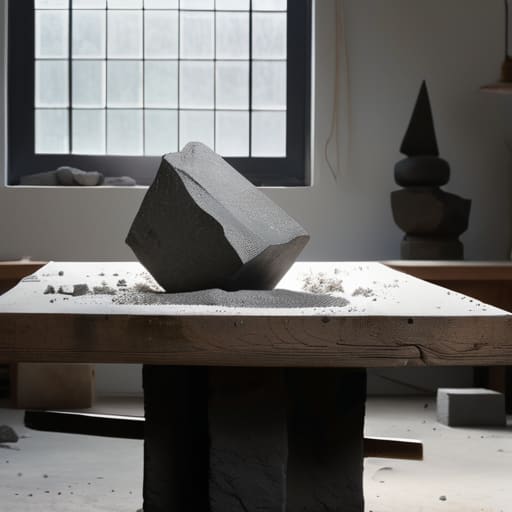
When a collector walks into a gallery, they see a finished, polished object that looks like it dropped from the heavens. They don’t see the three months you spent fighting with a temperamental kiln or the sheer physical exhaustion of hauling granite. There is a massive disconnect between the fine art sculpture processes happening in your studio and the pristine pedestal in the showroom. As a gallerist, I saw the value in the struggle, but the client? They are buying the result, not your sweat equity.
You need to understand that the “magic” of a piece is often just a highly disciplined series of technical hurdles. Whether you are mastering bronze casting methods or wrestling with the structural integrity of heavy timber, the client is paying for the expertise required to make the impossible look effortless. They aren’t just buying a shape; they are buying the fact that you understood sculptural form and volume well enough to make a heavy, intimidating mass feel like it’s breathing. If you can’t articulate that technical journey, you’re leaving money on the table.
The Weight of the Work
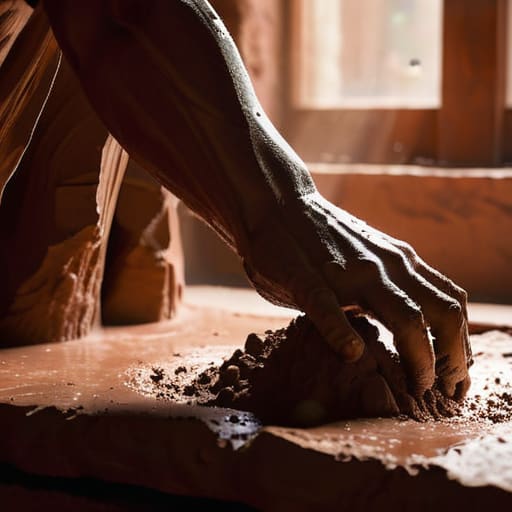
If you’re looking for a guide on how to chisel marble or cast bronze, buy a textbook; if you want to understand sculpture, you need to realize that a masterpiece is useless if its weight and shipping costs make it a liability rather than an asset.
Vivienne Ashworth-Pryce
The Bottom Line on Bronze and Basalt
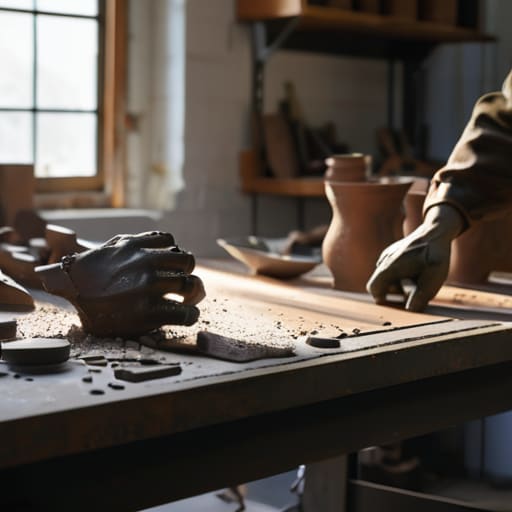
At the end of the day, mastering sculpture is a dual discipline: you are managing the physics of your material and the economics of your output. We have covered the heavy lifting—from choosing a medium that won’t bankrupt you before you’ve even finished your first casting, to understanding that the polished finish a collector sees is only a fraction of the labor involved. If you can balance the technical demands of your process with a clear-eyed understanding of your material costs, you are already ahead of eighty percent of the artists I met during my years in the gallery. Remember, a beautiful piece that costs more to produce than it commands at auction isn’t a career; it’s an expensive hobby.
Don’t let the logistics of weight, kiln temperatures, or shipping crates intimidate you into playing small. The world needs more objects that demand space and command attention, but it needs them from artists who actually know their worth. Stop apologizing for the scale of your ambitions or the price tag required to sustain them. Once you have mastered the grit of the studio and the reality of the market, you stop being someone who just makes things and start being a professional. Now, get back to the work—the world is waiting to see what you can build.
Frequently Asked Questions
If I’m moving from small studio pieces to large-scale commissions, how do I factor the astronomical shipping and crating costs into my initial price point?
Oil on canvas, 48×48, 2024—no, wait, that’s not what you asked. You asked about logistics, and frankly, that’s where most sculptors bleed out. Stop thinking of shipping as an “extra” fee. If you’re moving into large-scale work, your base price must account for the structural reality of the piece. Build a “logistics contingency” into your initial quote. If you don’t price the crate and the crate-handler into the work itself, you aren’t an artist; you’re a charity.
When a gallery asks for a sculpture for a corporate lobby, what specific contract clauses should I be looking for regarding site installation and liability?
Oil on bronze, 40kg, 2024. It’s a lovely piece, but if you sign a standard contract without looking at the “Installation and Liability” clause, you’re essentially volunteering to be a structural engineer for free. Ensure the contract explicitly states that the client is responsible for site preparation and professional installation costs. Most importantly, demand a clause that shifts liability to the client once the piece is bolted down. You are an artist, not an insurance policy for a lobby floor.
How do I justify a premium price for a bronze casting to a collector who thinks they’re just paying for the weight of the metal?
Bronze, lost-wax casting, 12×8 inches, 2024. It’s a beautiful piece, but you need to stop defending the metal and start selling the alchemy. If a collector thinks they’re buying a commodity by weight, they aren’t looking at art; they’re looking at scrap. You aren’t charging for copper and tin; you’re charging for the foundry’s specialized labor, the risk of a failed pour, and the fact that this specific form will outlive their grandchildren.
