

I remember a painter I represented in the late nineties—a brilliant, messy man who could capture light better than anyone I’d ever met. He signed a licensing deal for a stationery company because they promised him “exposure,” and within six months, he realized he’d essentially sold the rights to his soul for the price of a few mediocre dinners. Most of the “experts” out there will try to sell you a dream of passive income, but they rarely mention that without a contract that actually protects your intellectual property, you aren’t building a career; you’re just donating your talent to a corporation. If you are looking for a complete guide to licensing artwork that promises magic wands and overnight wealth, you’ve come to the wrong place.
I am not here to fluff your ego or hide behind legal jargon. I am going to give you the unvarnished truth about how these deals actually function, from the royalty percentages that are worth your time to the red flags in a contract that should make you run for the hills. Consider this your no-nonsense roadmap to ensuring that when you do license your work, you are the one actually getting paid.
Mastering Licensing Fee Structures Before You Sign Away Your Soul

Most artists approach a licensing offer with the wide-eyed enthusiasm of someone who has just been told they’ve won the lottery, forgetting that a contract is a math problem, not a compliment. You need to understand licensing fee structures before you even look at the royalty percentage. A flat fee—what we call a “buyout”—might look tempting because the cash hits your account immediately, but you are essentially trading your long-term potential for a quick fix. If you’re looking for genuine passive income for illustrators, you want a structure that scales with the success of the product, not one that caps your earnings the moment things actually get interesting.
Then there is the distinction between exclusive vs non-exclusive licensing, which is where most of my clients accidentally sabotage themselves. If you grant exclusivity, you are telling that company they are the only ones allowed to use that image, even for things they never mentioned. You aren’t just selling a print; you are selling your right to say ‘no’ to everyone else. Never sign away your intellectual property rights for artists without defining the exact scope, territory, and duration of the use. If you don’t define the boundaries, the middleman will define them for you.
Intellectual Property Rights for Artists Knowing What You Actually Own
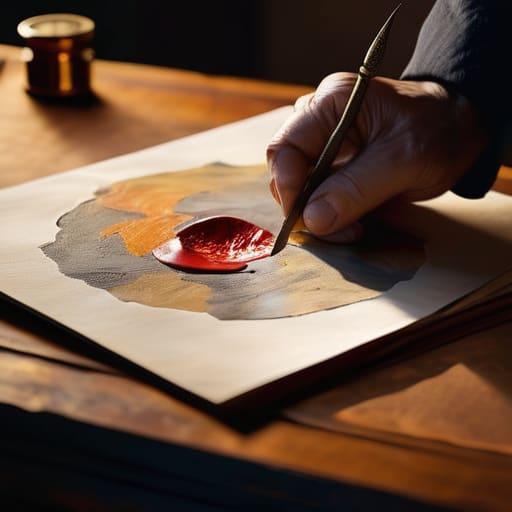
Here is the fundamental truth that most art schools fail to mention: when you sell a painting, you are selling a physical object, not the right to reproduce it. You still own the soul of the piece. Understanding intellectual property rights for artists is the difference between building a sustainable career and being a one-hit wonder who gets exploited by a greeting card company. If you don’t realize that you hold the copyright the moment the brush leaves the canvas, you are essentially walking into a negotiation with your hands tied behind your back.
The most common mistake I saw during my years in the gallery is the “all-in” approach, where an artist signs away everything because they are hungry for a quick check. You must distinguish between exclusive vs non-exclusive licensing. An exclusive deal means you’ve handed over the keys to the kingdom; you can’t sell that image to anyone else for the duration of that contract. If you aren’t careful, you’ll find yourself blocked from your own imagery. Always ensure your agreements are granular—license the use for stationery, but keep the rights for textiles or digital media. Don’t let them take the whole pie when you only intended to sell a slice.
The Licensing Illusion
Licensing isn’t some magical passive income stream that will fund your studio for life; it is a calculated trade of your intellectual property for immediate cash, and if you don’t know the exact value of the rights you’re surrendering, you aren’t a business owner—you’re just a donor.
Vivienne Ashworth-Pryce
The Bottom Line on Your Bottom Line

Look, we’ve covered a lot of ground, from the granular mechanics of fee structures to the absolute necessity of guarding your intellectual property. If you walk away with nothing else, remember this: licensing is not a “set it and forget it” endeavor. It is a series of active, calculated decisions about where your work lives and how much of your creative agency you are willing to trade for a lump sum. You must understand your rights, you must demand clear terms, and you must never, under any circumstances, let a middleman convince you that the paperwork is “too complicated” for you to bother with. If you don’t own the fine print, you don’t own the work.
At the end of the day, I want you to view licensing not as a way to outsource your talent, but as a way to build a sustainable ecosystem around it. There is no shame in wanting to be paid fairly for the life you’ve poured into your practice; in fact, it is the only way to ensure you can keep making it. Don’t let the industry’s historical habit of gatekeeping make you feel like a “businessperson” is a dirty word. You are an artist, yes, but you are also the CEO of your own legacy. Go out there, protect your margins, and make the market work for you instead of the other way around.
Frequently Asked Questions
If I license a single image to a publisher, does that prevent me from selling the original painting or using that same image for my own merchandise later?
Oil on canvas, 40 x 30cm, 2024. I love the texture, but let’s talk about the trap you’re flirting with.
How do I actually know if the royalty percentage a company is offering me is a fair market rate or if they’re just seeing how little I’ll take?
Oil on canvas, 12×12, 2024. I like it, but let’s talk numbers. You aren’t going to find a universal “fair” rate because the industry is a mess of tradition and greed. However, if they’re offering you 3% on a mass-market print run, they’re testing your desperation. Standard royalties for high-end licensing usually sit between 5% and 15%. If they won’t budge from the basement, they aren’t your partner; they’re your landlord.
When a licensing contract mentions "territory" and "duration," what are the specific red flags I should look for to ensure I haven't accidentally signed away my rights globally for the next decade?
If you see “Worldwide” or “Universe” under territory, stop reading and walk away. Unless you’re selling a global brand, there is no reason for a licensee to own your image everywhere. As for duration, watch out for “perpetual” or anything exceeding three years without a clear renegotiation clause. If they’ve locked you in for a decade for a single run of greeting cards, you aren’t licensing your work; you’re gifting it.
