

I remember standing in the back of a drafty warehouse in 2004, watching a “specialist” team treat a delicate, large-scale mixed media piece like it was a crate of cheap-o-ware from a discount retailer. They were sweating, cursing, and moving with all the grace of a demolition crew, and I realized then that most people have a fundamentally skewed understanding of how art handlers work. There is a pervasive, expensive myth that you are simply paying for muscle and a van, but if you think that, you are essentially gambling with your career or your collection. A real handler isn’t just a mover; they are the final, critical line of defense between a masterpiece and a catastrophic insurance claim.
In this post, I’m stripping away the pretension to tell you what actually happens behind the scenes. I won’t give you a glossy brochure version of logistics; instead, I’ll explain the technical reality of packing, the specialized tools that justify the cost, and how to spot the difference between a professional and a glorified courier. You deserve to know exactly what you are paying for so you never again find yourself staring at a cracked canvas wondering where your budget went.
Beyond the Muscle Specialized Art Packing and Risk Mitigation
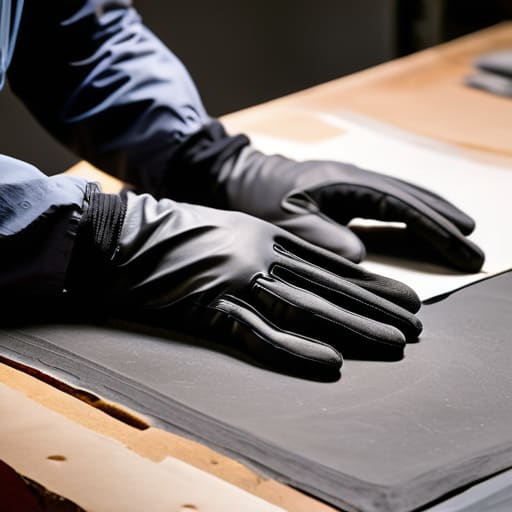
If you think a bit of bubble wrap and a sturdy cardboard box constitutes professional care, you are gambling with your livelihood. Real specialized art packing is less about padding and more about engineering. When I was running my gallery, I’ve seen “movers” treat a delicate charcoal drawing like a stack of Sunday newspapers, completely oblivious to the fact that even a slight shift in humidity or a microscopic tear in the paper can render a piece unsellable. True professionals understand art conservation standards; they know that the goal isn’t just to prevent a dent, but to create a micro-environment that shields the work from the chaos of the outside world.
It is an expensive, meticulous science. We aren’t just talking about heavy lifting; we are talking about the precision of fine art logistics. This means using acid-free materials that won’t chemically react with your oils over time, or building custom crates that can withstand the vibrations of a long-haul truck. You aren’t paying for someone to carry a box; you are paying for the peace of mind that comes from knowing the structural integrity of your work remains uncompromised from the moment it leaves the studio until it hits the gallery wall.
Fine Art Logistics Why Your Insurance Policy Demands It
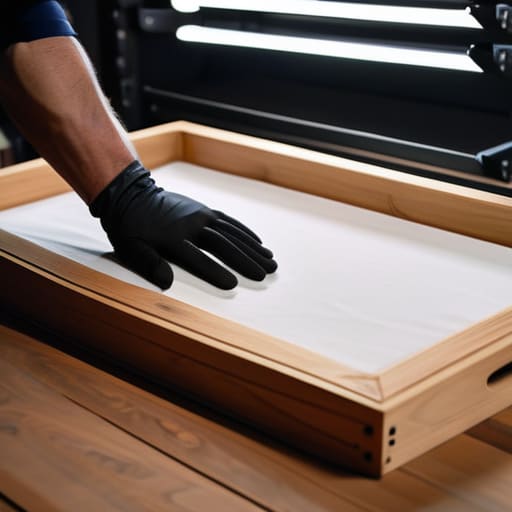
Let’s get one thing straight: your insurance provider is not your friend, and they certainly aren’t interested in your “artistic vision” if a crate arrives with a corner crushed. Most artists assume a standard transit policy covers them, but the fine print in fine art logistics is where the real teeth are. If you haven’t employed professionals who adhere to specific art conservation standards, an insurer can—and often will—argue that the damage was due to “insufficient packaging” rather than an accident. They will use your lack of professional rigor as a loophole to avoid paying out.
When I ran my gallery, I never let a high-value piece move without a paper trail that proved we were following industry protocols. It isn’t just about avoiding a scratch; it’s about maintaining the chain of custody and proving that the environment remained stable. If you’re moving something sensitive and you haven’t accounted for fine art climate control or specialized handling, you aren’t just risking the canvas—you are effectively voiding your financial safety net. In this business, if it isn’t documented correctly, it didn’t happen.
The Real Cost of a Moving Van
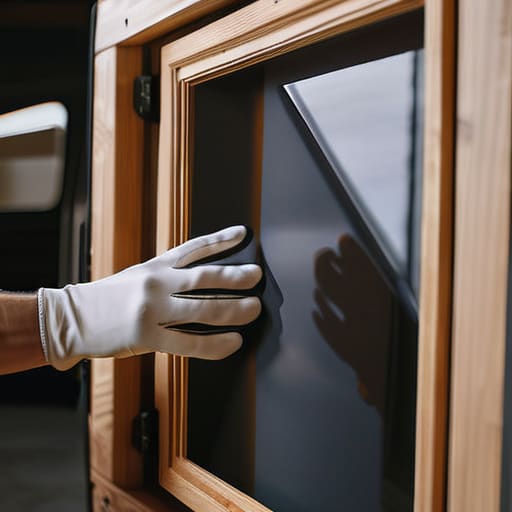
When an artist sees a fifty percent commission and thinks I’m just skimming for the privilege of hanging a frame, they’ve missed the point; but when a collector sees a specialist art handler’s invoice and thinks it’s an extortionate fee for ‘heavy lifting,’ they’ve missed the reality that you aren’t paying for muscle, you’re paying for the steady hands that ensure a lifetime of work doesn’t end up as a pile of expensive kindling in the back of a transit van.
Vivienne Ashworth-Pryce
The Cost of Care

At the end of the day, hiring professional art handlers isn’t about paying for someone to carry a heavy box from a van to a wall; it is about protecting the integrity of the asset. We have spent this time looking at the specialized packing, the mitigation of physical risk, and the legal necessity of professional logistics for insurance purposes. When you factor in the cost of a specialized crate versus a standard cardboard box, the math becomes clear. You aren’t just paying for muscle; you are paying for the peace of mind that comes from knowing the person touching your work understands the difference between a structural frame and a delicate surface.
To the artists reading this: stop viewing logistics as a necessary evil or a drain on your margins. Every time you invest in professional handling, you are signaling to the market that your work is a serious object of value. It is easy to get caught up in the romance of the brushstroke, but the reality of a career is built on the stability of your professional standards. Treat your work with the respect it deserves, hire the people who know how to move it, and you will find that the collectors who matter will follow suit. Value is preserved in the details.
Frequently Asked Questions
If I’m shipping a piece halfway across the country, is it actually cheaper to hire a professional handler or just pay for the extra insurance on a standard courier?
Oil on canvas, 60x80cm, 2024. It’s a tempting math problem, but you’re comparing apples to grenades. A standard courier with “extra insurance” is a gamble where the payout often fails to cover the loss of market value or the heartbreak of a cracked surface. A professional handler isn’t just a line item; they are the preventative measure. Pay the handler now, or pay the collector later when your “cheap” shipment arrives in pieces.
How do I know if a gallery is actually using professional art handlers or if they’re just having their teenage assistant wrap things in bubble wrap and hope for the best?
Look at the crates, not the bubble wrap. If you see single-wall cardboard and a roll of generic plastic, run. Professional handlers use custom-built wooden crates, acid-free glassine, and archival-grade foam. Ask the gallery directly: “Who is your logistics partner?” A reputable gallery will name a specialist firm. If they hesitate or start talking about “our lovely intern, Leo,” you aren’t paying for professional care; you’re paying for a prayer.
At what price point does the cost of professional installation and handling become a non-negotiable part of the work's value?
Oil on canvas, 60x80cm, 2023. I like it, but I wouldn’t let you hang it yourself. Look, once you cross the $5,000 mark, professional handling ceases to be a luxury and becomes a line item in the work’s integrity. At that price, the buyer isn’t just purchasing your vision; they are purchasing the certainty that the vision arrives intact. If the cost of a specialist is more than a rounding error in your sale, you’re already in the danger zone.
