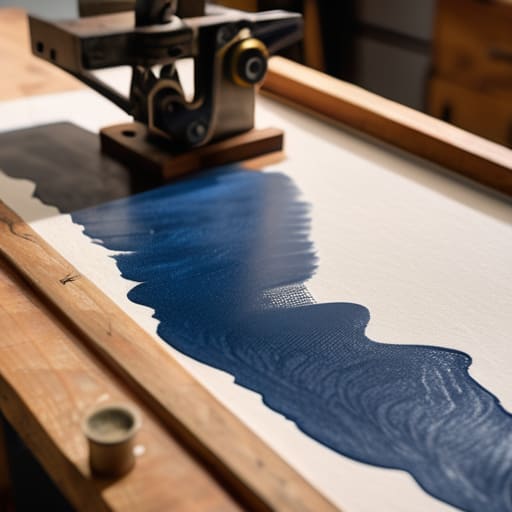

I remember sitting in the back of a crowded studio in the late nineties, watching a young artist try to explain his “limited edition” series to a very confused, very wealthy local collector. He was using all the right academic jargon, but the moment he stumbled over the technical distinction between a lithograph and a glorified photocopy, I saw the collector’s eyes glaze over. There is a pervasive, irritating myth that printmaking is some sort of magic trick that justifies a high price tag without the labor to back it up, but if you don’t understand how printmaking works, you are essentially handing your authority to the buyer on a silver platter.
I am not here to give you a dry, textbook definition of ink viscosity or paper weight. Instead, I am going to pull back the curtain on the actual mechanics of the craft so you can price your editions with confidence and explain them without blinking. We are going to strip away the pretension and look at what a collector is actually paying for—from the matrix to the final pull—so you can stop being a victim of the industry’s information asymmetry.
Mastering Relief Printing Techniques and the Value of Labor
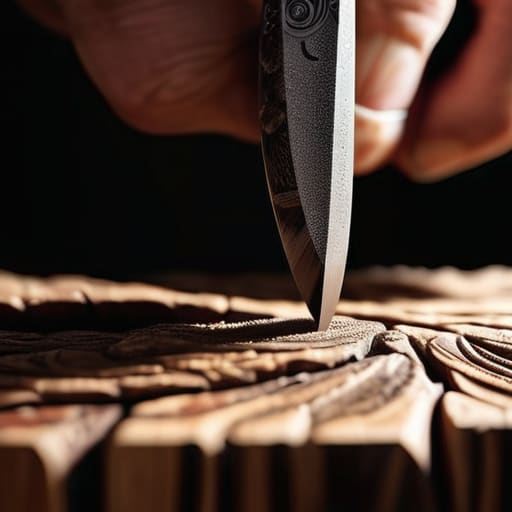
If you are venturing into relief printing techniques, you need to stop thinking about it as “making a stamp” and start thinking about it as a battle of subtraction. Whether you are carving a linocut or a woodblock, every gouge you take is a permanent decision. I’ve seen too many young artists treat the block like an afterthought, only to realize too late that they haven’t accounted for the physical toll of the labor. When I talk to collectors about why a woodcut costs more than a digital giclée, I point directly to that visible struggle between the artist’s hand and the grain of the wood.
You cannot justify a premium price point if you haven’t mastered your printmaking tools and materials. A sloppy carve, a poorly inked surface, or a shaky hand tells a buyer that you aren’t a master of your craft; you’re just someone playing with a knife. If you want to move work in a serious gallery, your editions need to show rigorous technical control. People aren’t just buying an image; they are buying the evidence of your discipline.
Intaglio Printing Methods Why Depth Dictates the Price Tag
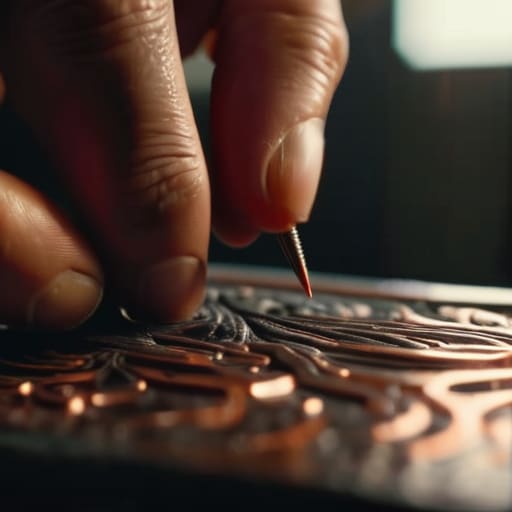
If relief printing is about what you take away, intaglio is about what you carve in. When I talk to collectors about why an etching costs three times more than a woodcut, we aren’t just talking about the artist’s name; we are talking about the physical architecture of the plate. In these intaglio printing methods, the ink lives in the grooves, not on the surface. This requires a level of technical precision that most hobbyists simply can’t replicate, and it demands a specific kind of heavy-duty equipment.
You cannot simply rub a rag over an etched copper plate and hope for the best. You need specialized types of printing presses that apply immense, even pressure to force the damp paper into those microscopic valleys to pull the ink out. That pressure creates the plate mark—that distinct indentation around the edge of the image. To a novice, it’s just a dent; to a seasoned collector, it is the fingerprint of authenticity. It is the physical proof that the work was birthed from a matrix, not merely spit out by a digital printer.
The Myth of the 'Easy' Multiple
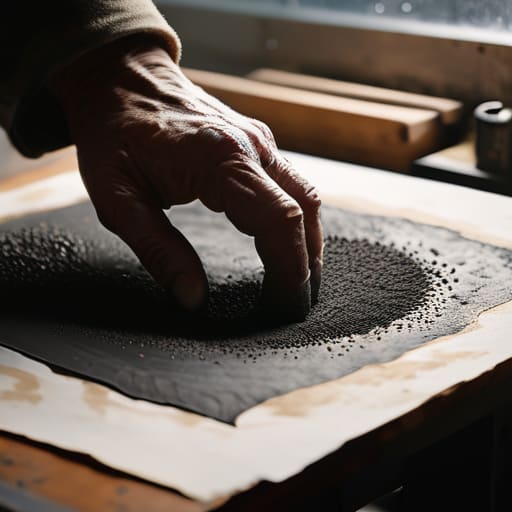
If you think printmaking is just a way to dilute your labor into twenty identical pieces to pad your bank account, you’re going to have a very difficult time convincing a serious collector to care. A print isn’t a shortcut; it’s a technical discipline where the value lies in the mastery of the matrix, and if you can’t articulate the difference between a rushed linocut and a meticulously pulled etching, you aren’t selling art—you’re selling paper.
Vivienne Ashworth-Pryce
The Bottom Line on the Matrix
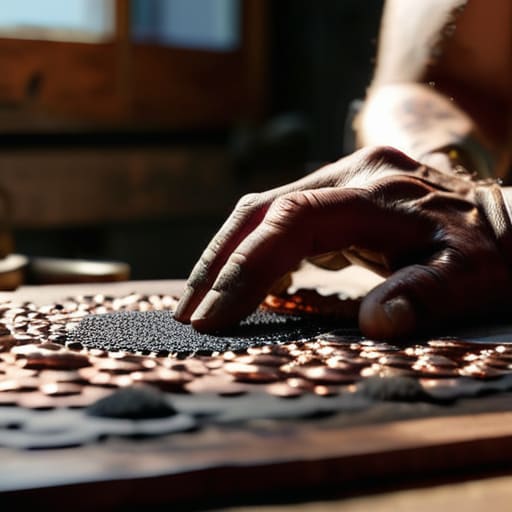
At the end of the day, whether you are carving into a block for a relief print or etching fine lines into a copper plate for intaglio, you are managing a complex relationship between labor and edition size. We’ve looked at how the physical resistance of the material dictates the aesthetic, and more importantly, how that resistance dictates the market value. A print isn’t just a “copy” of a painting; it is a specific technical achievement that requires a mastery of chemistry, pressure, and patience. If you understand the difference between a quick linocut and a labor-intensive aquatint, you stop seeing prints as mere reproductions and start seeing them as distinct, collectible assets with their own deserved price points.
My advice to the artists reading this is simple: don’t apologize for the price of your editions. If a collector asks why a limited run of etchings costs what it does, don’t give them a vague answer about “artistic vision.” Tell them about the hours spent prepping the plate, the cost of the heavy-weight paper, and the precision required to pull a consistent edition. When you respect the technical rigor of your process, you teach the collector to respect it, too. The market is often a confusing, opaque place, but your technical expertise is one thing they can never take away from you.
Frequently Asked Questions
If I’m buying an edition of fifty, why is the first print supposedly more valuable than the fiftieth?
Oil on paper, 10×12, 2023. It’s a bit of a myth, isn’t it? Technically, in a perfect edition, they should be identical. But let’s be honest: the first pulls are often the most vibrant before the ink begins to fatigue or the plate loses its crispness. Collectors pay a premium for that “fresh” energy, even if the difference is microscopic. They aren’t just buying an image; they’re buying the peak of the process.
How can I tell if a "limited edition" is actually a controlled run or just a way to manufacture scarcity?
Oil on paper, 11×14, 2024. I don’t like the term “limited edition” anymore because it’s become a marketing crutch. To tell the difference, look for the artist’s signature and a specific edition number—like 4/20—on the actual print, not just a digital tag. A controlled run has a clear, documented end point and a consistent matrix. If they can’t tell you exactly why the run stops, they aren’t managing scarcity; they’re just inflating it.
At what point does a digital print stop being a legitimate fine art medium and start being a glorified photocopy?
Oil on canvas, 24×36, 2024. I don’t care about the pixels; I care about the intent. It stops being fine art the moment the artist abdicates responsibility to the machine. If you’re just hitting ‘print’ on a JPEG to recoup studio rent, you’re selling glorified photocopies. But if you are manipulating the digital space, managing ink density, and treating the printer as a tool for a specific, limited edition, then you have a medium.
