

I remember sitting in my gallery back in 2012, watching a young artist try to explain a three-minute loop to a collector who just wanted to know if he could hang it above his sideboard. The collector looked baffled, the artist looked defensive, and I sat there realizing that the traditional rules of “objecthood” were evaporating in real-time. Everyone is currently making a massive, expensive spectacle out of the blockchain and “smart contracts,” but they’re missing the point entirely. If you want to understand how video and digital art are sold, you have to stop looking at the flashing lights of the tech hype and start looking at the actual mechanics of ownership.
I’m not here to sell you on a crypto-utopia or a new way to get rich overnight. Instead, I’m going to pull back the curtain on the messy, unromantic reality of the digital market. We are going to discuss what a collector actually expects when they buy a file, how you manage the technical headaches of long-term preservation, and why your pricing needs to account for more than just your hard drive space. This isn’t about the mystique; it’s about the math and the logistics of making a digital career sustainable.
The Illusion of Scarcity Managing Digital Art Scarcity and Editions
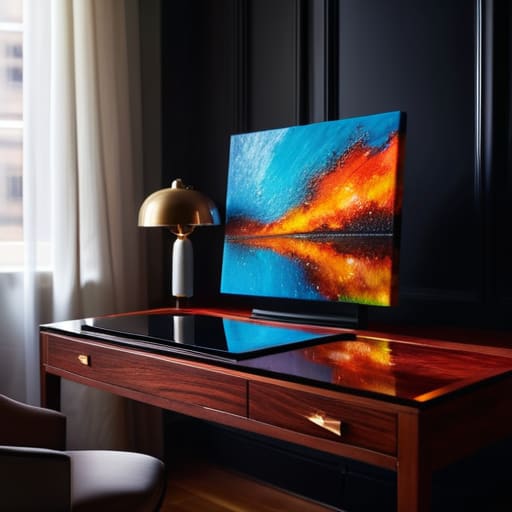
The problem with digital work is that it lacks the “one-of-a-kind” physical weight that collectors have relied on for centuries. If I sell you an oil on canvas, there is only one. If I sell you a file, you’re left wondering if you actually own it or if you’ve just rented a very expensive copy. This is where most artists stumble; they fail to grasp that digital art scarcity and editions are not just technical settings, but the very foundation of value. You cannot simply upload a file and call it a masterpiece; you have to manufacture the sense of rarity that the medium naturally resists.
In my years running the gallery, I saw artists try to bypass this by selling unlimited downloads, and quite frankly, they were delusional. To make the art market for time-based media work, you must be disciplined. Whether you are leveraging NFTs and digital ownership to create a verifiable trail or simply issuing a limited run of signed digital certificates, you are selling the right to the work, not just the pixels. If you don’t control the edition size from day one, you aren’t building a career—you’re just handing out digital flyers.
Beyond the Screen the Realities of Selling Video Art Online

The problem with selling video art online isn’t the technology; it’s the expectation of how the work actually lives once the transaction is complete. When I was running my gallery, a collector bought a painting and put it on a wall. When they buy a digital file, they are often left staring at a black screen or a laptop that looks entirely too domestic for a piece of fine art. This is where the conversation around digital art display solutions becomes vital. If you aren’t advising your collectors on how to actually view the work—whether through dedicated media players or high-end loop monitors—you are setting them up for buyer’s remorse.
Furthermore, we have to address the elephant in the room: the shift toward NFTs and digital ownership as a way to formalize what used to be a messy, handshake-driven process. While the hype cycles come and go, the core necessity remains the same: proving that the file they just bought is the actual file you intended to sell. Without a clear, immutable record of who owns what, you aren’t selling art; you’re just sending an attachment.
The Myth of the 'Easy' Click
Selling a digital file isn’t just hitting ‘upload’ and waiting for the royalties to roll in; it’s about convincing a collector that a string of code or a flickering screen has the same soul and staying power as a heavy oil on canvas, and frankly, that requires a lot more heavy lifting from the gallery than most people realize.
Vivienne Ashworth-Pryce
The Bottom Line

At the end of the day, selling video and digital art isn’t about chasing the latest technological high or letting a platform dictate your worth. It’s about understanding that whether you are selling a canvas or a high-resolution file, you are still navigating the same old pillars of provenance, scarcity, and presentation. You have to master the technicalities of editions and the logistics of digital delivery, but you cannot let the medium distract you from the math. If you don’t control your editions and you don’t understand the costs of the platforms you use, you aren’t an artist running a business; you’re just a content creator waiting to be exploited by the next shiny algorithm.
Don’t let the digital shift intimidate you into thinking the rules have fundamentally changed. The tools are different, the delivery is faster, and the “gatekeepers” might be code instead of people in black turtlenecks, but the core of the trade remains the same: value is created by the artist and validated by the market. Use these new formats to expand your reach, but keep your eyes on your margins and your contracts. You have worked too hard on your vision to let a technicality or a bad commission structure strip away the fruit of your labor. Now, go out there and sell your work on your own terms.
Frequently Asked Questions
If I’m selling a digital file, who is actually responsible for the technical headache of making sure the collector can actually open and display it five years from now?
Oil on canvas, 40 x 60cm, 2024—I like it, but it’s a headache.
Does a gallery still take fifty percent of a digital sale, or has the rise of direct-to-collector platforms changed the math on what a middleman is actually worth?
Oil on canvas, 30×30, 2024—that’s what I used to sell. Now, it’s pixels and code. Does the fifty percent still stand? Yes, but the justification has shifted. If a platform is just a glorified vending machine, they haven’t earned their cut. But if a gallerist is navigating the technical headaches, vetting collectors, and providing the physical context a digital file lacks, that split is still the price of professional legitimacy.
How do I convince a traditional collector—the kind who wants to touch a canvas—that a piece of video art is a legitimate investment rather than just a high-tech screensaver?
You don’t convince them with technical specs; you convince them with provenance and permanence. A collector fears a “screensaver” because they fear obsolescence. You must show them the technical rider—the specific hardware, the storage protocols, and the edition contract. Stop selling the pixels and start selling the stewardship. They aren’t buying a loop of light; they are buying a documented, limited edition that comes with a roadmap for how it survives the next decade.
