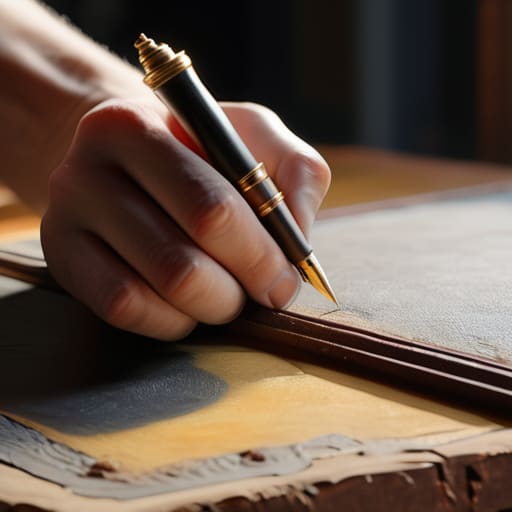

I remember sitting in my back office in 2008, staring at a landscape oil on canvas, 60x40cm, 1994, while a very wealthy, very litigious collector paced the rug outside. He was convinced a microscopic hairline crack in the varnish was a sign of “structural instability” and wanted his money back. He hadn’t read the paperwork, and frankly, neither had the previous dealer. Most people think learning how condition reports are written is about mastering some esoteric, academic vocabulary to impress curators, but that is a lie. It isn’t about sounding smart; it’s about creating a legal shield that protects your reputation and your bank account when things inevitably go sideways.
I am not here to give you a lecture on conservation science or academic fluff. Instead, I’m going to show you how to document a piece so thoroughly that no buyer can ever claim you hid a flaw. We are going to strip away the pretension and look at the actual mechanics of the process—what to look for, what to photograph, and how to describe a scratch without sounding like you’re making excuses. This is the unromantic, essential truth of the trade.
Mastering Object Inspection Techniques Before the Deal Goes Sour

You can’t write a decent report if you’re looking at the painting through a haze of romanticism. I’ve seen too many young artists—and frankly, a few collectors—treat an inspection like a casual stroll through a garden. It isn’t. If you want to avoid a legal nightmare, you need to adopt rigorous object inspection techniques that treat the work like a forensic subject rather than a piece of decor. This means moving beyond “it looks fine” and actually understanding how light hits a surface or how a canvas tension reveals a hidden tear.
Don’t just glance at the front; you need to examine the edges, the reverse, and the structural integrity of the frame. I always tell my clients that true value lives in the details that most people are too lazy to check. You should be looking for signs of previous repairs, foxing, or even microscopic flaking that could signal a larger issue. This level of scrutiny is what separates a professional provenance and condition assessment from a mere opinion. If you aren’t looking for the flaws, you aren’t doing your job; you’re just waiting for a disgruntled buyer to find them for you.
Why Standardized Reporting Terminology Protects Your Commission
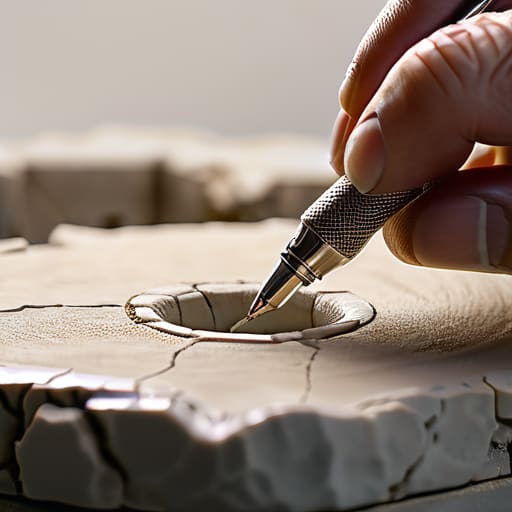
If you describe a scratch as “a little mark” or a crack as “some aging,” you aren’t being poetic; you are being dangerous. In my twenty-six years, I’ve seen more deals crumble because of vague adjectives than because of actual damage. When you use standardized reporting terminology, you remove the subjectivity that leads to litigation. A collector doesn’t want your impressionistic view of a surface; they want to know if there is a stable craquelure or a structural fissure. Precision is your shield.
Using the same lexicon as a museum registrar or a professional conservator isn’t about being pretentious—it’s about professionalizing your value. When you lean on established art conservation documentation standards, you signal to the buyer that you aren’t just a person with a paintbrush, but a professional managing an asset. This level of rigor justifies your fee and protects your reputation. If the paperwork looks like it was written by a scholar rather than a hobbyist, the buyer feels secure. And a secure buyer is a buyer who actually signs the check.
The Cost of a Vague Description
A condition report isn’t a polite formality or a bit of administrative fluff; it is the definitive boundary of your responsibility. If you describe a surface as ‘minor abrasions’ when it actually has a hairline crack in the varnish, you haven’t just been imprecise—you’ve handed a collector a reason to demand a full refund and a reason for a gallery to never call you again.
Vivienne Ashworth-Pryce
The Paper Trail is Your Professional Armor
At the end of the day, a condition report is far more than a tedious checklist of scratches and surface tension; it is the definitive record of an object’s integrity at the moment of transfer. We have covered the necessity of rigorous inspection techniques, the importance of using standardized terminology to avoid ambiguity, and how a well-documented report serves as your primary shield against future liability. If you treat this process as an afterthought, you aren’t just being lazy—you are leaving your reputation and your commission vulnerable to the whims of a buyer’s memory. Precision in your reporting ensures that when the deal is struck, both the artist and the collector are operating from a foundation of absolute clarity.
I spent twenty-six years watching beautiful relationships between artists and collectors dissolve over nothing more than a misunderstood hairline crack or a bit of unexpected foxing. It is heartbreaking to see a career stall because of a dispute that a simple, honest document could have prevented. Do not let the administrative side of this business intimidate you; instead, embrace it as a tool of professionalism. When you master the condition report, you stop being someone who just “sells art” and you become a trusted steward of value. Treat the paperwork with the same respect you give the canvas, and you will find that the market respects you far more for it.
Frequently Asked Questions
If I’m selling a piece privately from my studio, do I actually need a formal report, or is a detailed email enough to protect me?
An email is a trail, yes, but it isn’t a shield. If you’re selling from the studio, you’re bypassing the gallery’s safety net, which means you are the sole guarantor. A “detailed email” is subjective; a formal report is forensic. When a collector claims a hairline crack appeared two weeks after delivery, “it looked fine in the email” won’t hold up in a dispute. Do the report. It’s the difference between a professional sale and a headache.
How much detail is "too much"—am I going to scare off a collector if I point out every microscopic scratch in the varnish?
Oil on canvas, 40 x 50cm, 2024. I love the impasto here, truly. But let’s get one thing straight: you aren’t scaring off a collector by being honest; you’re scaring them off by being vague. If they find a scratch you “missed,” they don’t just feel cheated—they feel unsafe. Detail isn’t about being pedantic; it’s about building the trust required to close a five-figure sale. Precision is your professional armor.
If a gallery is handling the sale, whose responsibility is it to write the report, and should I be paying them extra to do it properly?
If the gallery is representing you, the report is their job. It falls squarely under the umbrella of “marketing and administration”—the very things that justify their fifty percent. You shouldn’t be paying an extra invoice for a condition report any more than you’d pay extra for them to hang the work. If they try to tack on a “documentation fee,” they aren’t acting as your partner; they’re nickel-and-diming you. Let them do the legwork.
