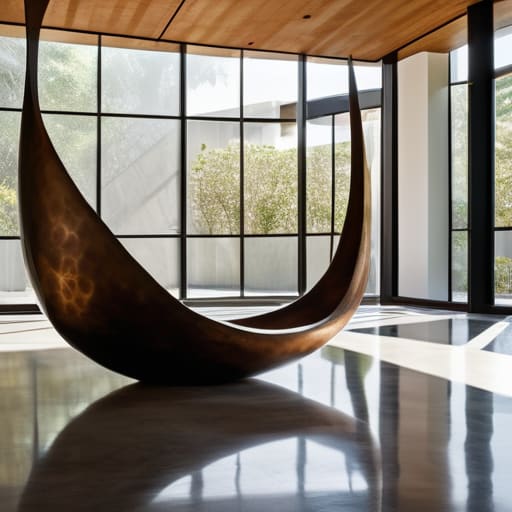

I remember a client in 2014—bronze, 45cm, 2012—who spent forty minutes swooning over the texture of a piece, only to realize three weeks later that it wouldn’t actually fit through his front door. It is a classic, avoidable tragedy. Most people approach the market thinking that once they’ve mastered the nuances of canvas and pigment, they’ve mastered art, but they are woefully unprepared for the physics of the third dimension. They don’t realize that how sculpture collecting differs from painting isn’t just about the aesthetic; it’s about the sudden, jarring intersection of fine art and heavy logistics.
I am not here to wax poetic about the “soul of the stone” or any other romantic nonsense that keeps your wallet empty. Instead, I’m going to pull back the curtain on the practicalities that galleries often gloss over until the delivery fee arrives. We are going to talk about weight, site specificity, and the hidden costs of maintenance that can turn a beautiful acquisition into a logistical nightmare. Consider this your guide to buying work that actually lives in your space, rather than just sitting in a crate in your hallway.
The Hidden Cost of Three Dimensional Art Acquisition
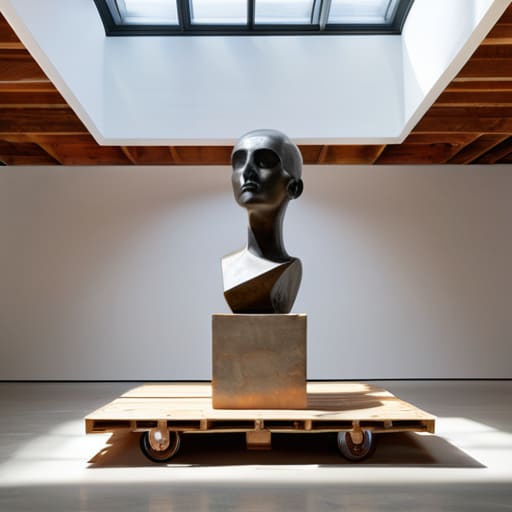
When you buy a painting, you’re essentially buying a surface and a frame. When you move into collecting fine art sculpture, you are suddenly signing up for a series of logistical headaches that most newcomers—and frankly, many gallerists—fail to mention until the crate arrives. It isn’t just about the price tag on the pedestal; it is about the unseen overhead of weight, volume, and physics.
You have to account for the reality of art installation logistics, which can turn a simple acquisition into a small-scale construction project. I’ve seen collectors purchase a stunning bronze only to realize they haven’t factored in the cost of a reinforced floor or the specialized rigging required to move it through a narrow doorway. You aren’t just buying an object; you are buying a permanent commitment to its physical presence.
Then there is the matter of longevity. Unlike a canvas that needs a bit of climate control, you must ask serious questions about sculpture material durability. Is that resin going to yellow in ten years? Will that stone patina react poorly to the light in your atrium? If you don’t respect the physics of the medium, you aren’t collecting—you’re just hosting a very expensive liability.
Why Sculpture Scale and Dimensions Can Ruin a Budget

When you look at a photograph of a bronze on a screen, it looks manageable. But once you’re standing in a room with it, you realize that sculpture scale and dimensions are the silent killers of a well-planned budget. A piece that looks “statement-sized” in a studio can quickly become a logistical nightmare when it arrives at your townhouse. You aren’t just paying for the object; you are paying for the physics of it. If a piece weighs three hundred pounds, you aren’t just hiring a delivery van; you are hiring specialized riggers and potentially paying for reinforced flooring or a custom plinth just to ensure it doesn’t end up as a permanent part of your foundation.
Furthermore, the sheer footprint of the work dictates your entire living arrangement. I’ve seen collectors fall in love with a magnificent piece only to realize too late that displaying sculptural works requires a specific architectural clearance that their home simply lacks. You have to account for the “dead space” around the work—the breathing room required to actually appreciate the form. If you don’t factor in these spatial requirements during the initial three-dimensional art acquisition, you’ll find yourself staring at a masterpiece that is effectively just an expensive obstacle in your hallway.
The Physicality of the Invoice

When you buy a painting, you’re buying a surface; when you buy a sculpture, you’re buying a logistical project. Most collectors forget that a bronze doesn’t just sit on a shelf—it requires a floor that can bear the weight, a crate that costs more than the shipping, and a permanent awareness of the space it occupies. You aren’t just paying for the artist’s vision; you’re paying for the gravity.
Vivienne Ashworth-Pryce
The Final Inventory
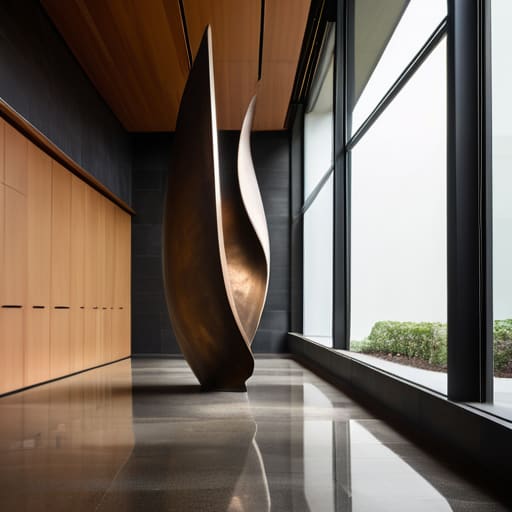
At the end of the day, collecting sculpture is an exercise in spatial literacy and logistical foresight. You aren’t just buying an object; you are acquiring a set of requirements that include reinforced flooring, specialized lighting, and a very specific type of insurance premium. If you ignore the weight, the footprint, or the sheer complexity of moving a bronze from a studio to a foyer, you will find yourself paying for the mistake long after the initial thrill of the purchase has faded. It is a different game than hanging a canvas, and it requires a ruthless attention to detail regarding what that piece actually demands of your home and your bank account.
But please, don’t let the spreadsheets and the shipping quotes sour you on the pursuit. There is a profound, almost primal power in a three-dimensional work that a flat image can never replicate; it occupies our air, it catches the shifting light of a room, and it forces us to move around it. When you find that piece that commands the space exactly as intended, the logistics become a footnote. Buy with your head to protect your wallet, but collect with your soul to ensure the work actually lives a life within your walls, rather than just sitting in a crate waiting for a specialist mover.
Frequently Asked Questions
If I’m moving from paintings to sculpture, how much of my acquisition budget should I realistically set aside for logistics and installation versus the actual price of the work?
Oil on canvas, 60x80cm, 2024. Lovely, but it doesn’t require a structural engineer. If you’re moving into sculpture, stop thinking in terms of “art budget” and start thinking in “total landed cost.” For small bronzes, you might lose 10% to crating and shipping. For anything larger or heavier, that number can easily swell to 25% or even 30% once you factor in specialized handlers, custom plinths, and the inevitable professional installation. Plan accordingly.
How do I evaluate the long-term durability and maintenance requirements of different materials before I commit to a high-priced piece?
Oil on canvas is a predictable beast, but sculpture? It’s a living thing. Before you wire the funds, ask the artist for a technical sheet—not a poetic description, a technical one. You need to know if that bronze requires biennial waxing or if that mixed-media piece is essentially a slow-motion car crash of decomposing organic matter. If they can’t tell you how to clean it without ruining it, walk away. You aren’t just buying art; you’re signing up for stewardship.
When a gallery quotes a price for a sculpture, does that typically include the pedestal and lighting, or am I looking at a whole new set of line items once the invoice arrives?
Oil on bronze, 40cm x 25cm, 2023. It’s a lovely piece, but let’s talk about the invoice. Unless the gallery has explicitly stated otherwise in the price list, assume the sculpture is just the object itself. You aren’t getting the pedestal or the specialized lighting for free. Those are separate, unglamorous expenses. If you don’t ask “is this inclusive?” before you sign, you’ll be staring at a very expensive set of “miscellaneous” line items later.
