

Stop listening to the romanticized nonsense about the “starving artist” finding inspiration in a drafty, overpriced loft in a gentrifying warehouse district. There is nothing poetic about a damp ceiling that ruins a £3,000 canvas or a landlord who views your creative practice as a mere tax write-off. When artists start searching for how to find studio space, they often fall into the trap of chasing a certain “aesthetic” instead of looking at the cold, hard logistics of their overhead. I spent twenty-six years watching talented people go bust not because their work was bad, but because they signed a lease on a space that was financially unsustainable before they’d even finished their first series.
I’m not here to give you a curated list of trendy co-working hubs that charge a premium for mediocre coffee and exposed brick. Instead, I am going to pull back the curtain on the actual math of tenancy. I will show you how to vet a building like a business owner, how to negotiate terms that don’t leave you vulnerable, and what questions you must ask to ensure your workspace is a productive asset rather than a slow-motion financial disaster.
Why Affordable Artist Studios Often Cost You More

The temptation to snag a bargain is real, but in this business, “cheap” is often a euphemism for “untenable.” I’ve seen too many emerging painters move into a basement that costs next to nothing, only to realize six months later that they’re spending half their monthly revenue on specialized ventilation or repairing damp-damaged canvases. When you are scouting for affordable artist studios, you aren’t just looking at the monthly rent; you are looking at your total overhead. If the space lacks proper light or climate control, you aren’t saving money—you are simply shifting your costs from a landlord to your own materials and health.
You also have to look closely at the fine print of those studio lease agreements. A low entry price often masks predatory terms regarding utility usage or shared maintenance. I once knew an artist who moved into a trendy, low-cost collective, only to find that the “community feel” came with a hidden bill for every hour the heating ran. Don’t mistake a lack of infrastructure for a bargain. If the space doesn’t support the physical reality of your process, it will eventually drain your bank account faster than a high-end gallery commission ever could.
Decoding Commercial Real Estate for Artists Without Getting Fleeced
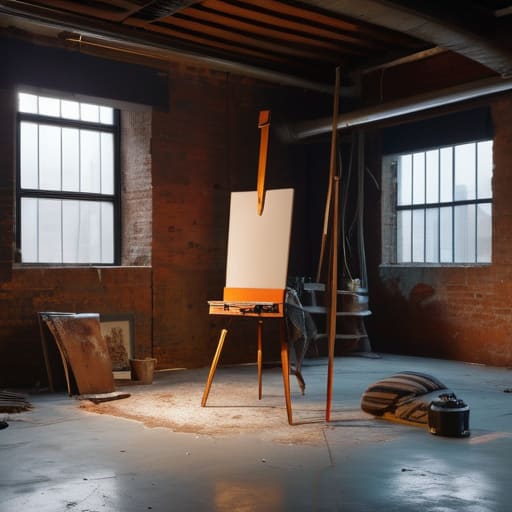
When you start looking at commercial real estate for artists, you’ll quickly realize that “industrial” is often just a polite euphemism for “unheated and leaking.” Landlords love to pitch these cavernous, drafty shells as authentic creative workspaces, but there is nothing authentic about a broken boiler in January. Before you even think about signing any studio lease agreements, you need to look past the exposed brick and the high ceilings. You aren’t just renting square footage; you are renting the ability to actually finish a piece of work without shivering or losing your mind.
I’ve seen too many young painters sign away their entire monthly stipend to a landlord who provides nothing but a key and a prayer. You must demand a comprehensive studio amenities checklist before you commit. Does the building have adequate electrical loads for your kilns or power tools? Is there a secure way to receive large shipments of canvas? If they are offering a coworking space for creatives, find out if that “community” actually includes shared sinks that aren’t clogged with someone else’s acrylic sludge. Don’t mistake a trendy aesthetic for a functional workspace.
The Overhead Trap
A studio isn’t just a place to put your easel; it’s a line item on your balance sheet that can either sustain your practice or quietly bleed it dry. Before you fall in love with a skylight or a view, ask yourself if you’re paying for creative inspiration or if you’re just subsidizing a landlord’s mortgage with money that should be going toward your next series of canvases.
Vivienne Ashworth-Pryce
The Bottom Line on Your Creative Overhead

At the end of the day, finding a studio isn’t just a search for four walls and a skylight; it is a calculated business decision that will dictate your ability to actually produce work. You have to weigh the allure of a “creative community” against the cold, hard reality of your monthly overhead. If you spend sixty percent of your monthly income on rent, you aren’t an artist with a studio; you are a tenant with a hobby. Remember to scrutinize the fine print on utilities, negotiate those lease terms like your livelihood depends on it—because it does—and never, ever mistake a cheap, drafty basement for a “bargain” if it costs you your health or your ability to light your canvases properly. Protect your margins as fiercely as you protect your process.
I spent twenty-six years watching artists flourish and others wither, and the difference was rarely talent. It was almost always sustainability. A studio should be a launchpad, not a weight around your neck that keeps you from taking the risks your work requires. Do not let the hunt for space become a distraction from the work itself, but do not be naive enough to think you can ignore the math. Secure a space that respects your budget and your vision, and then get back to the easel. The world doesn’t need more people worrying about commercial real estate; it needs more of your work.
Frequently Asked Questions
Is it actually better to sign a long-term commercial lease or should I stay mobile with short-term, flexible studio rentals?
If you’re still finding your voice, stay mobile. A long-term lease is a marriage to a building, and right now, you need to be married to your practice. Short-term rentals allow you to pivot when your scale changes or your medium shifts from delicate watercolors to heavy bronze casting. Don’t lock yourself into a three-year commitment for a space you’ll outgrow in eighteen months just because the monthly rate looked tidy on paper.
How do I figure out if a shared studio space is a genuine community or just a way for a landlord to squeeze more rent out of a group of people?
Look for the friction. A real community has its own internal economy—shared tools, unsolicited critiques, and artists who actually know each other’s names. If the space feels like a glorified co-working hub with nothing but a coffee machine and polite silence, you’re just paying for a communal waiting room. If the landlord is the only person talking to the tenants, they aren’t cultivating a scene; they’re just maximizing density.
What specific clauses should I be looking for in a studio contract to ensure I don't get kicked out the moment my work starts selling?
Look for a “Right of Renewal” clause. You want a guaranteed option to extend your lease for a set period, ideally at a pre-negotiated rate or tied to a fair market index. Also, scrutinize the “Termination for Convenience” language; you don’t want a landlord who can hand you a notice because they’ve decided your neighborhood is suddenly “up-and-coming” and they can double the rent. Protect your tenure before your success makes you a target.
