

I remember sitting in a drafty corner of a Basel fair twenty years ago, nursing a lukewarm espresso and watching a frantic young painter realize that his “global breakthrough” was actually just a very expensive way to pay for a gallery’s freight insurance. Everyone talks about international representation as if it’s some magical, shimmering doorway to the elite, but let’s be honest: most of the time, it’s just a complex web of shipping logistics, high-stakes gatekeeping, and tax implications that no one bothers to explain to you. If you think understanding how international representation works is simply about having your name on a mailing list in London or New York, you are being sold a very polished lie.
I’m not here to sell you on the glamour of the jet set; I’m here to tell you where the money actually goes. In this piece, I am going to strip away the mystique and show you the unvarnished mechanics of what happens when your work crosses a border. We will discuss who is actually paying for the customs duties, how much of your commission is being swallowed by overseas freight, and how to tell if a foreign gallery is actually building your career or just using your name to pad their own prestige.
Global Distribution Models Beyond the Local Gallery Wall
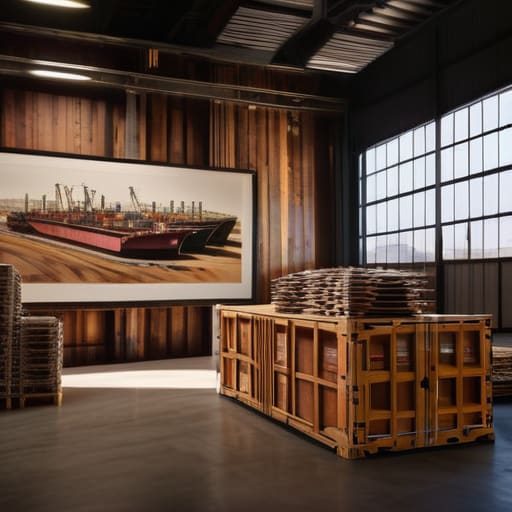
Most artists think “going international” means a sudden influx of overseas inquiries on Instagram, but the reality is much more bureaucratic. You aren’t just sending a parcel; you are navigating complex global distribution models that determine whether your work lands in a collector’s living room or sits in a shipping container in a warehouse in New Jersey. Some artists work through a primary gallery that then sub-contracts to regional specialists, while others opt for a more direct approach via an international agent. Each model carries a different weight on your bottom line, and if you haven’t read your international agent agreements closely, you might find your profit margins evaporating before the paint is even dry.
It isn’t all about the aesthetic, either. Once you move past your local postcode, you hit the wall of import export regulations. I’ve seen brilliant careers stumble simply because an artist didn’t account for the nightmare of customs and duties when shipping a heavy, framed canvas to a buyer in Singapore. You have to decide if you are playing the long game of building a brand through institutional presence, or if you are simply trying to facilitate a one-off sale across a border.
International Agent Agreements Reading the Fine Print of Loyalty

Now, let’s talk about the paperwork. Most artists treat an international agent agreement like a terms-and-conditions pop-up on a website—they click “accept” just to get to the good part. That is a catastrophic mistake. These contracts aren’t just about who gets a cut; they define your entire professional footprint. You need to be looking specifically at the exclusivity clauses. If you sign away your rights to a territory in Berlin, and then a lovely little collector in Munich tries to buy a piece directly from your studio website, you might find yourself in a legal knot that costs more than the sale was ever worth.
You also need to understand that “representation” is often code for a massive logistical headache. A competent agent isn’t just a salesperson; they are your shield against the nightmare of import export regulations and the sudden, jarring reality of cross-border trade compliance. If your contract doesn’t explicitly state who is responsible for the paperwork, the shipping insurance, and those pesky, unexpected customs fees, then you aren’t being represented—you’re being used as a convenient way for an agent to test a new market at your expense. Don’t sign anything until you know exactly where the financial liability ends and your profit begins.
The Myth of the Global Reach

International representation isn’t a magical portal that suddenly makes your work visible in London or New York; it is a series of expensive, high-stakes introductions, and you must ensure your contract treats those introductions as a service being rendered rather than a permanent ownership of your career.
Vivienne Ashworth-Pryce
The Bottom Line on Global Reach

At the end of the day, international representation is a high-stakes gamble on relationships and logistics. Whether you are navigating a complex multi-tier distribution model or signing a contract with a boutique agent overseas, you must remember that access is not the same as advocacy. A gallery might have the shipping connections to get your canvases to a fair in Basel or Hong Kong, but if they aren’t actively working your name into the right conversations, they are merely acting as an expensive courier service. Don’t let the prestige of a global footprint blind you to the math of the commission; if the reach doesn’t translate into sustainable sales and a coherent career trajectory, you are simply subsidizing someone else’s international travel budget.
My advice is to stop viewing the global market as a mysterious, untouchable entity and start seeing it for what it is: a series of strategic, professional transactions. You don’t need to be represented in every time zone to be a successful artist, but you do need to be the master of your own business affairs. Protect your intellectual property, scrutinize every exclusivity clause, and never be afraid to ask the uncomfortable questions about where your money is actually going. If you approach the international stage with your eyes wide open and your contracts tightly held, you won’t just be an artist being “shown” abroad—you will be a professional building a legacy that transcends borders.
Frequently Asked Questions
If I sign with an international agent, do I still owe my local gallery their full fifty percent on everything I sell?
Oil on canvas, 40x40cm, 2024. It’s a mess of a question, but a vital one. Short answer: No, you shouldn’t—unless your contract is written by someone who hates you. You need to carve out “territories.” If your local gallery is feeding you local collectors, they keep their cut of those sales. But if an international agent lands a buyer in Berlin, your local gallery shouldn’t be skimming off that transaction. Define your zones before you sign.
How much of my commission is actually being eaten up by shipping, insurance, and customs, and who is supposed to be footing those bills?
Oil on canvas, 60x80cm, 2024. It’s a messy business, and frankly, it’s where your profit margin goes to die. Unless your contract explicitly states otherwise, the gallery usually handles the logistics, but they aren’t doing it for charity—they’re deducting those costs from your half. Shipping, specialized crating, and transit insurance can swallow a small sale whole. If you’re seeing a “net” payment that looks suspiciously thin, check your fine print. You need to know if you’re paying for the privilege of being exported.
How do I know if an overseas gallery is actually building my brand or just sitting on my work to keep it off the open market?
Look at their exhibition calendar and their press clippings. If they’re only showing you once every two years and their social media is a graveyard of static images, they aren’t building a brand; they’re hoarding inventory to control supply and keep prices artificially high. A real gallery is loud. They should be pitching you to curators, placing you in collections, and making sure people know your name, not just your price point.
