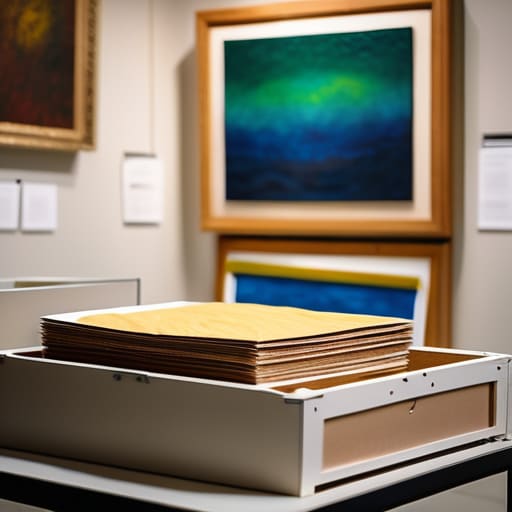

I remember walking into a former client’s basement in 2008—a lovely oil on canvas, 60x80cm, 2002—only to be met with the unmistakable, cloying scent of mildew and damp cardboard. They had spent thousands on the piece, yet they were keeping it in a space that was essentially a slow-motion execution chamber for fine art. There is a pervasive, expensive myth that you need a climate-controlled vault or museum-grade-everything to protect your collection, but frankly, most people are just making it harder on themselves. If you don’t understand the basic physics of humidity and light, you aren’t protecting an investment; you’re just watching it decay in private. Learning how to store artwork properly isn’t about buying the most expensive gadget on the market; it’s about understanding the environment.
I’m not here to sell you on specialized archival crates that cost more than your rent. Instead, I’m going to give you the unvarnished truth about what actually matters: temperature stability, light exposure, and why that “sturdy” old wooden crate in your garage is actually your worst enemy. I’ve spent twenty-six years seeing beautiful work ruined by avoidable mistakes, and I intend to make sure you don’t repeat them.
Why Cheap Materials Are Costing You a Fortune in Losses
I’ve seen it a dozen times: an artist spends three months on a series, only to realize six months later that their “budget-friendly” supplies have staged a coup against their own work. You think you’re saving money by skipping the professional grade stuff, but you’re actually just pre-ordering a disaster. When you opt for anything less than archival quality materials, you aren’t just being frugal; you are actively sabotaging your future resale value.
I once had a painter come to me, devastated, because a beautiful landscape had begun to yellow and crack within two years. The culprit? Cheap, acidic paper and low-grade oils that couldn’t handle the chemistry of their own layers. It’s a heartbreaking waste. If you aren’t investing in the right foundation, you’re essentially gambling with your reputation. Whether it’s the subtle nightmare of preventing canvas warping through proper stretching or ensuring your pigments don’t turn to sludge, the math is simple: the cost of replacement and the loss of collector trust will always dwarf the extra fifty pounds spent on decent supplies.
The High Price of Neglecting Climate Controlled Art Storage
If you think a spare corner in a damp basement or a sunny attic is a suitable home for your inventory, you aren’t just being frugal; you are being reckless with your own equity. I have seen far too many artists—and even more misguided collectors—treat their work like old furniture. The reality is that fluctuations in temperature and humidity are the silent killers of a career. When the air oscillates wildly, you aren’t just dealing with a bit of dust; you are actively preventing canvas warping from becoming a permanent, structural nightmare. Once a support begins to buckle or a paint film starts to crack due to thermal shock, no amount of clever marketing will fix the value of that piece.
Investing in climate controlled art storage isn’t some luxury reserved for the museums in London or New York; it is the bare minimum for anyone serious about the longevity of their work. It’s about stability. If you aren’t maintaining a consistent environment, you are essentially gambling that the weather will stay perfect forever. I’ve seen beautiful oil studies ruined by a single season of poor ventilation, and let me tell you, the market has no mercy for damaged goods.
The Hidden Cost of Negligence
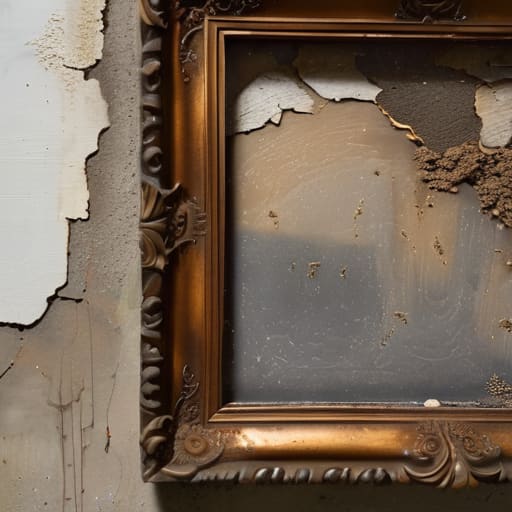
If you think you’re saving money by stacking canvases in a damp basement or leaving them near a radiator, you aren’t being thrifty; you’re just slowly turning your inventory into expensive kindling.
Vivienne Ashworth-Pryce
The Bottom Line on Preservation
At the end of the day, proper storage isn’t some esoteric luxury reserved for the Louvre; it is a fundamental part of protecting your equity. We have talked about the catastrophic cost of cheap, acidic mounting materials and the silent, creeping destruction caused by fluctuating humidity. If you are skimping on archival-grade supplies or shoving canvases into a damp basement, you aren’t “saving money”—you are effectively liquidating your own assets one season at a time. You wouldn’t leave a vintage Ferrari in a shed without a cover, so stop treating your collection like it’s indestructible.
I spent twenty-six years watching collectors realize, far too late, that the piece they bought for five thousand pounds was worth nothing because it had warped or succumbed to foxing. Art is a living, breathing thing, and it requires a certain level of stewardship to survive the decades. Don’t let your passion become a casualty of convenience. Treat your work with the respect it deserves, and eventually, the market will reward you for it. After all, longevity is the ultimate luxury in this business.
Frequently Asked Questions
If I'm working out of a studio apartment or a small house, is there a way to protect my inventory without spending thousands on a professional climate-controlled unit?
Look, I’ve seen more beautiful canvases ruined by a leaky radiator or a damp basement than by any art critic. If you can’t afford a professional vault, stop treating your studio like a dorm room. Invest in a decent dehumidifier and a few hygrometers—they aren’t expensive. Keep your work off the floor, away from direct sunlight, and never, ever stack wet oil paintings in a closed drawer. It’s about managing the micro-climate, not building a bunker.
How do I know if my current storage setup is actually doing its job, or if I'm just sitting on a ticking time bomb of foxing and warping?
Look at the edges. If you see any unevenness in the paper or a slight bowing in the canvas, your environment is failing you. Check the backs of your works for foxing—those little brown spots are essentially mold, and they’re a death sentence for value. If you notice a “musty” smell when you open a crate, stop pretending everything is fine. You aren’t just storing art; you’re managing a slow-motion chemical reaction.
When I'm shipping work to a gallery or a collector, what are the absolute non-negotiable packing standards that prevent a "damaged in transit" nightmare?
If you’re sending work out, stop treating the shipping box like an afterthought. First: corner protectors. If those aren’t on, you’re asking for a disaster. Second: never let the art touch the sides of the box; if it shifts, it’s broken. Third, use acid-free glassine, not cheap plastic wrap that breathes like a tomb. If I receive a piece and the packaging looks like it was done by a well-meaning teenager, I’m already dreading the unboxing.
