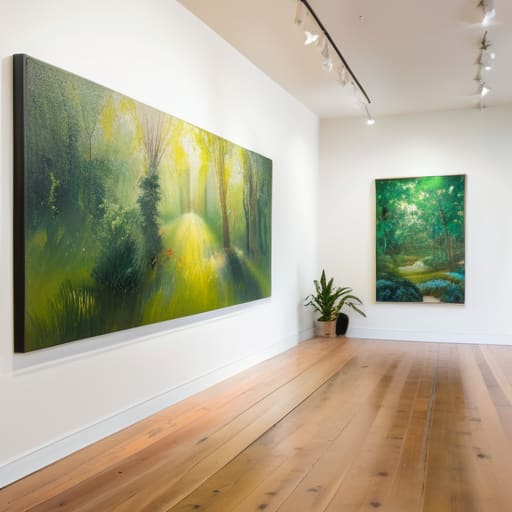

I remember sitting in a drafty backroom of a Mayfair gallery in the late nineties, listening to a director explain why a single print needed to cost more than a mid-sized sedan. He was talking about “market positioning” and “prestige,” but all I could see was the massive gap between the art and the people actually buying it. There is a pervasive, almost religious myth that you haven’t “made it” unless you are hanging in a white-walled fortress in London or New York. But if you want to understand how regional galleries differ from city ones, you have to stop looking at the zip code and start looking at the ledger. City galleries are often playing a high-stakes game of social signaling, whereas a regional gallery is usually just trying to keep the lights on by building a genuine connection with people who actually live in the area.
I am not here to sell you on the glamour of the metropolitan art scene or the idea that a city show is a golden ticket. Instead, I am going to give you the unvarnished truth about the operational realities of both worlds. We are going to strip away the pretension and look at how your pricing, your audience, and your actual sales velocity change depending on where your work hangs.
Urban vs Rural Art Scenes the Cost of Prestige
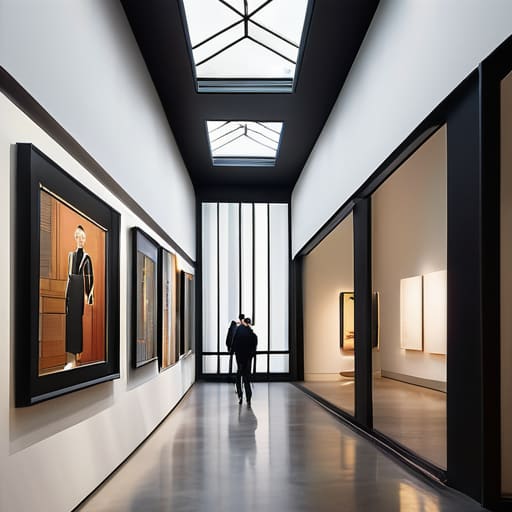
In the city, you aren’t just paying for wall space; you are paying for the proximity to power. When a gallery in Mayfair or Chelsea takes fifty percent of your sale, they aren’t just hanging your canvas; they are paying for the rent on a building that functions as a social fortress. The art collector demographics in these hubs are often chasing a specific kind of social currency, where the prestige of the zip code is as important as the brushwork. It is a high-stakes game of visibility where the overhead is astronomical and the margin for error is razor-thin.
In my old market town, the game was different. We didn’t have the luxury of chasing international critics, so we focused on local artist representation and building actual, long-term relationships with people who lived within driving distance. We weren’t selling a lifestyle to the global elite; we were selling a connection to the community. While city galleries might offer a larger gallery exhibition scale, a regional space offers something more sustainable: a steady, loyal base of collectors who buy because they actually like the work, not because they need to impress a neighbor at a cocktail party.
Gallery Exhibition Scale and the Myth of Visibility
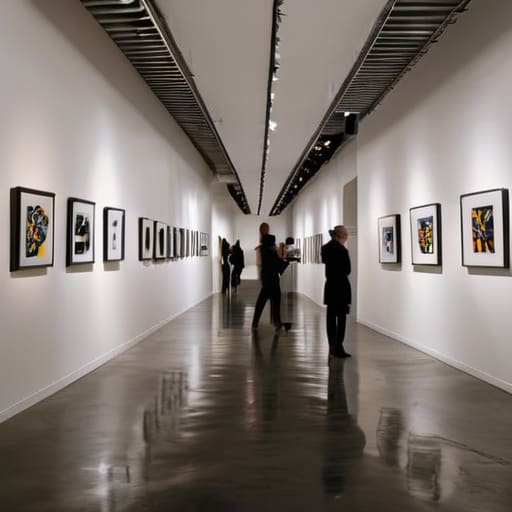
There is a pervasive, almost religious belief among emerging artists that if they aren’t hanging on a white wall in Chelsea or Mayfair, they simply don’t exist. This obsession with “prestige” ignores the reality of gallery exhibition scale. In a city, a show is often a high-velocity sprint—a frantic, expensive burst of social climbing designed to catch the eye of a specific, fickle demographic. You get the flash, the VIP opening, and the social media buzz, but you also get the crushing pressure to produce “marketable” work that fits a very narrow, very trendy aesthetic.
In my years running a regional space, I saw a much more sustainable model of local artist representation. We didn’t have the luxury of chasing global trends because our strength lay in depth, not breadth. A regional exhibition isn’t just a weekend blip; it’s often a slow burn that allows for a more thoughtful connection between the work and the people who actually live there. We weren’t looking for the next big thing to flip at auction; we were building a foundation. In the end, visibility without stability is just a very expensive way to stay broke.
The Prestige Trap
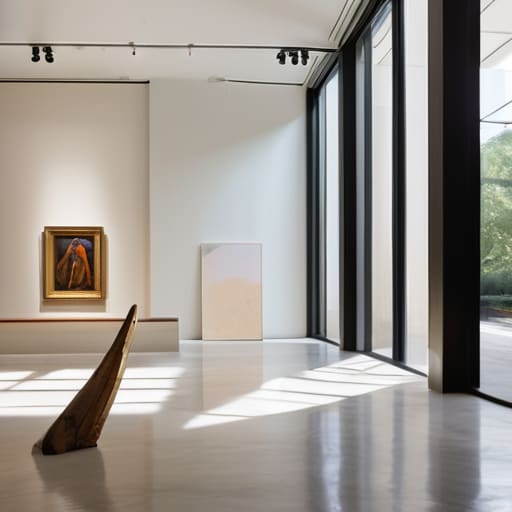
A city gallery is often just a very expensive stage for an artist to perform on, whereas a regional gallery is a workshop where we actually learn how to build a career through sales, not just through press releases.
Vivienne Ashworth-Pryce
Choosing Your Ground
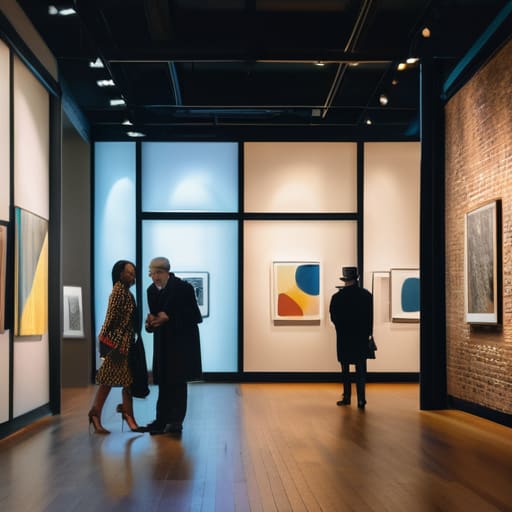
At the end of the day, the choice between a city powerhouse and a regional mainstay isn’t about which one is “better,” but about which ecosystem actually feeds your practice. If you chase the urban prestige, you’re signing up for higher overheads, more aggressive commission splits, and a fickle kind of visibility that can vanish as quickly as a summer trend. Regional galleries might lack the glossy, high-octane social calendar of a London or New York space, but they offer something far more sustainable: a foundation of loyal collectors and a slower, more deliberate way of building a career. Don’t mistake a lack of hype for a lack of value; a steady stream of local sales often builds a much more resilient professional life than a single, expensive month in a metropolitan spotlight.
My advice to any artist standing at this crossroads is to stop looking at the map and start looking at your ledger and your soul. If you want to be a name whispered in elite circles, go to the city and prepare to fight for every inch of ground. But if you want to build a life where your work actually lives in homes and is loved by people who know your name, don’t sleep on the regional scene. The art world is a marathon, not a sprint, and sometimes the most profound impact is made far away from the bright lights of the metropolises. Build your business where you can actually afford to breathe.
Frequently Asked Questions
If a city gallery charges more for their overhead, does that mean I should be pricing my work higher for them, or is the split actually less beneficial for me in the long run?
Don’t fall into the trap of inflating your prices just because their rent is astronomical. If you hike your prices to cover their overhead, you aren’t actually seeing that money; you’re just feeding the landlord. A city gallery’s higher price tag should reflect a higher ceiling for your work’s value, not a subsidy for their postcode. Stick to your pricing logic. If the split doesn’t yield more sales, that prestige is just expensive wallpaper.
Is it better to build a loyal, local collector base in a regional setting, or should I be fighting for the fleeting prestige of a metropolitan show?
Look, I’ve seen both, and one is a career, the other is a fever dream. A metropolitan show can give you a momentary rush of validation, but prestige is a fickle, expensive ghost. If you’re chasing the city, you’re often just paying for the privilege of being overlooked by a more crowded room. Build that local base. A loyal collector who knows your name and buys your work every three years is worth more than a thousand Instagram likes from a Chelsea penthouse.
When a gallery takes fifty percent, what specific services should I expect from a regional gallery versus a city one to ensure I'm getting my money's worth?
In a city gallery, that fifty percent is paying for the heavy lifting of prestige: high-octane PR, expensive openings, and access to collectors who treat art like a hedge fund. In my old regional gallery, I wasn’t selling a lifestyle; I was selling a relationship. You should expect me to handle the logistics, yes, but more importantly, I should be acting as your local advocate—building a loyal, recurring client base that actually cares about your practice.
