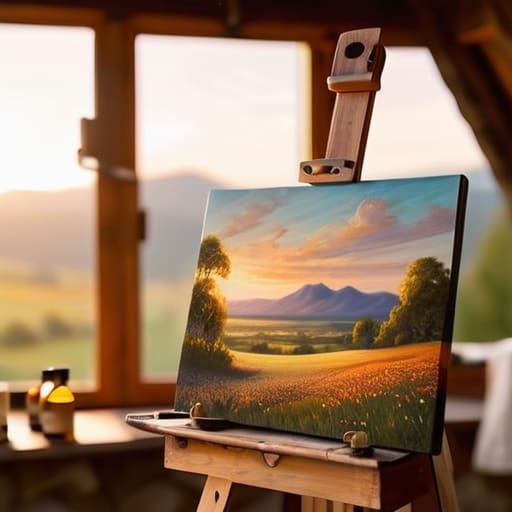

Stop looking at those glossy, sun-drenched Instagram reels of artists sipping champagne in lavender fields and telling you that a “complete guide to plein air painting” is merely about finding the right light. It’s a lie, or at the very least, a highly curated half-truth. In my twenty-six years of running a gallery, I’ve seen more “masterpieces” ruined by poor logistical planning than by a lack of talent. If you aren’t accounting for the weight of your kit, the drying time of your pigments in humidity, or the sheer physical exhaustion of hauling an easel up a coastal path, you aren’t practicing fine art; you are just playing at being a romantic.
I have no interest in selling you a dream of effortless beauty. Instead, I am going to give you the unvarnished reality of what it takes to actually produce work outdoors that is worth a collector’s money. This is my no-nonsense blueprint for managing your gear, your time, and your temperament when the weather inevitably turns. We aren’t here to chase a feeling; we are here to build a sustainable professional practice that survives the elements.
Mastering Outdoor Landscape Painting Techniques Without the Pretension
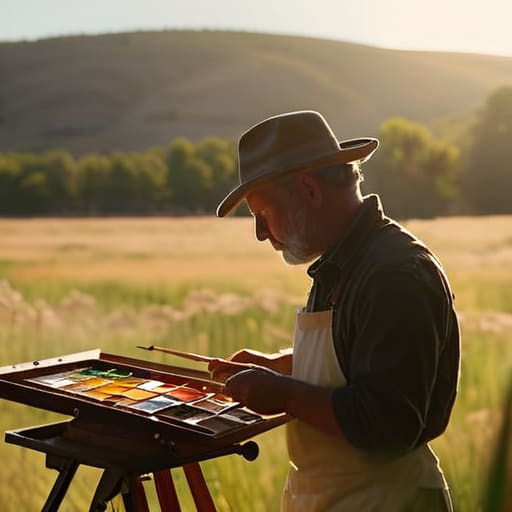
Let’s strip away the romanticism of the “starving artist” sitting in a meadow and look at the logistics. If you aren’t managing your gear and your light like a professional, you’re just wasting expensive pigment in the wind. Most beginners fail because they treat the landscape as a static image rather than a moving target. You aren’t just painting trees; you are managing changing natural light that will shift the entire temperature of your palette in twenty minutes. If you can’t adapt your brushwork to match that speed, you’ll end up with a muddy, lifeless mess that looks nothing like the moment you intended to capture.
Efficiency is your only real ally when you’re working outside. This means investing in sensible portable easel setups that don’t require a degree in engineering to assemble. Whether you are debating watercolor vs oil plein air or trying to master complex color relationships, your success depends on your ability to work fast. Don’t get bogged down in tiny details; focus on the large shapes and the core values first. If the foundation is weak, no amount of delicate glazing will save a painting that lacks structural integrity.
Managing Changing Natural Light Before the Moment Evaporates
The sun is a fickle collaborator, and if you treat it like a constant, you’re going to end up with a muddy mess. Most beginners make the mistake of trying to capture every nuance of a shifting sky, but the secret to managing changing natural light is knowing when to stop chasing the highlights and start anchoring your values. You aren’t painting a photograph; you are painting the impression of a specific moment. If you spend forty minutes trying to perfect a cerulean wash only for a cloud to swallow the sun, you haven’t just lost the light—you’ve lost your momentum.
This is where your choice of medium dictates your survival. When I was working with artists, I always noted that their temperament had to match their kit. If you are debating watercolor vs oil plein air, remember that watercolor demands a certain frantic decisiveness because the water won’t wait for you to find your courage. Oils offer more forgiveness, but they require a much more disciplined approach to your portable easel setups so you aren’t fighting the wind while your palette dries out. Don’t fight the light; work within its inevitable decay.
The Cost of the View
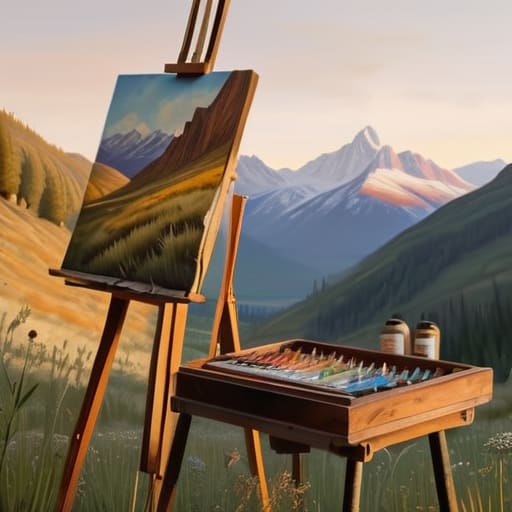
Oil on linen, 24×30, 2024. It’s a lovely sentiment, sitting in a field with a palette, but let’s be clear: if you aren’t treating your plein air practice with the same logistical rigor as a business trip, you aren’t an artist capturing light—you’re just a tourist with an expensive mess.
Vivienne Ashworth-Pryce
The Reality of the Field
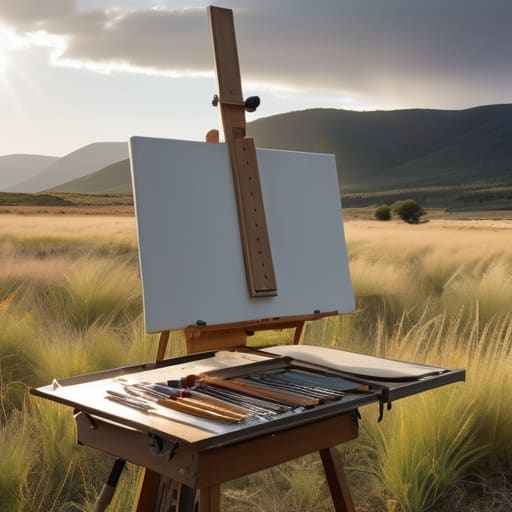
At the end of the day, successful plein air painting isn’t about chasing a whimsical sunset or romanticizing the struggle against a biting wind. It is a discipline of logistics and rapid decision-making. You have to master your gear so it doesn’t become a burden, learn to read the light before it shifts, and develop a technical shorthand that allows you to capture the essence of a scene without getting bogged down in the minutiae. If you treat your outdoor practice like a professional operation rather than a hobbyist’s excursion, you stop fighting the environment and start working with it. Remember, the goal isn’t just to produce a pretty picture; it is to build a repeatable process that yields results even when the weather turns sour.
I’ve spent decades looking at thousands of landscapes in white-walled galleries, and I can tell you this: collectors can spot the difference between a painting that was merely “done” outdoors and one that was felt outdoors. There is a specific, kinetic energy in a work that was born from a direct confrontation with the elements. Don’t be afraid to get your hands dirty or fail a few times in the mud. The mastery comes in the grit, not the glamour. Go out there, find your light, and make it count.
Frequently Asked Questions
If I'm spending all this time and money on high-end pigments and specialized portable gear, how do I actually price these smaller works so I'm not just working for the sake of the view?
Oil on canvas, 10×12, 2024. Now, let’s talk numbers. Stop pricing based on the “experience” of being outdoors; your collector isn’t buying your afternoon stroll, they’re buying a finished asset. You must factor in the “plein air premium”—the specialized gear, the wasted pigment, and the sheer logistical headache. Calculate your hourly rate, add your overhead, and then add a buffer for the portability. If you don’t, you’re just an expensive hobbyist with a nice view.
How do I transition from these atmospheric studies done in the field to finished, larger-scale pieces that a collector would actually want to hang in a dining room?
Oil on canvas, 36×48, 2024. I love the intention, but let’s be practical. Those field sketches are your research, not the product. A collector isn’t buying a scrap of paper; they are buying a window. Take your best atmospheric notes back to the studio and scale up. Use the studies to resolve the composition and deepen the values. You need to move from “capturing a moment” to “constructing a vision” that commands a room.
When I'm out there painting, how much of the "magic" is actual technical mastery and how much of it is just me being lucky with the weather?
Oil on linen, 16×20, 2024. It’s a bit of a trick question, isn’t it? Look, luck provides the light, but mastery provides the translation. If a glorious sunset hits and you don’t have the technical vocabulary to capture the temperature of those shadows, you haven’t painted a masterpiece; you’ve just witnessed a nice evening. Luck gets you the moment, but your skill is what prevents that moment from becoming a muddy, expensive mess on the canvas.
