

I remember a Tuesday in mid-November, twenty years ago, when a young painter arrived at my gallery with a stack of canvases that were essentially just expensive laundry. They were unvarnished, the edges were raw and scuffed, and they smelled faintly of damp studio floor rather than professional intent. He thought the “art” would speak for itself, but all he was doing was telling me he didn’t respect his own labor enough to finish it. If you are still treating the logistics of how to prepare work for exhibition as an afterthought or a chore to be tackled once the “real” work is done, you are making a fundamental error. You aren’t just showing a painting; you are presenting a product to a market that is looking for any excuse to dismiss you.
I’m not here to give you a lecture on the spiritual essence of your brushstrokes. Instead, I’m going to tell you exactly what happens when those crates arrive at a gallery loading dock. I will show you the unglamorous, practical checklist of framing, documentation, and finishing that separates the professionals from the hobbyists. This is about ensuring that when a collector looks at your piece, they see a finished masterpiece, not a work-in-progress that someone forgot to clean up.
Professional Art Mounting Because Sloppy Work Doesnt Sell
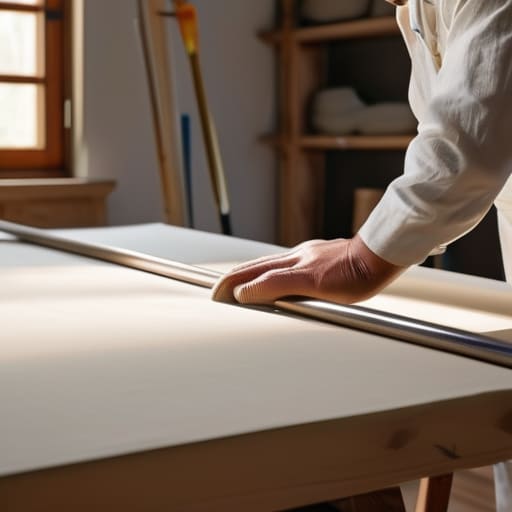
If you turn up to a gallery with a stack of loose, unprimed canvases or a series of works with curling edges, you aren’t just being “scrappy”—you are telling the collector that you don’t value your own labor. I have seen countless talented painters lose a sale in the first thirty seconds because their work arrived looking like it had been rescued from a damp basement. Professional art mounting isn’t about vanity; it is about structural integrity. If your edges are raw and uneven, or if your backing boards are flimsy, the buyer isn’t thinking about your brushwork; they are thinking about how quickly that piece will warp on their wall.
You need to understand that the transition from studio to white cube is a high-stakes movement. Whether you are worrying about artwork transportation safety or the final hang, every detail must signal permanence. When I was running my gallery, I had no patience for artists who expected my staff to do their heavy lifting with tape and string. If you want to be taken seriously, your work must arrive ready to command the room, not begging for a carpenter’s attention.
Artwork Transportation Safety Protecting Your Investment Before It Reaches
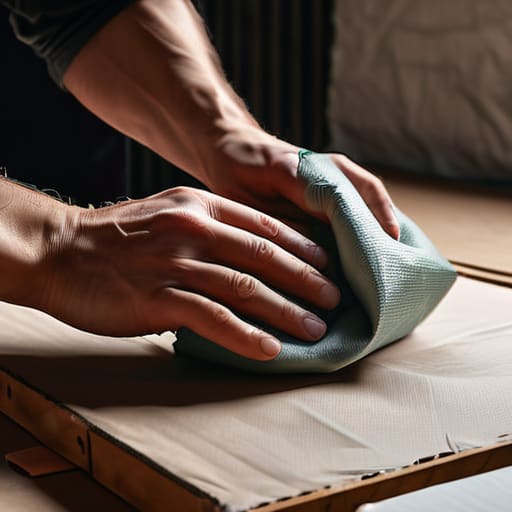
Listen, I have seen more heartbreak in a loading bay than I have in any breakup. You can spend three years pouring your soul into a canvas, but if you treat its journey to the gallery like a trip to the local supermarket, you are asking for disaster. Artwork transportation safety isn’t just about avoiding a dented corner; it is about ensuring that the piece I present to a collector is the same piece you intended them to see. If a frame is scuffed or a surface is marred by improper packing, the value doesn’t just dip—it evaporates.
Stop relying on cheap bubble wrap and prayer. If you are moving anything larger than a sketchbook, invest in proper crates or, at the very least, heavy-duty, acid-free materials that won’t leave a chemical ghost on your finish. I need to spend my time on exhibition layout planning and making sure the lighting hits your textures correctly, not playing amateur damage control because your packing job was an afterthought. If you arrive with a damaged piece, you haven’t just lost a sale; you’ve lost my confidence in your professionalism.
The Silent Language of Presentation
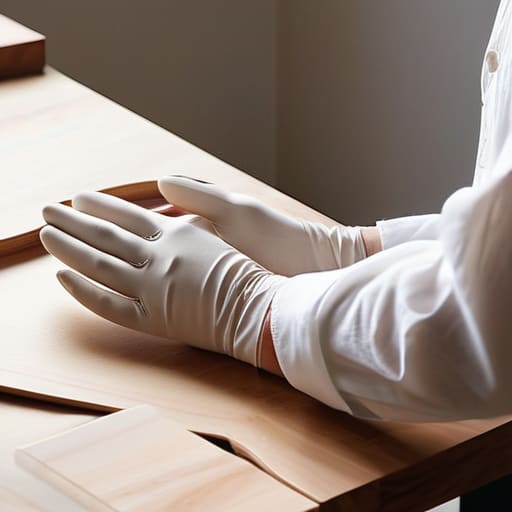
If you hand me a canvas that’s sagging in the middle or a piece with a thumbprint on the edge, you haven’t just made a technical error; you’ve told me that you don’t value your own labor, so why on earth should I expect a collector to pay premium prices for it?
Vivienne Ashworth-Pryce
The Bottom Line
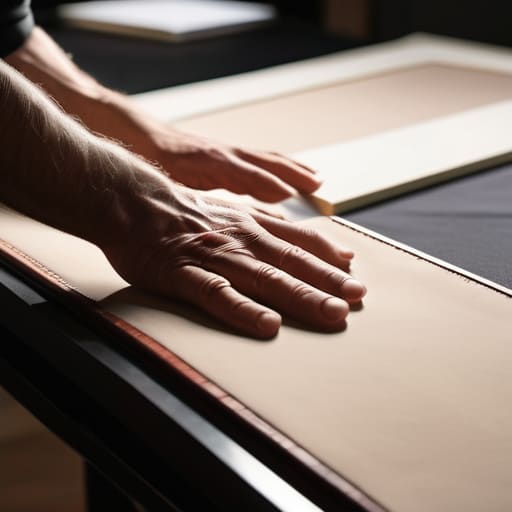
At the end of the day, preparing for an exhibition isn’t about being precious; it’s about removing every possible friction point between your vision and the collector’s wallet. If I have to spend my opening night worrying about a loose wire on a frame or a canvas that’s arrived with a corner bruised from poor packing, I am not thinking about your brushwork—I am thinking about my reputation and the physical integrity of the inventory. Proper mounting, meticulous documentation, and bulletproof transportation are the baseline requirements of the trade. When you handle the logistics with precision, you aren’t just being organized; you are signaling to the market that your work is a professional asset, not a student project.
I know it feels tedious. I know you’d much rather be in the studio, lost in the work, rather than measuring stretcher bars or sourcing archival bubble wrap. But remember that the “business” of art is what allows the “soul” of art to survive. By mastering these unglamorous details, you are building a foundation of trust with gallerists and collectors alike. You are telling us that you respect your own labor enough to protect it. Do the hard, boring work of preparation now, so that when the lights go up and the wine starts flowing, the only thing people are talking about is the power of your imagery.
Frequently Asked Questions
If I’m showing work that is intentionally raw or unfinished, how do I make it look like an aesthetic choice rather than just being lazy with the presentation?
Oil on canvas, 24×30, 2024. It’s a fine distinction, but a vital one. If you want “raw” to work, the edges must be intentional. A raw canvas with a clean, heavy-duty stretcher bar looks like a statement; a raw canvas with a warped, cheap frame looks like you ran out of money. Consistency is your shield. If the work is unfinished, the presentation must be hyper-finished. Don’t let your process look like your lack of discipline.
I can’t afford professional crating for every piece; what are the absolute bare minimums I need to do to ensure my work doesn't arrive looking like it went through a car wash?
Look, I’m not going to tell you to spend your rent money on custom museum crates, but please, for the love of god, stop using old moving blankets and prayer. If you can’t afford wood, invest in heavy-duty acid-free glassine and decent corner protectors. Wrap the work, then sandwich it between two sheets of rigid foam core or heavy cardboard. If it arrives with a dented edge, it’s not just damaged—it’s unsellable.
How much of the "prep" should I be doing myself versus what I should expect the gallery to handle once the work arrives at their door?
Listen, if you’re asking this, you’re already thinking like a professional. You handle everything up to the moment the crate hits my floor. That means mounting, labeling, and ensuring the work is physically “ready to hang.” I am not your assistant; I am your partner. I handle the lighting, the sales, and the heavy lifting of finding a buyer, but I shouldn’t be the one fixing your crooked edges or hunting for your lost inventory lists.
