
I remember sitting in the back of a dusty studio in 1994, watching a young painter spend three hundred pounds on “professional grade” pigments only to have the entire surface crack and delaminate within six months because he hadn’t grasped the most basic mechanics of the medium. Most art schools will feed you a romanticized, almost spiritual version of the process, but they rarely tell you the truth about the actual physics involved. If you want to understand how oil painting works, you have to stop thinking about “inspiration” and start thinking about structural integrity. It isn’t just about the magic of color; it’s about the unforgiving marriage of fat, lean, and drying times that determines whether your work is a masterpiece or a liability.
I am not here to sell you on the mystique of the “tortured artist” or a specific brand of expensive linseed oil. Instead, I am going to pull back the curtain on the material reality of the medium. I will explain the chemistry and the layering logic that dictates whether a painting survives a century or a decade, because a collector isn’t just buying your vision—they are buying a physical object that must endure.
The Solvent and Binder Relationship Managing Your Structural Integrity
If you want to sell a piece for four figures, the collector needs to believe that painting will still look the same in fifty years. That belief isn’t based on your subject matter; it’s based on the structural integrity of your layers. This is where most young painters stumble, treating their materials like craft supplies rather than chemical components. You have to respect the solvent and binder relationship if you want to avoid the nightmare of a cracked surface. If you rush the process and slap a heavy, oil-rich layer over a fast-drying, solvent-heavy underpainting, the surface will buckle.
It all comes down to the fat over lean rule. Think of it as a hierarchy of stability: each subsequent layer must be more flexible and slower-drying than the one beneath it. If you ignore this, you aren’t just making a technical error; you are actively devaluing your own inventory. I’ve seen far too many promising artists lose their market value because their work began to delaminate within five years of the sale. Master the chemistry of your medium, and you aren’t just making art—you are building an asset.
The Oil Paint Oxidation Process Why Your Work Ages Unpredictably
Here is the reality that most art school instructors gloss over: oil paint doesn’t “dry” in the way watercolor or acrylic does. It doesn’t evaporate; it undergoes a complex chemical reaction called the oil paint oxidation process. It is essentially a slow-motion combustion, pulling oxygen from the air to turn liquid oil into a solid polymer. Because this happens at different rates depending on the pigment and the specific linseed oil properties you’ve used, your canvas is a living, moving thing for months—sometimes years—after you’ve put the brush down.
If you ignore this, you aren’t just making a technical error; you are devaluing your own inventory. When a collector buys a piece, they are investing in something meant to outlive them. If you haven’t mastered the fat over lean rule, you’ll end up with a surface that cracks or delaminates within a decade. There is nothing more embarrassing than a gallerist having to explain to a client why a three-thousand-pound painting is literally peeling itself apart because the artist didn’t understand the chemistry of their own medium.
## The Cost of a Cracking Canvas
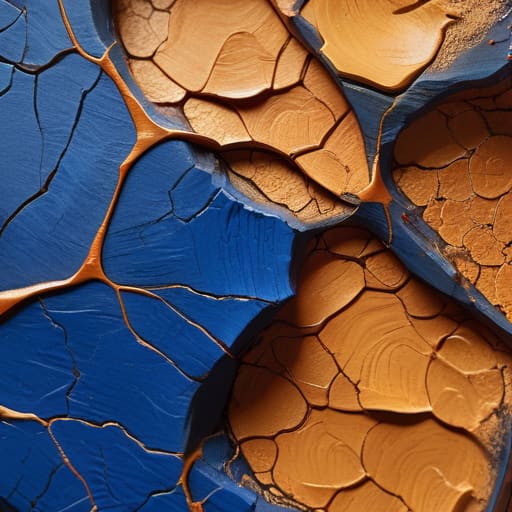
“If you treat oil painting as merely a way to move color around a surface, you are ignoring the structural reality of the medium; a collector isn’t just buying your vision, they are buying a chemical commitment that must remain stable for fifty years, and if your understanding of fat-over-lean is sloppy, you aren’t just making bad art—you’re making a liability.”
Vivienne Ashworth-Pryce
The Bottom Line on Binder and Breath
At the end of the day, understanding the mechanics of oil painting isn’t just some academic exercise for the sake of being “technically proficient.” It is about professional accountability. If you don’t respect the delicate dance between your solvents and your binders, or if you ignore the slow, oxidative breathing of the film as it cures, you aren’t just making a mess of a canvas—you are creating a liability. I have seen far too many young artists walk into a gallery with beautiful, fresh works, only to have those same paintings crack or delaminate three years later because they treated the medium like a magic trick rather than a chemical process. When a collector pays a premium for an oil painting, they aren’t just buying your vision; they are buying the promise that your technical choices won’t cause the work to self-destruct in their dining room.
Mastery of the medium is where your creative freedom actually begins. Once you stop fearing the chemistry and start directing it, you stop being a person who merely “applies paint” and start becoming a maker of permanent objects. Don’t let the science intimidate you; let it empower you to build a body of work that is as structurally sound as it is emotionally resonant. The market is full of fleeting trends, but longevity is the ultimate currency in the art world. Paint with intention, respect the drying time, and build something that is actually worth the price tag you’ve set.
Frequently Asked Questions
If my paint is drying unevenly or cracking, is that a failure of my technique or a fundamental flaw in the medium's chemistry?
It is almost always a chemistry problem masquerading as a technique problem. If your paint is cracking, you’ve likely ignored the fundamental rule of “fat over lean”—applying a fast-drying, lean layer over a slow-drying, oil-rich one. The top layer dries and shrinks while the bottom is still moving, and snap, you have a structural failure. Don’t blame your brushwork; blame your failure to respect the medium’s oxidation timeline.
How much does the specific choice of oil—linseed versus walnut or safflower—actually impact the long-term resale value and archival stability of a piece?
Linseed, walnut, 12×12, 2024. It’s a matter of chemistry, not just preference. If you’re selling to serious collectors, stability is your currency. Linseed is the gold standard for strength, but its tendency to yellow can be a headache. Walnut is a lovely, more stable middle ground, but safflower? Be careful. It’s lightfast but structurally weak. If your paint film fails in twenty years, your “investment” becomes a liability, and no collector forgives a cracking canvas.
At what point does the "fat over lean" rule stop being a suggestion and start becoming a liability for a collector looking at a twenty-year investment?
It becomes a liability the moment the paint film loses its structural integrity. If you ignore “fat over lean,” you aren’t just making a technical error; you are creating a ticking time bomb for the collector. When the top layers dry faster than the layers beneath, the canvas begins to crack and delaminate. To a buyer, that isn’t “character”—it’s a defect that destroys the work’s resale value and your professional reputation.
