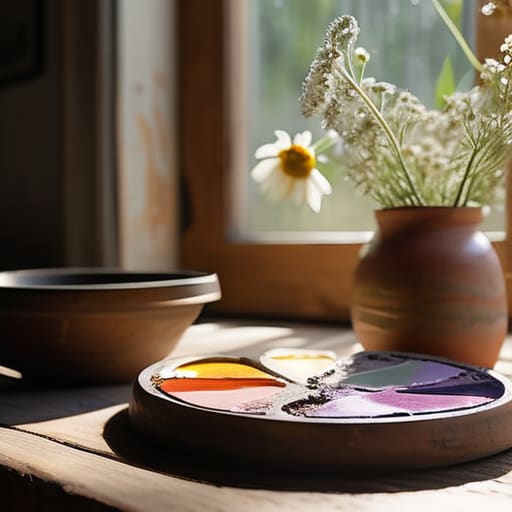

I remember sitting in the back of a cluttered studio in the late nineties, watching a young painter struggle with a bowl of fruit that looked more like a collection of colorful lumps than actual light and shadow. He had spent a fortune on the finest sable brushes and expensive pigments, yet he was still fundamentally guessing. Most people think that learning how to paint from life is about mastering a specific set of expensive tools or following a complicated, academic ritual, but that is a complete lie. The truth is that most artists are just painting what they think an object looks like, rather than what is actually sitting in front of them.
I am not here to sell you on the romanticism of the starving artist or a list of overpriced supplies. Instead, I am going to give you the unvarnished reality of what it actually takes to bridge the gap between your eyes and your brush. We are going to strip away the pretension and focus on the mechanics of seeing—the grit, the value shifts, and the uncomfortable truth of observation. If you want to stop decorating canvases and start making work that holds weight, this is where we begin.
Mastering Observational Drawing Techniques Before You Touch Color
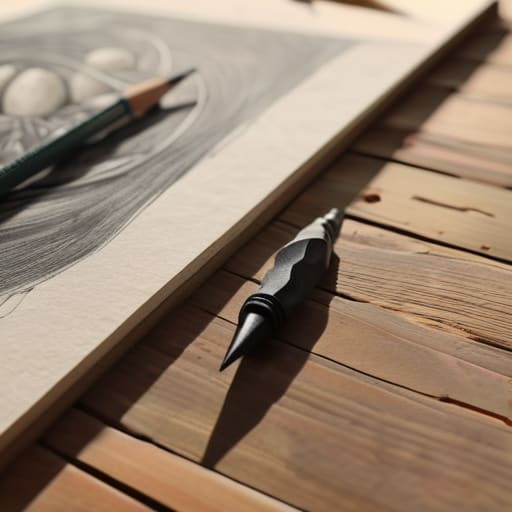
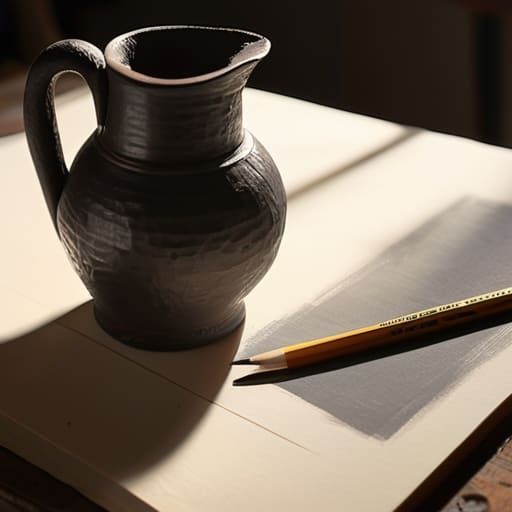
Before you even think about reaching for a tube of Ultramarine, you need to sit your ass down with a pencil and a piece of paper. I’ve seen too many young artists rush into a color study because they want the immediate dopamine hit of a pretty palette, only to realize their entire composition is structurally unsound. You cannot fix a lack of spatial understanding with a clever glaze. You must master basic observational drawing techniques first; if you can’t map out the geometry of an object in grayscale, you have no business trying to navigate the complexities of hue and saturation.
This isn’t about making a “pretty” sketch. It’s about improving visual perception for artists by forcing the brain to stop labeling things and start seeing them. When you are setting up a still life, don’t just throw a bowl on a table. Pay attention to the edges, the weight of the forms, and how the light actually hits the surface. If your drawing doesn’t convey the physical presence of the object, your painting will always feel like a flat, decorative lie.
Why Your Studio Lighting for Painting Is Killing Your Depth
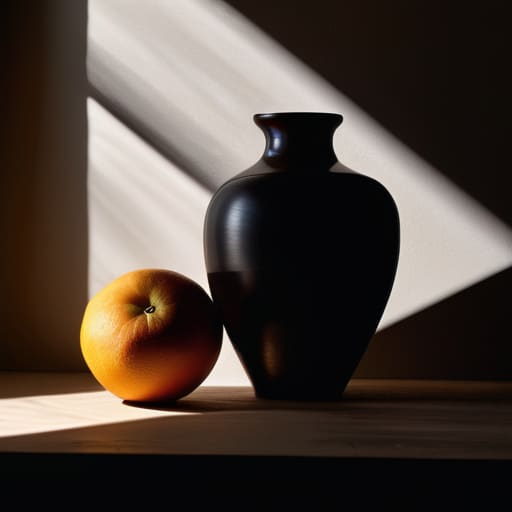
Most artists treat their workspace like a comfortable living room, which is the first mistake. If you are working under a standard overhead bulb or, heaven forbid, the flat, diffused glow of a cloudy afternoon, you aren’t actually seeing the forms in front of you; you’re seeing a muddy approximation. Without a deliberate approach to studio lighting for painting, your work will inevitably end up looking two-dimensional and lifeless. You cannot master the nuances of volume if your light source is fighting against the very shadows you are trying to define.
To truly succeed at painting from direct observation, you need to stop being polite to your subject. I always tell my clients that if they want depth, they need drama. This means setting up a single, directional light source—a lamp with a shade or a controlled window—to create a clear hierarchy of light and shadow. When you eliminate that ambient, “everything-is-visible” glare, you force your eyes to stop guessing. You stop painting what you think a sphere looks like and start seeing where the light actually dies.
The Difference Between a Copy and a Presence
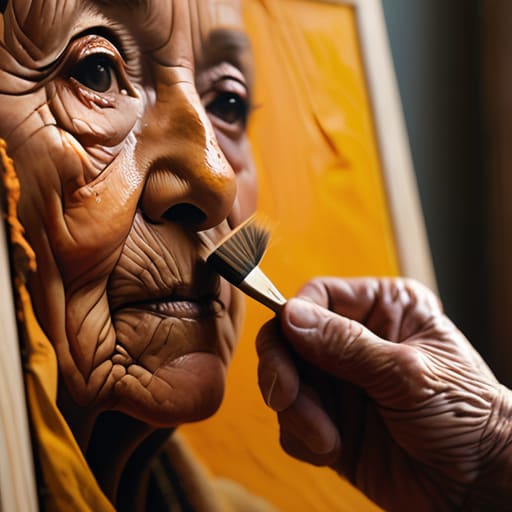
Most artists I see aren’t actually painting from life; they are painting their own preconceived ideas of what a subject should look like. If you’re just transferring a mental shortcut onto the canvas, you aren’t observing anything—you’re just decorating a lie. Real observational painting is the uncomfortable process of admitting you don’t know what a shadow looks like until you actually look at it.
Vivienne Ashworth-Pryce
The Cost of Cutting Corners
At the end of the day, painting from life isn’t some romantic, bohemian pursuit; it is a rigorous discipline of visual data collection. We’ve discussed why you cannot skip the structural foundations of observational drawing, and why your studio lighting is likely sabotaging your ability to see true value. If you ignore the mechanics of how light actually hits a surface or how a form occupies space, you aren’t painting reality—you are merely painting your preconceived notions of it. Collectors can sniff out a lack of observational truth from across a crowded room, and frankly, they aren’t paying for a polished version of a misunderstanding. You have to do the hard work of seeing before you can expect anyone to pay for the privilege of looking.
I spent decades looking at thousands of canvases, and I can tell you that the works that truly hold their value—the ones that stay on the walls of serious collectors—are the ones where the artist has actually conquered the subject. Don’t be afraid of the frustration that comes with a difficult setup or a failing light source. That friction is exactly where the growth happens. Stop looking for the shortcut and start leaning into the complexity of the real world. It is much harder to set up a still life than it is to pull up a reference photo, but the difference in the quality of your work—and your eventual market value—will be impossible to ignore.
Frequently Asked Questions
I’ve spent years practicing from life, but my studio work looks nothing like my studies—how do I stop the "translation" from losing all the soul of the original?
Oil on canvas, 24×30, 2024. I like the honesty of the struggle, even if the result is currently frustrating.
Is there a point where I should stop obsessing over anatomical accuracy and start focusing on the "vibe" that actually sells to collectors?
Oil on canvas, 24×30, 2024. I like it.
How do I know if I'm actually improving my observational skills, or if I'm just getting better at painting what I *think* I see?
Oil on canvas, 11×14, 2024. I like it, because it’s a question that actually matters.
