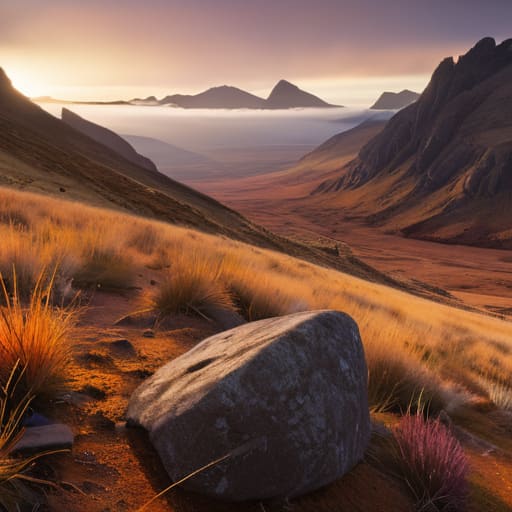

I remember sitting in the back of my gallery during a particularly stagnant Tuesday in 2008, staring at a series of large-scale oils that were technically proficient but utterly soul-crushing. The artist had spent months obsessing over botanical accuracy, yet the paintings felt like nothing more than expensive wallpaper. They had missed the fundamental truth of how to compose a landscape: it isn’t about being a human camera, documenting every leaf and pebble with neurotic precision. Most artists treat composition like a math problem to be solved, rather than a way to command the viewer’s attention, and that is exactly why their work ends up gathering dust in a storage unit instead of hanging in a collector’s dining room.
I’m not here to give you a lecture on the Golden Ratio or some lofty, academic nonsense that won’t help you sell a single canvas. Instead, I’m going to pull back the curtain on what actually makes a landscape work from a commercial and visual standpoint. I will show you how to direct the eye, how to create depth that feels earned, and how to stop making “pretty views” that fail to tell a story. This is about the strategic architecture of a painting, stripped of the romanticized fluff.
Mastering Visual Balance in Scenery to Stop the Eye
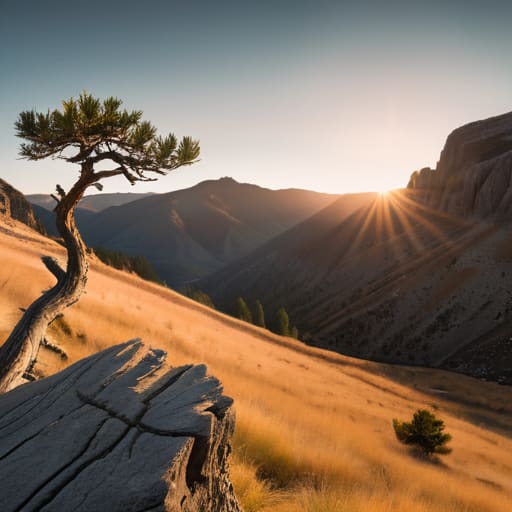
Most beginners make the mistake of centering their horizon line like they’re taking a passport photo, and frankly, it’s a death sentence for a painting. If you place your focal point dead center, the viewer’s eye hits it, stops, and then wanders off the canvas looking for an exit. You need to create a sense of weight that feels intentional, not accidental. I often tell my clients that a painting without visual balance in scenery is just a snapshot with delusions of grandeur.
To keep someone looking, you have to choreograph their movement. Use leading lines in landscape—a winding path, a fallen log, or even the slope of a ridge—to physically pull the eye from the bottom of the frame toward your subject. Don’t just dump a mountain in the middle; use framing natural elements like overhanging branches or dark silhouetted rocks to squeeze the viewer’s focus into the light. It’s about tension. If everything is perfectly symmetrical, the work feels static and dead. You want the eye to dance, not to park.
Leading Lines in Landscape Creating a Path for the Collector
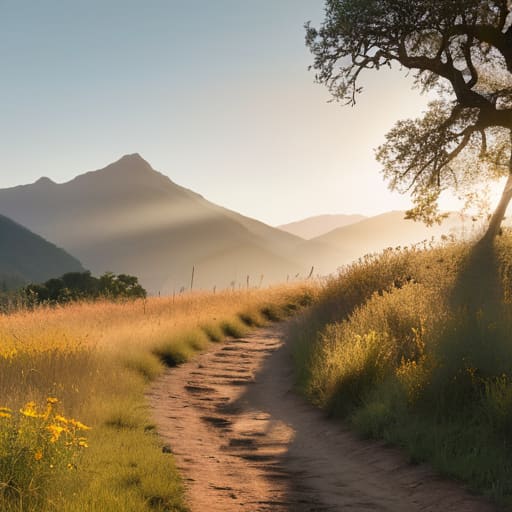
If you’re just painting a field with a few trees scattered about, you aren’t composing a landscape; you’re just documenting a view. A collector doesn’t want a static snapshot; they want to be pulled into the scene. This is where leading lines in landscape become your most effective tool for psychological manipulation. Whether it’s a winding dirt track, the jagged edge of a shoreline, or even the way a shadow falls across a ridge, these lines serve as a visual itinerary. They tell the viewer’s eye exactly where to travel, preventing that awkward moment where the gaze hits the canvas and simply bounces off because it has nowhere to go.
Don’t fall into the trap of being too literal, either. You don’t need a highway to guide the eye. You can use subtle foreground interest techniques—a fallen log, a cluster of rocks, or a patch of wildflowers—to create a directional nudge. The goal is to establish a sequence: the eye enters through the foreground, follows your intended path, and eventually rests on your primary subject. If you fail to provide this roadmap, your work will feel aimless, and an aimless painting is a very difficult thing to sell.
## The Trap of the Pretty View

Stop treating your landscape composition like a math problem or a photographic reproduction; if you aren’t intentionally directing the viewer’s eye through the space, you aren’t making a painting, you’re just making a decorative view that no serious collector will ever feel compelled to own.
Vivienne Ashworth-Pryce
Beyond the Pretty Picture
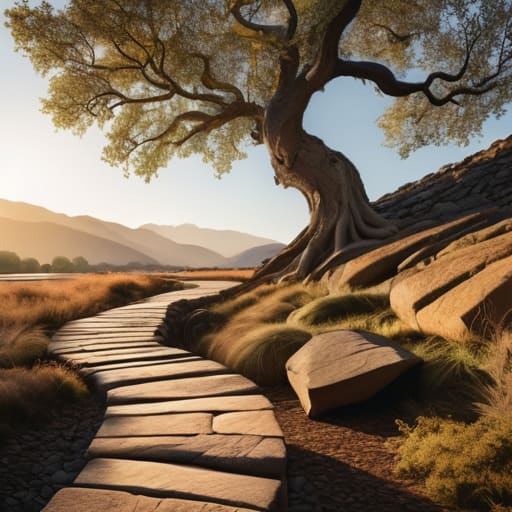
At the end of the day, composing a landscape isn’t about being a slave to the horizon line or following a textbook on the golden ratio. It is about control. You have spent this time learning how to balance weight so the viewer doesn’t feel like they are falling out of the frame, and how to use leading lines to ensure their eye doesn’t wander aimlessly into the weeds. If you ignore these mechanics, you aren’t painting a scene; you are simply recording a view. A collector doesn’t want a literal transcription of a field in Somerset; they want to feel the intentionality of your gaze. Stop treating your composition like a math problem and start treating it like a choreographed performance where you are the director.
I have spent twenty-six years standing in front of canvases, watching collectors decide within three seconds whether a piece is worth the investment or just more wallpaper. The difference is almost always the structural integrity of the image. When you master these compositional tools, you move from being a hobbyist making “pretty things” to an artist creating commanding works of art. Don’t be afraid to break the rules once you actually understand why they exist, but for heaven’s sake, make sure you have a reason for every stroke you place. Now, put the brush down, step back, and ask yourself: is this a window, or is it just a mess?
Frequently Asked Questions
I’ve mastered the lines and the balance, but how do I know when I’ve actually finished a piece versus just overworking it into something lifeless?
Oil on canvas, 30×40, 2024. I’ve seen this mistake more times than I care to count. You’re chasing a perfection that doesn’t exist, and in doing so, you’re scrubbing the soul right out of the pigment. If you find yourself obsessing over a single patch of grass for three hours, stop. A painting needs air to breathe. If the composition is holding and the light is doing its job, leave it alone. Overworking is just indecision in disguise.
How much does the "compositional intent" actually impact the final price tag when I'm negotiating with a gallery?
Oil on canvas, 40x50cm, 2024. I like it, because it’s honest.
Is it better to compose for a specific wall size, or should I be making work that can scale up without losing its structural integrity?
Oil on canvas, 24×30, 2024. I like the question.
