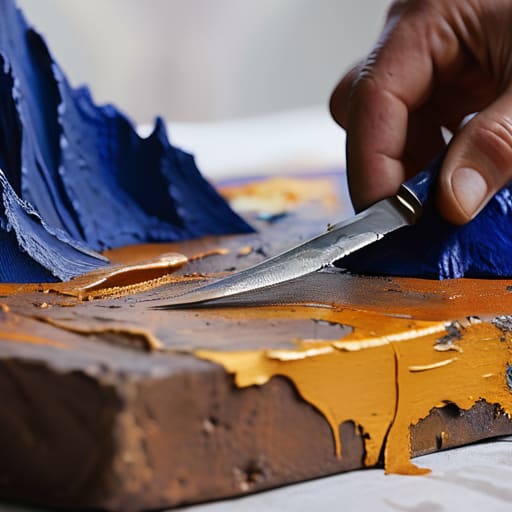

I remember standing in the back of a crowded studio in the late nineties, watching a young painter try to force a sense of “prestige” into a landscape by hacking at the canvas with a heavy metal blade. He thought he was being expressive, but he was really just being messy, and frankly, he was making it impossible to sell. Most people think there’s some profound, mystical secret to how palette knives are used, as if the tool itself carries the soul of the artist. It doesn’t. A palette knife isn’t a magic wand that turns a mediocre composition into a masterpiece; it is a tool for intentionality, and if you don’t understand the physics of the stroke, you’re just making expensive mud.
I’m not here to give you a lecture on the “spiritual connection” between steel and pigment. Instead, I want to show you the actual mechanics of the trade. I will explain exactly how palette knives are used to build structural value, create light that actually catches a collector’s eye, and—most importantly—how to use them to create work that looks finished rather than frantic. We are going to talk about mark-making as a way to command higher prices, not just as a way to play with texture.
Mastering the Impasto Painting Technique for High End Appeal
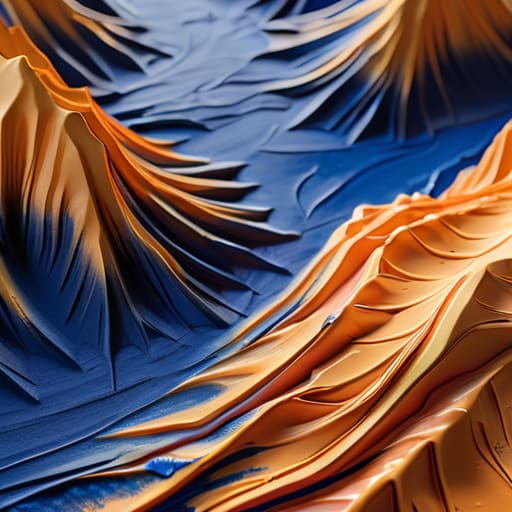
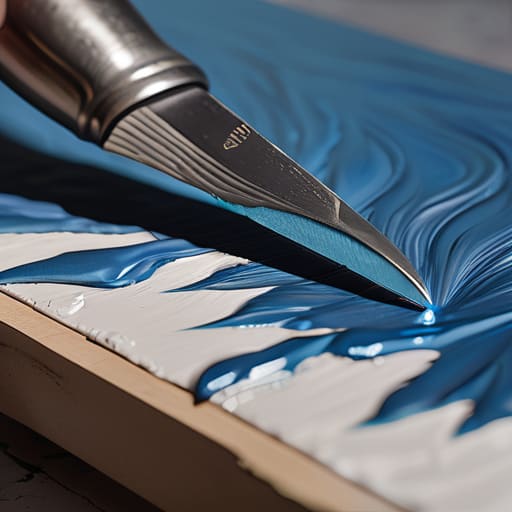
If you want to move from selling five-hundred-pound studies to five-thousand-pound commissions, you need to stop treating your paint like watercolor. Collectors aren’t just buying your color theory; they are buying the physical evidence of your labor. This is where the impasto painting technique becomes your best friend—or your worst enemy. When you use a knife to lay down heavy, sculptural ridges of pigment, you are creating a sense of permanence. A brush can feel polite, even timid, but a knife creates a topographical map of a moment. That tactile quality is exactly what makes a piece feel “expensive” when it sits under gallery lighting.
However, there is a massive difference between intentional texture and a muddy mess. I’ve seen too many young artists attempt creating thick texture in art by simply piling on paint until the canvas looks like a topographical error. If you aren’t careful with your oil painting tools, specifically how you load the blade, you’ll end up with a surface that looks cluttered rather than confident. You have to learn to “butter” the canvas. It’s about the decisive, singular stroke that says, “I meant to do this,” rather than the frantic scraping of someone who is afraid of their own medium.
Choosing Your Arsenal Essential Oil Painting Tools for Impact
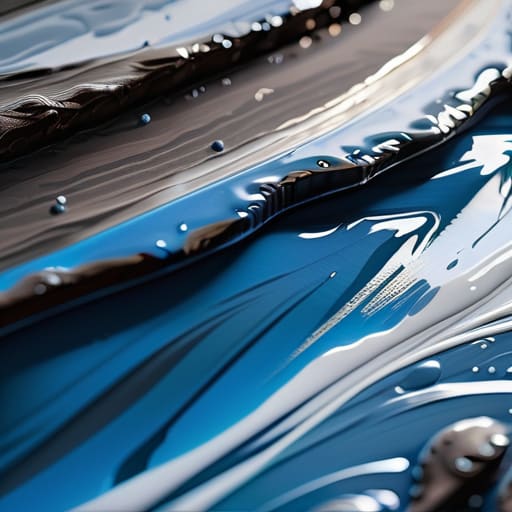
Don’t walk into an art supply store expecting the shiny, gold-plated sets to be the answer to your problems. Most of those kits are overpriced junk designed for hobbyists who want to feel “professional” without actually doing the work. If you are serious about creating thick texture in art, you need to stop looking at the aesthetics of the tool and start looking at the steel. A decent palette knife should have enough flex to move the medium, but enough backbone to hold its shape when you’re working a heavy load of pigment.
When it comes to the palette knife vs brush debate, I tell my clients that it isn’t an “either/or” scenario—it’s a matter of intent. You use the brush for the structural integrity of the piece, but you use the knife when you want the light to actually dance off the surface. And for heaven’s sake, stop trying to mix your colors directly on the canvas like you’re playing in a mud puddle; spend the time mixing paint on a palette first. If your color theory is muddy, no amount of expensive texture will save a painting from looking amateurish to a collector.
The Tactile Premium
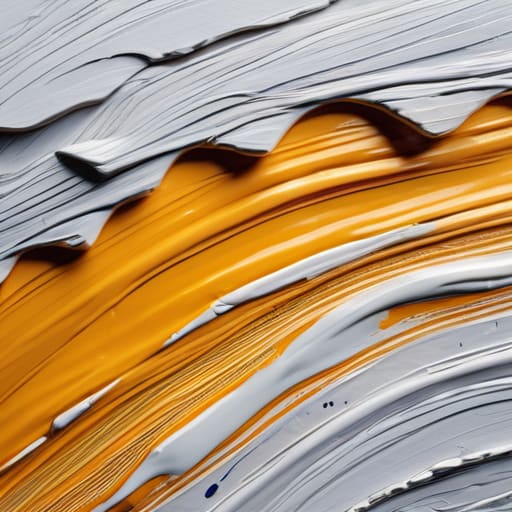
Stop treating the palette knife like a mere utility for spreading pigment; it is the tool that allows you to move away from the polite, thin washes of a hobbyist and toward the physical, sculptural presence that makes a collector actually want to reach out and touch the canvas.
Vivienne Ashworth-Pryce
Beyond the Blade
At the end of the day, mastering the palette knife isn’t about accumulating a collection of expensive steel tools or obsessing over the technicalities of impasto. It is about understanding that the knife offers a way to break away from the polite, controlled strokes of a brush that often lead to work that looks “safe” or, worse, decorative. We have covered how the right arsenal creates physical presence and how specific techniques can elevate the perceived value of a piece. But remember, a knife is only as effective as the intentionality behind the mark. If you use it just to add bulk, you’re merely decorating a canvas; if you use it to command the light and define the structure, you are building an asset that a collector will actually want to own.
Stop treating your tools like precious museum objects and start treating them like instruments of decision-making. The transition from a hobbyist to a professional artist often happens in those moments where you stop playing it safe and let the paint have some actual weight. Don’t be afraid to be messy, to be bold, and to leave a mark that demands to be seen from across a room. The market has enough polite paintings; what it lacks is work with unapologetic texture and conviction. Pick up the knife, trust your eye, and make something that refuses to be ignored.
Frequently Asked Questions
If I start using more heavy impasto work with a palette knife, how am I supposed to adjust my pricing to account for the extra cost of materials and the longer drying times?
Oil on canvas, 30×40, 2024. It’s a valid concern, but don’t make the mistake of “cost-plus” pricing. If you raise prices just because you bought more medium, you’re thinking like a manufacturer, not an artist. You price for the finished visual impact and the perceived value of that texture. The extra material and the months spent waiting for a thick impasto to cure are simply the overhead of your specific practice. Build that into your baseline.
At what point does a textured, knife-heavy style stop looking "expensive" and start looking like a messy amateur attempt that a collector won't touch?
Oil on canvas, 24×30, 2024. I like it, but only when it’s intentional.
How do I transition from using a knife for basic texture to using it as a primary tool without losing the fine detail that my current collectors expect?
Oil on canvas, 24×30, 2024. It’s a common fear, but you’re treating the knife like a blunt instrument when you should be treating it like a scalpel. The secret isn’t choosing between texture and detail; it’s layering. Use the knife to build your structural impasto and “bones” first, then go back in with a fine synthetic brush to refine the edges and focal points. You aren’t losing the detail; you’re giving it a more expensive-looking foundation.
