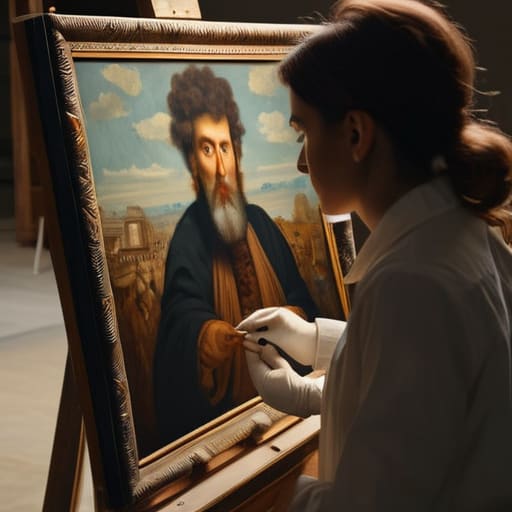

Everyone tells you that museum acquisition is this grand, mystical alchemy where a curator discovers a soul and a committee grants immortality. It’s a lovely fairy tale, but it’s absolute nonsense. In my twenty-six years in the trade, I learned that understanding how museum acquisition works has far less to do with divine inspiration and far more to do with bureaucratic survival, donor whims, and the exhausting politics of institutional legacy. It isn’t a lightning bolt from the heavens; it’s a slow, often tedious process of checking boxes, managing endowments, and convincing a board of directors that your work won’t be a liability in fifty years.
I’m not here to feed you the romanticized version they teach in art history seminars. Instead, I am going to pull back the velvet curtain and show you the actual mechanics of the machine. I’ll explain the difference between a gift, a purchase, and a bequest, and why who you know often matters more than what you’ve painted. By the time we’re done, you won’t be looking for magic; you’ll be looking for a strategy.
The Curatorial Selection Process Beyond Mere Aesthetic Preference
Let’s dispel the myth that a curator walks into a studio, sees a canvas, and thinks, “Yes, this belongs in the permanent collection.” If it were that simple, I would have retired to the South of France a decade ago. The curatorial selection process is less about a sudden burst of aesthetic inspiration and more about a cold, calculated fit within a pre-existing puzzle. A curator isn’t just looking for beauty; they are looking for a piece that fills a specific gap in their institutional narrative. They are thinking about how a work speaks to current scholarship, how it interacts with what they already own, and—crucially—how it will stand up to the scrutiny of future historians.
Once the initial “yes” happens, the real bureaucracy begins. This is where the romanticism of the art world dies a quiet death. The institution must navigate strict museum collection management policies to ensure the work isn’t just a trophy, but a manageable asset. They have to consider everything from physical storage requirements to the long-term implications of the acquisition on their mission statement. It is a heavy, institutional weight, and quite frankly, it’s often more about institutional survival than it is about the soul of the artist.
The Museum Board Approval Workflow Where Politics Meets Provenance
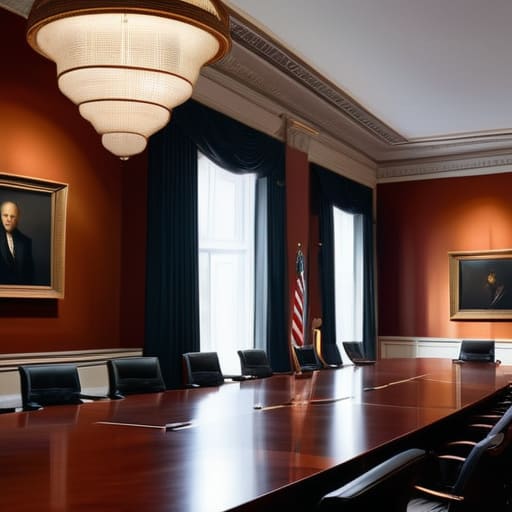
Once the curators have finished their internal dance and decided your work is worth the effort, you enter the most bureaucratic, least artistic part of the entire ordeal: the board. This is the museum board approval workflow, and it has nothing to do with whether your brushwork is transcendent. These are people with high-net-worth portfolios and deep ties to the local establishment, and they view the acquisition through the lens of risk management and legacy. They aren’t looking at the soul of the piece; they are looking at the institutional stability it provides.
Before a single cent is authorized, the lawyers and administrators go to work on the provenance research importance. They need to be absolutely certain that this work isn’t just beautiful, but that its ownership history is airtight and free from any ethical or legal shadows. They are terrified of a scandal that might force the deaccessioning of museum objects later on to cover a deficit or fix a mistake. It is a cold, clinical scrutiny that can make even the most seasoned artist feel like a suspect in a crime rather than a creator being celebrated.
## The Myth of the Pure Aesthetic
Don’t let anyone tell you a museum acquires a piece simply because it’s beautiful; beauty is cheap and subjective. A museum acquires a piece because a committee of gatekeepers has decided that, for reasons of provenance, politics, or institutional legacy, your work belongs in their permanent ledger rather than in a private living room where it will eventually be forgotten.
Vivienne Ashworth-Pryce
The Final Ledger
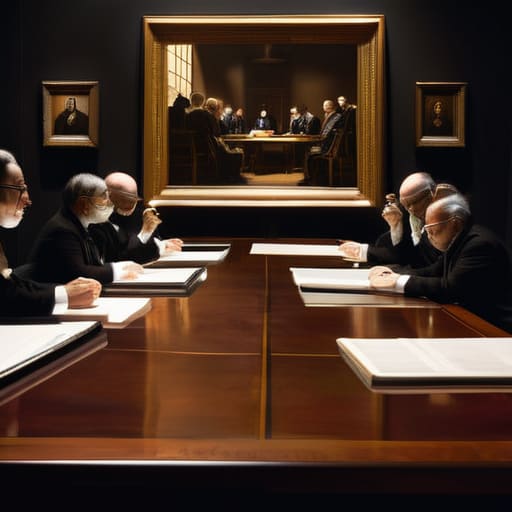
At the end of the day, getting into a permanent collection is a brutal collision of curatorial vision, board politics, and the cold, hard reality of institutional budgets. We’ve seen how the process moves from the initial spark of a curator’s interest through the labyrinthine scrutiny of committees and the final, often opaque, blessing of the board. It is rarely a simple matter of “this is a good painting.” Instead, it is a complex calculation of provenance, historical relevance, and whether your work fits the specific narrative the museum is currently trying to tell. Understanding this doesn’t make the process any less frustrating, but it does strip away the illusion that it’s purely a meritocracy of talent.
If you are an artist reading this, do not let the sheer weight of these gatekeepers make you feel small. The museum acquisition process is a machine, and machines are indifferent to your soul, but they are not invincible. Your job is to keep making work that demands to be seen, even when the doors feel bolted shut. While the institutions decide what becomes “permanent,” you are the one doing the actual work of defining the contemporary moment. Keep your eyes on the long game; the museum might hold the record of your success, but you are the one who creates the reason for the record to exist in the first place.
Frequently Asked Questions
If a museum acquires my work, do I actually see a penny, or is the sale strictly between the estate and the institution?
Oil on canvas, 40x40cm, 2024. I like the bluntness of the question.
Once a piece is in a permanent collection, does that actually increase my market value, or is it just a hollow trophy for my CV?
Oil on canvas, 60x80cm, 2024. It’s a bit of a double-edged sword, isn’t it? A museum acquisition isn’t a magic wand that triples your prices overnight, but it is the ultimate stamp of legitimacy. It moves you from “working artist” to “provenance.” Collectors aren’t just buying your brushwork anymore; they’re buying the fact that a curator deemed you worth the institution’s permanent budget. It builds the floor of your market, even if it doesn’t immediately raise the ceiling.
How much of an acquisition is based on the quality of the work versus how much the donor wants to see their own name attached to a specific movement or artist?
Oil on canvas, 60x80cm, 2024. I’ll tell you the truth: quality is the entry fee, but ego is the accelerant. A museum needs the work to be defensible to its peers, but they rarely buy anything without a benefactor whispering in their ear. Often, the “quality” is secondary to a donor’s desire to be the patron who “discovered” a movement. It’s not a conspiracy; it’s just how the lights stay on.
