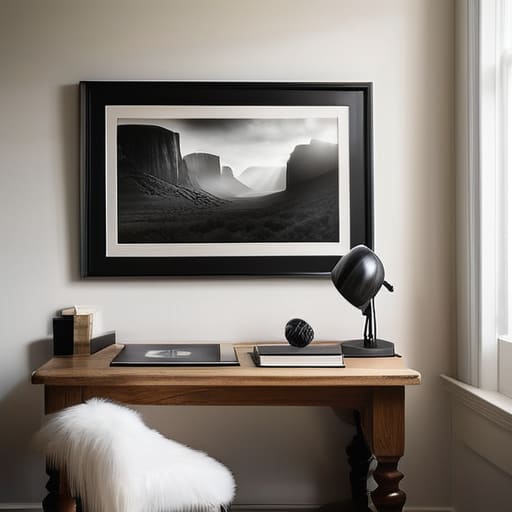

Most people think a “complete guide to photography collecting” should involve a lecture on the sublime nuances of silver gelatin processes or the philosophical weight of the decisive moment. They are wrong. If you walk into a high-end gallery expecting a seminar on aesthetics, you’re going to get fleeced. I spent twenty-six years watching well-meaning collectors walk into rooms, fall in love with a beautiful print, and sign a check without asking a single question about edition sizes, paper permanence, or why the markup is so steep. Photography isn’t just “art on paper”; it is a mechanical reproduction market that relies heavily on manufactured scarcity, and if you don’t understand the math behind the image, you aren’t collecting—you’re just donating.
I’m not here to romanticize the lens or teach you how to spot a masterpiece. Instead, I’m going to give you the unvarnished mechanics of the trade. We are going to strip away the gallery mystique and look at what you are actually paying for, from the technicalities of the print run to the hidden costs of archival preservation. This is the reality of the market, served straight, so you can build a collection that actually holds its value.
Decoding Limited Edition Print Scarcity and Market Hype
Let’s get one thing straight: “Limited edition” is a term that gets thrown around with far too much reverence and far too little scrutiny. In my years running the gallery, I saw more artists—and more dealers—inflate the perceived value of a run simply because the number was small. A run of five prints isn’t inherently more “valuable” than a run of twenty if the market for that specific artist is shallow. True limited edition print scarcity is about controlled supply meeting genuine demand, not just a number typed onto a certificate of authenticity. If an artist is printing an edition of ten but has already sold fifty “artist proofs” to their friends, that scarcity is a polite fiction.
When you are looking at a piece, you have to look past the hype and interrogate the editioning logic. I always tell my clients to ask about the posthumous editions—if an estate starts printing a photographer’s work fifty years after they’ve died, the original market value shifts significantly. Understanding provenance in photography collecting becomes your best defense here; you aren’t just buying an image, you are buying a specific, documented slice of that artist’s output. Don’t let the prestige of a high edition number blind you to the actual rarity of the moment the work was captured.
Why Fine Art Photography Investment Is Never Just About the Frame
If you walk into a gallery thinking you are just buying a beautiful image to hang above a sideboard, you are missing the entire point of a fine art photography investment. A photograph is a physical object that exists in a state of constant, slow-motion decay. When I look at a piece, I am not just looking at the composition; I am looking at the paper stock, the ink stability, and the artist’s commitment to their own edition. You aren’t just paying for the moment captured by the shutter; you are paying for the technical rigor required to ensure that moment doesn’t fade into a sepia blur within a decade.
This is where most amateurs trip up. They see a striking landscape and forget that photographic print preservation is a lifelong responsibility. You need to understand the chemistry of what you are holding. Whether you are collecting silver gelatin prints or modern archival pigment prints, the value lies in the marriage of the artist’s vision and the physical integrity of the medium. If the paper is substandard or the editioning is loose, the “art” is essentially a ticking clock. You aren’t just a patron; you are a custodian of a physical artifact.
The Myth of the Paper Value
Stop looking at the image for a moment and look at the edition number; you aren’t just buying a beautiful view, you are buying a contractual guarantee of scarcity, and if you don’t understand the paperwork behind that print, you aren’t collecting, you’re just decorating.
Vivienne Ashworth-Pryce
The Final Print
At the end of the day, collecting photography isn’t about chasing a speculative bubble or trying to outsmart a market that is often more luck than logic. It is about understanding the mechanics: knowing that a limited edition number is only as valuable as the artist’s reputation and the gallery’s ability to maintain that scarcity, and recognizing that the price tag covers far more than just the ink on the paper. You have to look past the hype of the “investment piece” and evaluate the provenance, the print quality, and the actual market stability of the creator. If you can master the distinction between a fleeting trend and a sustained career, you stop being a victim of information asymmetry and start becoming a true patron.
My advice is simple: stop looking for the “next big thing” and start looking for the work that makes you stop walking. The most successful collectors I ever worked with weren’t the ones with the largest bank accounts, but the ones who developed a disciplined eye and a deep respect for the medium. A photograph is a captured moment, but a collection is a curated life. Buy what you want to live with, buy what you understand, and for heaven’s sake, buy because the work speaks to you—not because a brochure told you it was a safe bet.
Frequently Asked Questions
If a photographer says a print is 'limited edition' but doesn't specify the exact number or the edition size, am I being sold a lie?
Oil on paper, 12×16, 2024. I don’t like being handled like a fool.
How do I tell the difference between a print that has actual long-term value and one that’s just a high-quality reproduction of a digital file?
Oil on canvas, 24×30, 2023. I like it, but let’s talk about the paper. You’re looking for the distinction between an artist’s “edition” and a glorified inkjet print. A true collector’s piece is a signed, numbered work where the artist has specifically curated the paper stock and ink density to create a physical object. If there’s no Certificate of Authenticity detailing the edition size and the specific print process, you aren’t buying art; you’re buying a very expensive photocopy.
When I'm looking at a price tag in a gallery, how much of that is actually going toward the artist's talent and how much is just covering the overhead of the room I'm standing in?
Oil on canvas, 24×30, 2023. I love the texture, but let’s talk about that price tag. Generally, you’re looking at a fifty-fifty split. Half is the artist’s fee—their time, their materials, their life. The other half? That pays for the rent, the lighting, the wine I served you, and the person who spent three hours convincing you that this specific print was the one. You aren’t just buying talent; you’re buying the theater of the sale.
