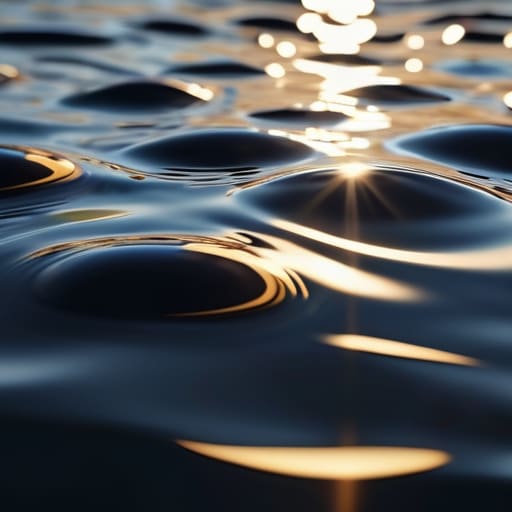

I remember sitting in the back of a crowded gallery opening in the late nineties, nursing a lukewarm Chardonnay and watching a collector stare, quite intensely, at a seascape that cost more than my first car. The artist was a lovely person, but the painting was a disaster; it looked less like the Atlantic and more like a spilled bottle of blue ink. Everyone was nodding, pretending to see the “soul of the ocean,” but I could see the struggle. They had spent months obsessing over every tiny, frantic ripple, completely missing the fact that they didn’t actually know how to paint water—they only knew how to paint patterns. Most tutorials will tell you to master a thousand tiny strokes to achieve realism, but that is a colossal waste of time and, frankly, a recipe for a painting that looks cluttered and cheap.
I am not here to teach you how to mimic a photograph or to sell you on the romantic nonsense of “capturing the essence.” I am here to talk about the mechanics of light, the physics of weight, and why your current approach is likely making your work impossible to sell. I’m going to show you how to stop fighting the medium and start understanding how a surface actually reflects the world, so you can finally produce work that commands a room rather than just filling a corner.
Mastering Oil Painting Water Reflections for High End Collectors
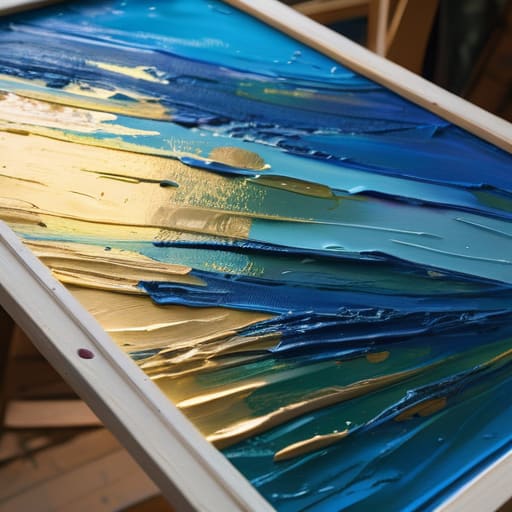
Oil on canvas, 24×36, 2024. I’ll tell you why some pieces fetch five figures while others sit in a studio gathering dust: it’s the difference between a decorative surface and a window. When you are painting light on water surfaces, you aren’t just moving pigment around; you are managing the viewer’s eye. High-end collectors aren’t looking for a literal map of a lake; they are looking for the conviction of light. If your brushwork is hesitant, the water looks muddy, and a muddy painting is a dead painting.
To move into that premium tier, you must stop treating the water as a blue shape and start treating it as a mirror. This requires a sophisticated grasp of oil painting water reflections, specifically how the color of the sky and the surrounding landscape are distorted by the movement of the liquid. You need to understand that the reflection isn’t just a flipped version of the subject; it is a broken, rhythmic interpretation of it. If you can master that tension between the solid object and its liquid ghost, you stop making “pictures of water” and start making investments.
The Truth About Shading Water for Depth and Realism
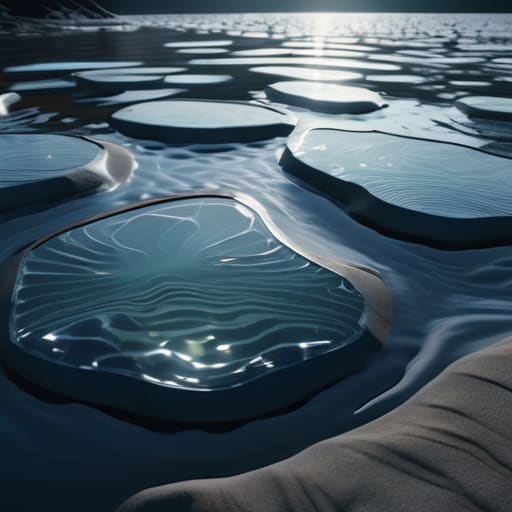
Stop thinking about water as a blue substance you pour onto a canvas. That is the first mistake, and it’s the one that makes a piece look like a cheap postcard rather than a serious investment. When I was looking at works for my gallery, the pieces that actually commanded a premium weren’t the ones with the most “blue”; they were the ones that understood shading water for depth and realism through the manipulation of value. You aren’t painting liquid; you are painting the absence of light and the presence of what lies beneath it.
If you want to move beyond the amateur stage, you must master the interplay between the dark weight of the depths and the sharp, fractured hits of light on the surface. This isn’t about blending everything into a muddy middle ground—that’s a death sentence for a professional piece. Instead, focus on painting light on water surfaces using high-contrast edges. You need those sudden, crisp highlights to sit on top of the darker, more saturated tones below. If you can’t convince a collector that there is a physical volume of water sitting between their eyes and the seabed, you aren’t painting water; you’re just painting a blue smear.
The Collector's Eye and the Liquid Lie
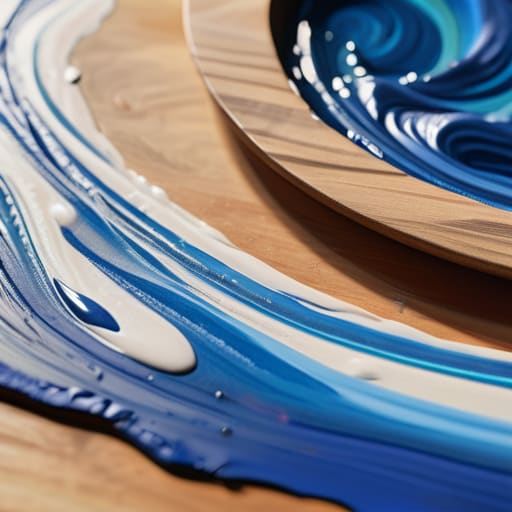
Oil on canvas, 40x60cm, 2024. If you spend your entire career trying to replicate every single ripple in a lake, you aren’t painting water; you’re just performing a tedious technical exercise that no serious collector wants to hang in their dining room. A buyer isn’t looking for a photographic record of a wave—they are looking for the way light breaks against a surface. Stop trying to be a camera and start trying to be a translator, or you’ll find yourself with a studio full of technically perfect work that nobody wants to buy.
Vivienne Ashworth-Pryce
Beyond the Surface
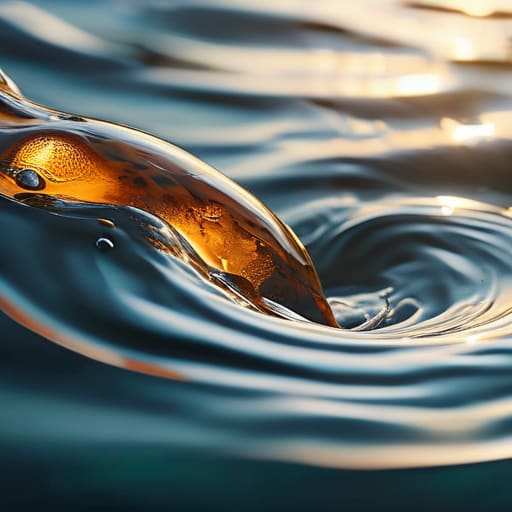
At the end of the day, capturing water isn’t about a checklist of technical maneuvers; it’s about understanding that light and depth are not separate entities, but a singular, moving conversation. We’ve discussed how to manage the heavy lifting of oil reflections to satisfy a collector’s eye and how to use shading to prevent your compositions from looking like a flat, blue sheet of paper. If you can master the balance between the structural physics of light and the intuitive way color shifts in a shadow, you stop painting a literal representation and start painting an experience. Remember, the goal isn’t to prove you can replicate a photograph, but to prove you understand how water actually behaves under pressure and light.
I’ve spent decades standing in front of canvases in my gallery, watching collectors lean in closer to certain works while walking right past others. The ones that stop them in their tracks aren’t always the most technically perfect, but they are the ones that feel alive. When you paint water, don’t get so lost in the mechanics of the pigment that you forget to leave room for the soul of the movement. Stop trying to control every single ripple and start trusting that your ability to translate the essence of fluidity is what will actually make a piece worth the price tag you eventually put on it.
Frequently Asked Questions
How do I know if I've spent too much time on the technical details of the water and not enough on the composition that actually makes a collector want to hang it in their living room?
Oil on canvas, 24×30, 2024. You’ve fallen into the “technical trap,” darling. If you’re staring at a single ripple for three hours, you aren’t painting a masterpiece; you’re performing an autopsy. A collector doesn’t buy a physics lesson on light refraction; they buy a mood. If the water is perfect but the composition feels claustrophobic or lacks a focal point, the piece is dead on arrival. Step back. If the soul is missing, no amount of technical precision will save the sale.
Is there a specific price premium for hyper-realistic water studies compared to more abstract, impressionistic interpretations?
Oil on canvas, 18×24, 2024. I don’t care about the “premium” of realism; I care about the market for it. Hyper-realism often commands higher prices from decorative collectors who want a window, not a question. However, impressionism sells to the collector who wants to feel something. Don’t chase the “realism premium” thinking it’s easier money—it’s just more labor. If your technique doesn’t serve the emotional intent, you’re just a high-end photocopier.
When am I finished—how do I stop layering glazes and avoid turning a vibrant seascape into a muddy, overpriced mess?
Oil on canvas, 24×36, 2024. You know when you’re finished when the light stops sitting on the surface and starts living inside it. If you keep layering, you aren’t adding depth; you’re just burying the soul of the piece under a sludge of pigment. Stop. Step back. If the composition holds and the luminosity is there, put the brush down. A muddy seascape is a wasted investment, and collectors can smell desperation in the grime.
