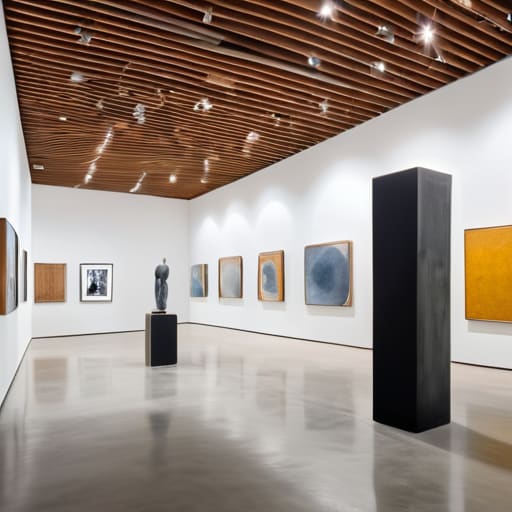

I remember sitting in my back office in 2004, staring at a stack of invoices for shipping, insurance, and lighting, wondering why a young painter in my stable thought a “complete guide to exhibiting” was something you could find in a glossy textbook or a university syllabus. They all thought it was about the mystique—the champagne, the guest lists, and the profound silence of a white-walled room. They were wrong. Most of them were about to learn that an exhibition is less a spiritual awakening and more a high-stakes exercise in logistics, inventory management, and very expensive heavy lifting.
I’m not here to sell you on the glamour of the opening night; I’m here to tell you how to survive the three months leading up to it without going broke. This isn’t some academic theory; it is the unvarnished reality of what happens when you take your work out of the studio and into the market. I am going to walk you through the mechanics of contracts, the true cost of presentation, and how to ensure that when the doors finally open, you aren’t just looking pretty—you are actually making a living.
Exhibition Space Optimization Making Your Work Look Like It Belongs
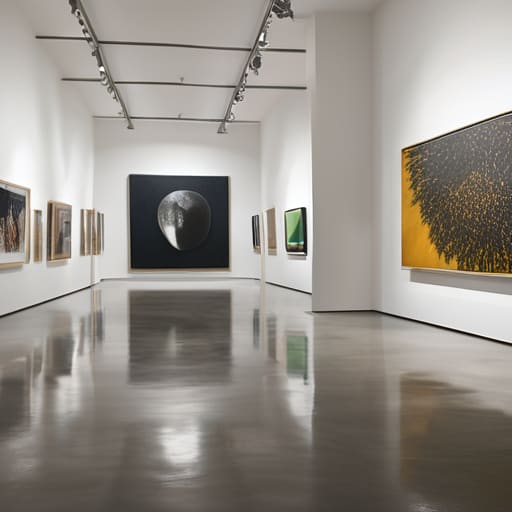
Most artists treat an exhibition like a school project: they hang their best pieces, put up a little printed bio, and hope for the best. That is a recipe for being ignored. If you want a collector to take you seriously, you have to stop thinking like a painter and start thinking like a curator. This isn’t about being precious; it’s about exhibition space optimization. You aren’t just displaying objects; you are constructing an environment that justifies your price point. If your work is hung too high, or if the lighting makes your oils look muddy, you aren’t just losing a sale—you’re telling the room that you don’t know how to handle your own business.
I’ve seen brilliant shows ruined by poor art installation techniques that made the work feel cluttered and frantic. You need breathing room. A single, large canvas given its own wall commands more respect than ten small pieces crammed into a corner like they’re waiting for a clearance sale. Control the flow. Decide exactly where a person’s eye should land when they walk in, and ensure the physical layout supports that journey. You are selling a vision, not just a canvas.
Art Installation Techniques Why Your Presentation Is Costing You Sales
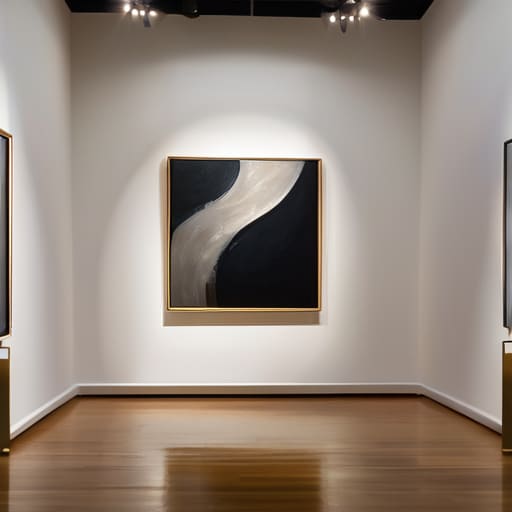
Oil on canvas, 60x80cm, 2023. It’s a lovely piece, but if it’s hanging two inches too low or tilted slightly to the left, I’m not looking at the brushwork; I’m looking at the amateurism. Most artists treat art installation techniques as an afterthought, something to be sorted out with a bit of blue tack and a prayer once the doors open. That is a mistake that costs money. When a work is poorly lit or hung at eye level for a giant rather than a human, you aren’t just making the room look messy—you are subconsciously telling the collector that the work isn’t worth the premium price tag.
You need to understand that presentation is the silent language of value. If you are operating in a fair or a multi-artist pop-up, your approach to exhibition space optimization must be surgical. It isn’t enough to just “fill the walls.” You have to manage the physical relationship between the viewer and the canvas. If the lighting creates a glare that obscures the texture, or if the pieces are crowded so tightly that they lose their breath, the perceived value of every single item in that room drops. Professionalism isn’t about being fancy; it’s about removing every possible distraction between the buyer and the art.
The Myth of the Empty White Wall
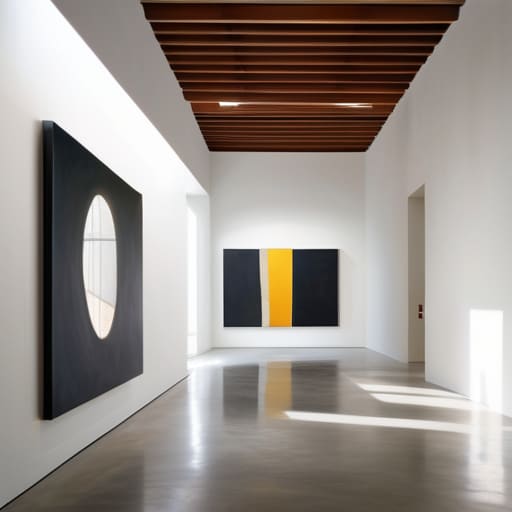
An exhibition isn’t just a collection of objects hanging in a room; it is a choreographed argument for why your work deserves to exist in a collector’s home. If you walk into a show and the lighting is dim, the spacing is claustrophobic, or the works feel like they’re merely occupying space rather than commanding it, you haven’t staged an exhibition—you’ve just hosted a cluttered garage sale.
Vivienne Ashworth-Pryce
The Final Inventory

At the end of the day, a successful exhibition isn’t some mystical event triggered by a sudden burst of creative genius; it is the result of rigorous, often tedious, logistical preparation. We have talked about optimizing your space so the work breathes, and we have dissected why a poorly hung canvas is essentially a silent way of telling a collector you don’t value your own labor. From the way you light a corner to the precision of your installation, every decision you make is a signal. If you neglect the presentation, you are essentially asking the viewer to do the hard work of finding the value in your art, and collectors are rarely willing to do that heavy lifting.
Don’t let the mechanics of the trade intimidate you into thinking that being “professional” somehow dilutes the soul of your practice. In my twenty-six years in the gallery, I learned that the artists who actually built sustainable careers were the ones who treated their business with as much respect as their brushes. You can be a dreamer, but you must also be a strategist. Take the leap, book the space, and hang your work with the confidence of someone who knows exactly what it is worth. The world is waiting to see it, but more importantly, it is waiting for you to show it properly.
Frequently Asked Questions
If the gallery is taking fifty percent, am I responsible for the cost of the shipping and insurance, or is that part of their cut?
Oil on canvas, 40x40cm, 2024. I like it, but let’s talk logistics.
How much control should I actually fight for when it comes to the way my work is hung and lit in a space I don't own?
Oil on canvas, 60x80cm, 2023. I love the brushwork, but if it’s hung under a halogen bulb that turns your cerulean into muddy grey, the brushwork won’t matter because nobody will buy it.
What happens if a piece sells during the show—do I get paid immediately, or am I waiting months for the gallery to settle the accounts?
Oil on canvas, 40x40cm, 2023. I love the texture, but let’s talk about the ledger.
