

I remember sitting in a drafty corner of my gallery in 2004, watching a collector stare at a landscape for twenty minutes, trying to sound profound about “the emotional resonance of the artist’s hand.” It was exhausting. People love to wrap themselves in the velvet curtains of art theory, but they often miss the point entirely. They treat the physical act of painting like some sacred, untouchable mystery, when in reality, how brushwork carries meaning is much more practical and far less mystical than the critics would have you believe. It isn’t just about “soul”; it’s about the physical evidence of a decision—the difference between a confident, decisive stroke that commands a room and a hesitant, muddy smear that tells a buyer you weren’t quite sure of yourself.
I’m not here to give you a lecture on the semiotics of the mark or any other academic nonsense that won’t help you sell a single canvas. Instead, I want to pull back the curtain on what is actually happening on the surface of the work. I’m going to show you how to use your technique to communicate value to a collector, because understanding the mechanics of your application is exactly how you bridge the gap between “pretty picture” and a serious investment.
Decoding the Visual Language of Art for High Value Collectors

When a collector walks into a room, they aren’t just looking at a subject; they are looking for evidence of a life lived through the hand. They want to see the friction between the artist and the canvas. This is where artistic intentionality in stroke becomes the deciding factor between a decorative object and a blue-chip investment. A collector isn’t paying for a perfect imitation of reality; they are paying for the way you command the medium. If every stroke is hesitant or, worse, overly polished to the point of sterility, the work loses its pulse. High-value buyers are looking for that specific visual language of art that suggests the artist was fully present in the moment of creation.
I’ve seen countless artists try to hide behind a slick, uniform surface, fearing that a bit of messiness might look unprofessional. That is a catastrophic mistake. The real money is in the nuance—the way a heavy impasto creates a shadow or how a thin, watery wash suggests a memory. They are looking for expressive painting techniques that signal confidence. When a client asks me why one piece commands five times the price of another, the answer is rarely the subject matter; it is the sheer, unapologetic authority of the marks left behind.
Artistic Intentionality in Stroke What Separates Mastery From Mess

There is a massive, expensive difference between a hand that is trembling with uncertainty and a hand that is moving with purpose. I spent decades watching collectors hover over canvases, and I can tell you exactly when they lean in: it’s when they sense artistic intentionality in stroke. A novice often mistakes chaos for depth, thinking that a frantic, muddy application of pigment constitutes “emotion.” It doesn’t. To a seasoned eye, that just looks like a lack of control. Mastery is knowing exactly when to let the paint breathe and when to force it into submission.
When an artist employs sophisticated expressive painting techniques, they aren’t just slapping color on a surface; they are directing the viewer’s eye through a controlled sequence of events. Whether it is a deliberate, heavy impasto or a whispered, translucent wash, every mark must justify its existence. If a stroke doesn’t serve the composition or the narrative, it’s just noise. Collectors aren’t paying for the paint itself; they are paying for the confidence of the maker. They want to see that you knew exactly what you were doing before you even touched the linen.
The Price of a Mark
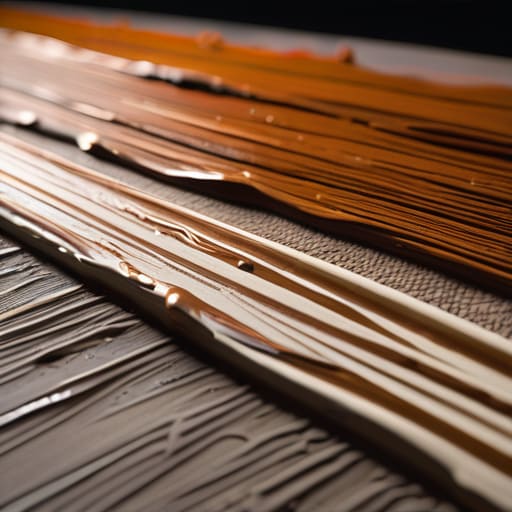
A collector isn’t just buying the image you’ve rendered; they are buying the evidence of your decision-making. A hesitant, muddy stroke is a liability that screams uncertainty, whereas a decisive, confident mark tells them that the artist is in control—and people pay a premium to own a piece of that certainty.
Vivienne Ashworth-Pryce
The Cost of a Single Stroke
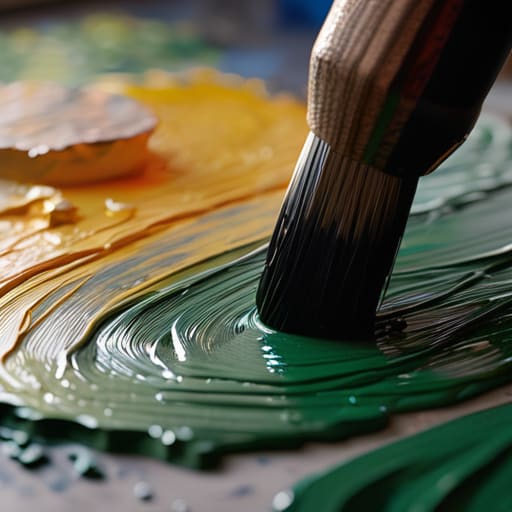
At the end of the day, understanding brushwork isn’t about academic fluff or pretending you’re at a lecture in the Louvre; it’s about recognizing that every mark you make is a financial and emotional decision. We’ve discussed how collectors look for that specific intersection of intentionality and control, and how they can sense the difference between a hesitant hand and a master who knows exactly where the pigment needs to land. Whether it’s the aggressive impasto that signals raw energy or the delicate glazing that suggests quietude, these choices are what transform a mere object into a valuable asset. If your strokes are aimless, your pricing will eventually reflect that aimlessness, regardless of how much you hope the “vibe” carries the work.
Don’t let the mechanics of the market intimidate you into playing it safe. The goal isn’t to produce perfect, sterile surfaces that please every cautious buyer; the goal is to use your brush to communicate something so undeniably authentic that the collector feels they are buying a piece of your very pulse. When you stop viewing your technique as just a way to fill a canvas and start seeing it as your primary tool for negotiating with the viewer, everything changes. Own your marks, defend your decisions, and remember that a collector isn’t just buying paint on linen—they are buying the conviction behind every single movement of your hand.
Frequently Asked Questions
If my brushwork is intentionally messy or "unfinished," how do I stop a collector from thinking I'm just a lazy painter who lacks technical control?
Oil on linen, 40×40, 2024. I like it, but let’s be honest about the risk. If you want to lean into the “unfinished” look, you must prove the chaos was a choice, not a lack of discipline. Collectors don’t pay for laziness; they pay for controlled energy. You do that by ensuring the composition is rock-solid and the edges are deliberate. If the structure holds, the mess looks like genius. If it doesn’t, it just looks like you ran out of paint.
When I'm negotiating a price, how much of that value is actually tied to the physical execution of the stroke versus the concept behind it?
Oil on canvas, 40cm x 40cm, 2024. I don’t like the question, because it assumes they are separate. To a collector, the concept is the reason they walk into the room, but the execution is why they open their checkbook. If your stroke is sloppy because you’re lazy, the concept feels hollow. If it’s too precious, the concept feels suffocated. You aren’t selling an idea; you’re selling the physical evidence that the idea was worth the effort.
How can I communicate the "meaning" of my technique to a buyer who has more money than art history training?
Stop trying to lecture them on theory; they don’t want a seminar, they want a story. If your brushwork is aggressive and frantic, don’t tell them about “existential angst”—tell them about the physical struggle of the mark against the canvas. Connect the texture to the emotion. When a buyer can feel the energy of your hand through the visual weight of the paint, they aren’t just buying a surface; they’re buying your presence.
