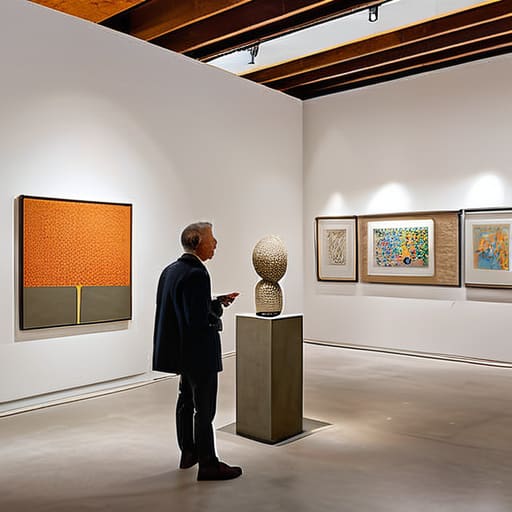

I remember standing in a drafty convention center in Basel, nursing a lukewarm espresso and watching a colleague spend three thousand pounds on a booth that looked more like a high-end boutique than an art space. Everyone around me was whispering about “brand visibility” and “market penetration,” but all I saw was a frantic, expensive dance of vanity. People love to romanticize the glamour of these events, but if you want to understand how art fairs operate, you have to stop looking at the champagne flutes and start looking at the spreadsheet. Most of the industry treats these fairs like a magic wand for sales, when in reality, they are often just high-stakes gambling dens where the house—and the organizers—always win.
I’m not here to sell you on the prestige or the networking opportunities that sound lovely on a CV but leave your bank account empty. Instead, I am going to pull back the curtain on the logistics, the predatory fees, and the brutal math that dictates whether a fair is a career milestone or a financial sinkhole. I will tell you exactly where the money goes, who is actually profiting from the madness, and how you can navigate the chaos without losing your shirt.
Deconstructing the Art Fair Application Process
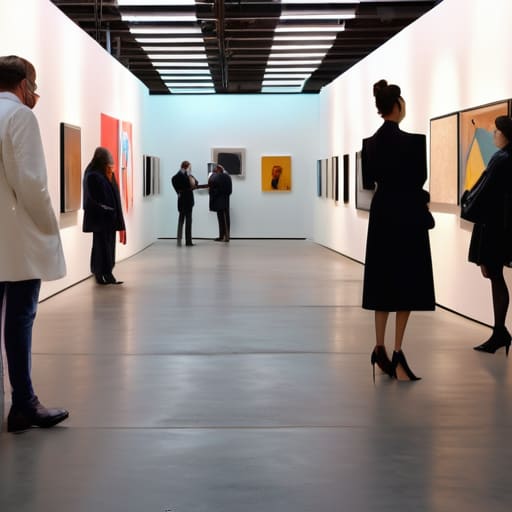
Applying for a fair is less about your CV and more about a high-stakes audition for a specific brand of prestige. When you dive into the art fair application process, you aren’t just submitting images; you are attempting to prove that your aesthetic fits the curated “vibe” the organizers have sold to their collector base. I’ve seen brilliant artists get rejected because their work looked too “difficult” for a commercial fair, while others with mediocre talent cruised through simply because they offered a cohesive, easy-to-digest visual language that promised quick sales.
There is a massive, often invisible divide between gallery vs artist-run fairs. The former is a polished, gatekept machine where the organizers act as tastemakers, charging premium fees to ensure the room feels exclusive. The latter is often a chaotic, communal effort where the burden of management falls entirely on the participants. If you are an artist trying to navigate this, remember that the selection committee isn’t just looking at your talent—they are looking at your profitability and your ability to play the game.
Hidden Realities of Art Fair Vendor Fees
Let’s stop pretending that the sticker price on your booth is the final number. When people ask me about art fair vendor fees, they usually only think about the check they write to the organizers. They forget about the “invisible” overhead that eats a commission alive. You aren’t just paying for four square meters of floor space; you are paying for the privilege of being in a room with five hundred other people all screaming for attention. Between the insurance, the specialized shipping, and the inevitable “miscellaneous” costs that crop up when a lighting rig fails, your profit margin isn’t just thinning—it’s practically evaporating.
The real divide lies in the distinction between a gallery vs artist-run fair. In a professional gallery-led event, your fee is often a blunt instrument used to fund high-level curation and security. In the artist-run circuit, the fees might look deceptively low, but you’ll find yourself acting as your own technician, marketer, and janitor. If you haven’t accounted for the true cost of presence, you aren’t participating in a market; you’re just subsidizing someone else’s weekend.
The Illusion of the Open Door
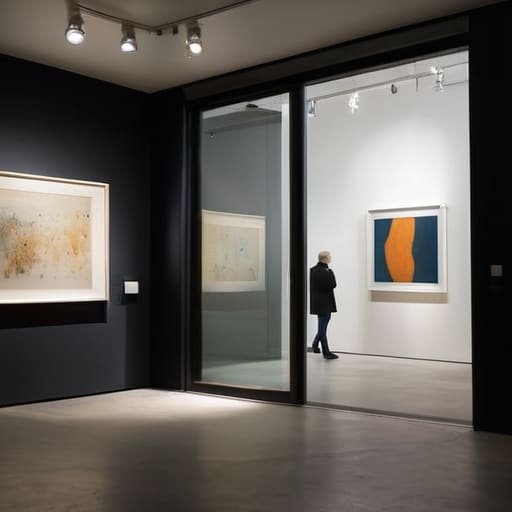
Everyone thinks an art fair is a stage for discovery, but for the organizers, it’s a high-stakes logistics business where the ‘discovery’ is just the bait used to justify a booth fee that could have paid your studio rent for a year.
Vivienne Ashworth-Pryce
The Bottom Line on the Big Show
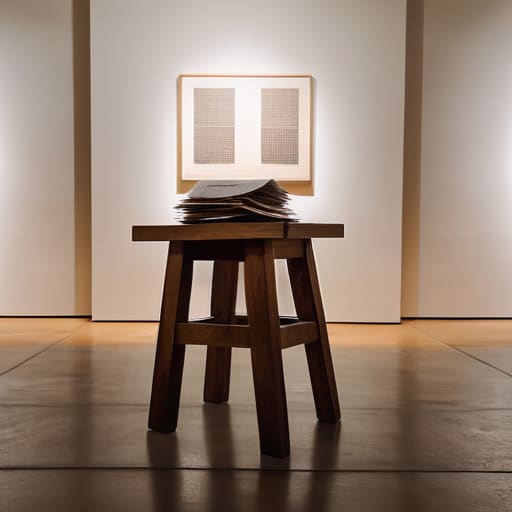
At the end of the day, an art fair is a massive, expensive gamble. We’ve looked at the grueling application process that feels like a lottery, and the staggering vendor fees that can swallow your entire quarterly profit before you’ve even hung a single canvas. You have to weigh the prestige of the booth against the reality of the logistics: the shipping, the insurance, the staffing, and that inevitable feeling of exhaustion when the doors finally close. If you go in thinking it’s a magical place where collectors simply fall in love with your soul, you’re going to lose money. You must treat it as a high-stakes business transaction where the math has to work before you ever sign that contract.
That isn’t meant to be a deterrent, though; it’s meant to be your armor. Once you strip away the champagne and the polished floorboards, you realize that these fairs are one of the few places where you can actually touch the pulse of the market. When you stop viewing the industry as a mysterious entity and start seeing it as a series of predictable, albeit expensive, mechanics, you gain the upper hand. Use the fairs to build your name and your network, but never let the spectacle distract you from protecting your margins. Knowledge is the only thing that ensures you aren’t just a participant in the machine, but a profitable artist within it.
Frequently Asked Questions
If the gallery takes their fifty percent commission, does that cover the booth fee and shipping, or am I paying for those out of my own pocket?
Oil on canvas, 40x40cm, 2024. I like the question. Here is the blunt truth: unless you have a very specific, very high-end contract, you are likely paying for those costs out of your own pocket. That fifty percent commission is for the gallery’s expertise, their client list, and their time. The booth fee, the shipping, and the travel are usually separate line items. If they aren’t, your “fifty percent” is actually much, much smaller.
How do I know if a fair is actually bringing in serious collectors or just a crowd of window-shoppers who won't spend a penny?
Look at the guest list, not the foot traffic. If the fair’s marketing focuses on “community engagement” and “vibrant crowds,” prepare to spend three days nodding politely at people who just want to see something pretty before lunch. You want to see names of established collectors, interior designers, or corporate consultants on the VIP preview list. If there isn’t a dedicated, paid-for opening night for serious buyers, you aren’t at a market; you’re at a carnival.
Is it better to go solo with a booth or find a gallery to represent me at these shows, and what does that split actually look like in practice?
Oil on canvas, 40×40, 2024. It’s a lovely piece, but your decision here isn’t about aesthetics; it’s about math. Going solo means you keep the lion’s share, but you also swallow every cost—shipping, booth fees, and the soul-crushing exhaustion of standing for eight hours. A gallery takes their fifty percent, yes, but they’re also paying the entry fees and bringing a curated client list. If you can’t sell a landscape to a stranger, pay the professional.
