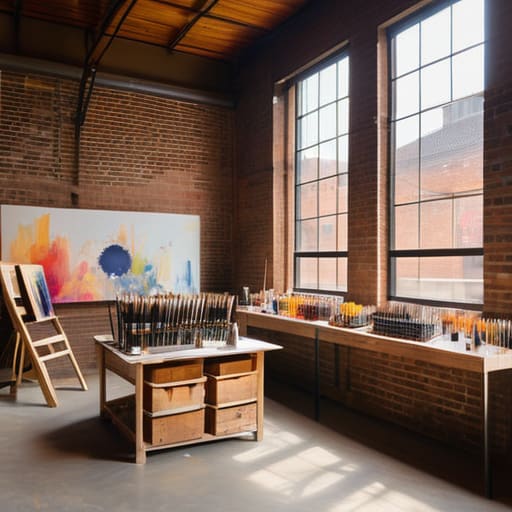

I remember a Tuesday in mid-October, years ago, when I walked into an artist’s studio for an open house that was supposed to be their “big break.” The room smelled of cheap lavender candles and desperation, and the artist spent forty minutes explaining the metaphysical significance of their color palette to a woman who clearly just wanted to know if the piece would fit above her sideboard. They had spent a fortune on printed brochures no one read, yet they hadn’t even checked if their lighting was functional or if they had a way to actually process a credit card. If you are looking for a complete guide to open studios that tells you which expensive scented candle to buy or how to curate a “vibe,” you can close this tab immediately.
I am not here to help you host a polite tea party; I am here to help you run a professional sales event. My goal is to strip away the romantic nonsense and give you the practical, hard-edged tools you need to turn a curious visitor into a committed collector. We are going to talk about floor layouts that actually move people through a space, the precise way to handle pricing inquiries without flinching, and how to capture contact information so you aren’t just shouting into the void. This is about business, not just brushstrokes.
Artist Studio Event Planning Designing an Experience Not a Mess
Most artists treat an open studio like a polite excuse to show their friends where they keep the turpentine, but if you want to actually move inventory, you have to stop hosting a viewing and start organizing a creative showcase. The biggest mistake I see is the “clutter trap.” If your workspace looks like a disaster zone of half-finished canvases and old coffee mugs, you aren’t projecting “process”; you’re projecting chaos. People don’t buy chaos. You need to curate a specific path through the room. Even in a working studio, there must be a designated, clean area where the work is presented with intention.
When it comes to selling artwork at events, the presentation of the price is just as vital as the painting itself. Do not make a collector hunt for a price list or, heaven forbid, ask you how much something is. It’s awkward for them and makes you look amateur. Have professional, printed labels ready—medium, size, year, and price—placed discreetly near the work. You want to create an environment where the art is the protagonist, not the dust on your workbench.
Organizing a Creative Showcase That Actually Commands Respect
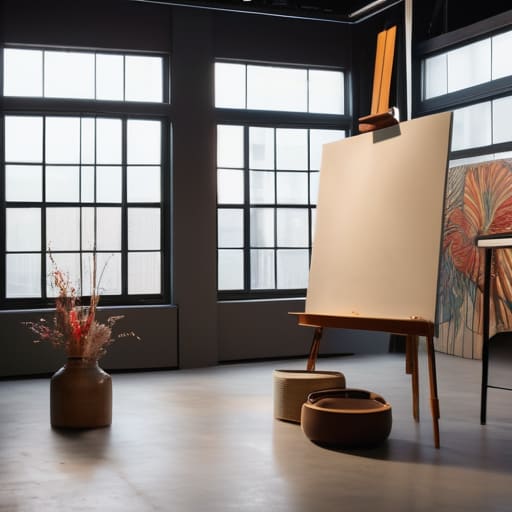
If you want people to take your work seriously, you have to stop treating your workspace like a cluttered storeroom and start treating it like a curated environment. When I was running my gallery, I saw far too many artists turn their open studios into a chaotic walk-through of their unfinished business. If you are organizing a creative showcase, you must decide which pieces are ready for a home and which are merely “in progress.” Do not force a collector to squint through a forest of half-finished canvases to find the one piece that actually speaks to them.
You also need to bridge the gap between “artist at work” and “professional for sale.” This means having a clear, physical way for people to engage with your business side. I’m talking about clean price lists, professional business cards, and a designated, tidy area for transactions. If you are serious about selling artwork at events, you cannot be fumbling through a junk drawer for a pen when someone asks for a receipt. You aren’t just showing them your process; you are showing them that you are a reliable professional who knows how to handle their investment.
The Difference Between a Visitor and a Buyer

If you invite people into your workspace, don’t mistake a polite nod of appreciation for genuine interest; you aren’t hosting a museum tour, you are running a high-stakes retail event where the most important thing you can offer isn’t a view of your process, but the professional confidence that tells a collector their money is being spent on a career, not a hobby.
Vivienne Ashworth-Pryce
The Bottom Line
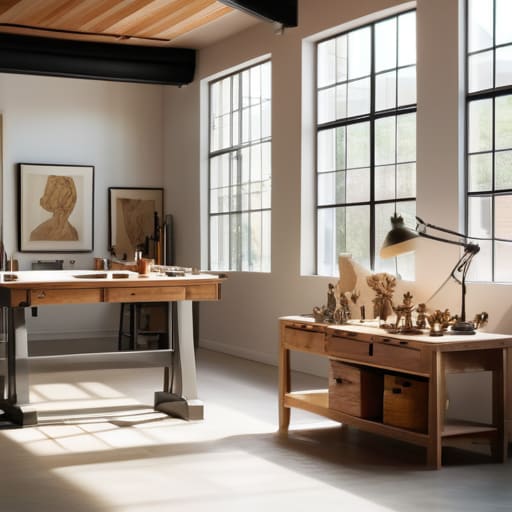
At the end of the day, an open studio is not a social call and it certainly isn’t a chance to apologize for the clutter on your workbench. We have covered the logistics: from curating a selection that speaks to a buyer’s intent, to ensuring your pricing is visible and your contact information is actually accessible. If you treat the event like a chaotic afterthought, the market will treat you like an amateur. But if you approach it with a clear plan—treating your space as a professional showroom rather than a cluttered workshop—you change the entire power dynamic. You aren’t just showing them your process; you are showing them that you are a professional who is ready to be collected.
I know the impulse to hide the mess and play the “tortured, disorganized artist” role, but please, spare us both the theatrics. The collectors who truly matter are looking for more than just a pretty object; they are looking for a reliable artist with a sustainable practice. Use this opportunity to bridge the gap between your private world and the public market. It takes courage to open the door and invite the scrutiny of a stranger, but that is exactly where the growth happens. Stop waiting for a gallery to grant you permission to be seen and start commanding the room on your own terms.
Frequently Asked Questions
How do I handle the awkward moment when someone asks for a price and I haven't actually updated my price list since last year?
Oil on canvas, 40x40cm, 2023. It’s £2,400.
If I'm not ready to sell a piece right then and there, how do I capture their information without sounding like a desperate salesperson?
Stop treating a contact sheet like a confession of failure. You aren’t begging for their number; you are offering them a seat at the table. Frame it as an invitation to the inner circle: “I’m sending out a digital catalog of this series next month; shall I add you to the list so you don’t miss it?” It’s professional, it’s low-pressure, and it transforms a cold transaction into a curated relationship.
Is it worth the investment to print professional catalogs for an open studio, or am I just throwing money at something people will leave on the floor?
Oil on canvas, 30×40, 2024. I hate the idea of waste, but I love the idea of permanence. Listen, a flimsy, photocopied flyer is just more clutter for the recycling bin. If you print a catalog, it shouldn’t be a list of prices; it should be a piece of literature that justifies the price tag. If it feels substantial in the hand, it stays on the coffee table. If it feels cheap, it goes in the bin.
