
Stop treating the acquisition of new talent like you’re navigating a high-stakes poker game where the house always wins. Most people think learning how to buy emerging artists requires a secret handshake, a membership to a private club, or a sudden, inexplicable windfall of cash. They follow the glossy, curated whispers of Instagram influencers and think they’re “discovering” something, when in reality, they’re just being fed a highly polished version of market hype. I spent twenty-six years watching collectors walk into my gallery looking for the next big thing, only to realize they had no idea why they were actually spending their money.
I’m not here to sell you a dream or teach you how to spot a “trend.” I am going to tell you how the machinery actually works, from the way a gallery justifies its commission to the way you can identify genuine technical progression before the auction houses catch wind of it. We are going to strip away the mystique and look at the cold, hard mechanics of the trade. By the time we’re done, you won’t just be buying art; you’ll be making informed investments in people, not just pretty objects.
Identifying Undervalued Contemporary Art Before the Hype Cycle

Stop looking for the next big thing in the glossy, high-gloss catalogues of the blue-chip galleries. By the time a name is being whispered in those circles, the price has already been inflated by three layers of middle-men, and you’re essentially paying for someone else’s profit margin. If you want to master the art of identifying undervalued contemporary art, you have to go where the noise is quiet. I spent decades watching collectors chase the same five names, only to realize they were buying at the absolute peak of a bubble.
The real work happens in the regional shows and the unglamorous studio visits. You aren’t looking for a finished “brand”; you are looking for a consistent visual language that shows a capacity for growth. When considering art market investment strategies, the most dangerous mistake is equating “fame” with “value.” Instead, look for artists who have a solid technical foundation and a clear, evolving concept, but who haven’t yet been “discovered” by the major auction houses. You want the artist who is working hard in a studio, not the one who is busy managing a publicist.
Gallery vs Direct Artist Purchases Where Your Money Actually Goes
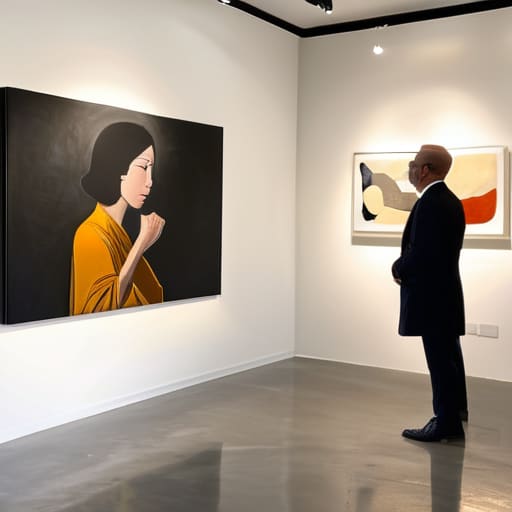
Let’s talk about the elephant in the room: that fifty percent commission. When you walk into a gallery, you aren’t just paying for the canvas and the pigment; you are paying for the infrastructure that makes the sale possible. That cut covers the rent on a physical space, the lighting, the insurance, the marketing, and—most importantly—the gallerist’s ability to spend three hours convincing a skeptical collector that a particular artist is worth the investment. In the context of gallery vs direct artist purchases, the gallery acts as a filter and a buffer. They provide the professional validation that many collectors require before they part with significant capital.
However, if you are buying directly from an artist’s studio, you might feel like you’re getting a bargain. While the price tag is lower, you are often assuming all the administrative heavy lifting yourself. You become your own archivist, responsible for tracking art provenance and authenticity from day one. Without a gallery’s meticulous records, proving the history of a piece later can become a headache. It isn’t about which is “better,” but about whether you want to pay for the security of a professional ecosystem or the raw, unmediated access of a direct transaction.
The Myth of the Bargain

Stop looking for the ‘undiscovered genius’ at a flea market price; if an artist’s work is priced so low that it feels like a steal, you aren’t finding a bargain, you’re subsidizing their inability to run a business—and you’re likely buying into a career that won’t have the structural legs to sustain its own value.
Vivienne Ashworth-Pryce
The Long Game of Collecting
At the end of the day, buying emerging art isn’t about outsmarting a market index or finding the next Basquiat before the auction houses catch wind of them. It is about understanding the mechanics of the transaction—knowing that when you pay a gallery’s commission, you are paying for provenance, physical stewardship, and the heavy lifting of salesmanship, and knowing when that cost is actually justified. If you can navigate the gap between buying direct from a studio and navigating a commercial space, you stop being a victim of information asymmetry and start becoming a strategic participant in an artist’s career.
Don’t let the fear of making a “bad” investment paralyze you. Even if a particular artist’s trajectory plateaus, a piece of work that speaks to you remains a triumph of personal taste. Buy because the work demands to be in your room, not because a spreadsheet told you it might appreciate by ten percent by next Christmas. The most successful collectors I ever knew weren’t the ones with the biggest bank accounts; they were the ones who had the courage to trust their eyes while keeping a very sharp, very clear-eyed look at the fine print.
Frequently Asked Questions
If I buy directly from an artist to save on the commission, am I accidentally hurting their chances of being taken seriously by major galleries later?
Oil on canvas, 40x40cm, 2023. I don’t like the implication that your generosity is a trap, but it often is. Yes, you might be. Major galleries look for “provenance” and price consistency. If they see an artist selling for half the market rate via Instagram DMs, they won’t touch them; they can’t protect their own margins. You aren’t just saving 50%; you’re potentially devaluing their future. Buy direct if you want a friend; buy through a gallery if you want a career.
How can I tell if an artist's rising prices are based on genuine market demand or just a gallery aggressively pushing their inventory?
Oil on canvas, 40x40cm, 2023. I like it, but let’s look at the math. If the price jumps every time a new show opens but the artist’s secondary market is dead and their exhibition history is just a string of local group shows, you’re being sold a manufactured spike. Genuine demand shows up in waitlists and collectors holding onto work; aggressive pushing shows up in “limited time” urgency and a gallery that suddenly forgets how to be subtle.
What specific paperwork or provenance should I demand from an emerging artist to ensure my investment holds any actual value in ten years?
Oil on canvas, 40x40cm, 2024. It’s a lovely piece, but let’s talk about the boring stuff that actually matters.
