

I remember sitting in my gallery back in 2012, watching a young painter stare at a blank wall because he couldn’t afford the shipping costs to get his work to a major city show. Back then, you were either “in” or you were invisible, and the gatekeepers held the keys to both. Today, people act as if a smartphone is a magic wand, but let’s be clear: knowing how social media serves artists isn’t about chasing likes or performing a digital dance for an algorithm that doesn’t care about your brushwork. It’s about realizing that the old, dusty barriers to entry are finally crumbling, allowing you to bypass the people who used to decide your worth based on a cocktail party invitation.
I’m not here to sell you on some “influencer” nonsense or tell you that you need ten thousand followers to pay your rent. What I am going to do is strip away the romanticism and show you how to use these tools to build a real business. We are going to discuss how to turn digital eyes into actual collectors, how to maintain your dignity while being “online,” and how to ensure your platform serves your practice rather than consuming it.
Visual Storytelling for Artists Beyond the Polished Grid
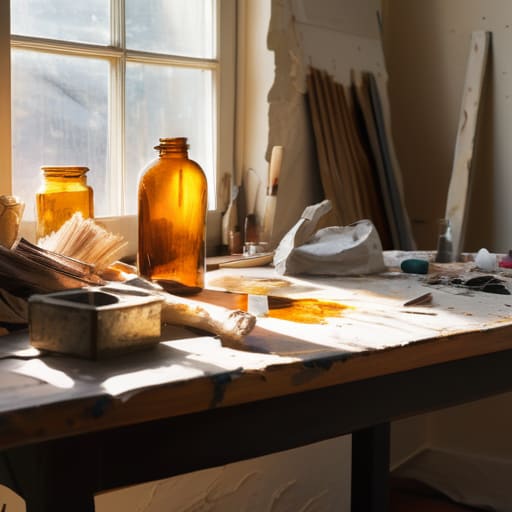
Everyone thinks they need a curated, sterile grid that looks like a high-end showroom, but that is a recipe for boredom. If you only post the final, polished piece under a studio light, you aren’t telling a story; you’re just uploading a catalog entry. Real visual storytelling for artists happens in the mess. I want to see the charcoal smudge on your cheek, the way the light hits the turpentine in your jar, and the three failed canvases you pushed into the corner before you found the right line. Collectors don’t just buy a rectangle of pigment; they buy the fact that you are a human being capable of making it.
The mistake I see most often is treating these platforms like a static museum wall. If you want actual social media engagement for creators, you have to stop performing and start participating. It is far more effective to show the struggle of a medium that won’t cooperate than to pretend your process is a seamless, magical descent from inspiration to finished product. People connect with the friction, not the perfection.
Digital Art Marketing Strategies That Actually Pay the Rent
Let’s be clear: “likes” don’t pay the studio rent, and a viral video of you mixing cobalt blue won’t cover your VAT return. If you are treating your presence online as a mere digital portfolio, you are missing the point entirely. Effective digital art marketing strategies aren’t about chasing fleeting trends; they are about moving a stranger from a state of casual curiosity to the point where they feel comfortable clicking a “buy” button. You have to bridge the gap between a thumb-scroll and a bank transfer by demonstrating the value of what you do.
This means moving beyond the vanity metrics. Instead of obsessing over every fluctuating trend, focus on building an online art community—a group of people who actually care about your process and your progression. When you foster genuine connection, you aren’t just shouting into the void; you are cultivating a list of potential collectors. This is how you begin monetizing art through social platforms without feeling like a common street hawker. You aren’t selling a product; you are inviting people to participate in your career.
The Death of the Gatekeeper
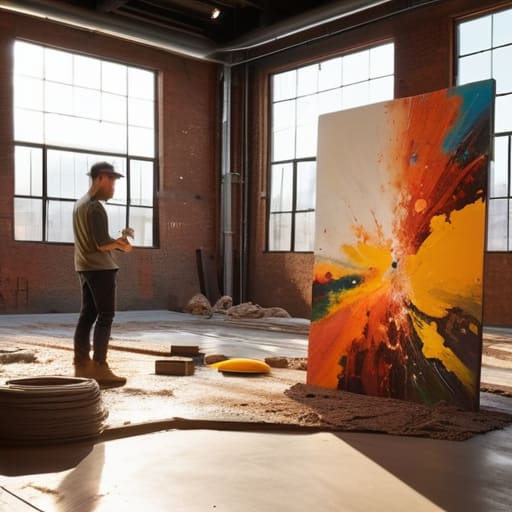
For decades, a gallery director held the keys to the kingdom, deciding who was ‘worthy’ of being seen and, more importantly, who was worth talking to. Social media hasn’t just given you a megaphone; it has stripped those gatekeepers of their most precious commodity: the ability to keep you in the dark about who is actually interested in your work.
Vivienne Ashworth-Pryce
The Bottom Line
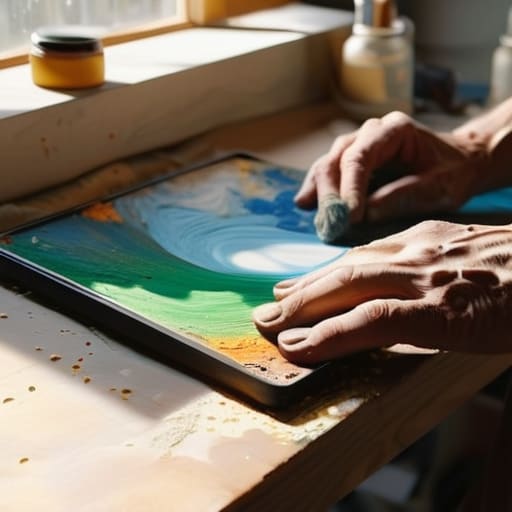
At the end of the day, social media isn’t some magical wand that will make you a household name overnight, nor is it a replacement for the rigorous work of making art. It is, however, a tool for reclaiming the narrative. We’ve discussed how moving beyond the “perfect grid” allows for genuine connection, and how specific, targeted marketing is what actually puts food on your table. When you use these platforms to show the process, the struggle, and the finished piece, you aren’t just “posting content”—you are building a bridge between your studio and the person who will eventually hang that work in their living room. It is about closing that information gap I’ve spent my career complaining about.
Don’t let the algorithms intimidate you or make you feel like you need to be a full-time influencer just to be a painter. You are an artist first, and the digital world should serve your practice, not the other way around. Use it to find your people, to explain your prices with confidence, and to ensure that when a collector finds you, they find the real version of your work. The gatekeepers of my era might have held the keys, but you hold the megaphone. Now, go use it.
Frequently Asked Questions
If I’m building a following online, at what point does it become a distraction that actually stops me from making the work?
Oil on canvas, 40cm x 40cm, 2024. I like that you’re asking this, because it’s the most dangerous trap in the business. It becomes a distraction the moment you start making decisions based on what the algorithm wants rather than what the work requires. If you’re checking engagement metrics while you should be mixing pigment, you’ve stopped being an artist and started being a content creator. One pays the bills; the other just keeps you busy.
How do I transition a "follower" into a "collector" without feeling like a common salesperson?
Stop thinking of it as “selling” and start thinking of it as “placing.” A follower likes the image; a collector wants to own the story behind it. When you move from posting a photo to explaining the struggle of the pigment or the scale of the canvas, you aren’t being a salesperson—you are being a guide. You aren’t asking for money; you are offering them the chance to steward a piece of your life.
Is there a way to use social media to attract serious collectors rather than just other artists who want to swap likes?
Stop performing for your peers and start documenting for your patrons. Other artists want to see your process; serious collectors want to see the provenance and the presence of the work in a life. Stop posting “work in progress” shots that look like a messy studio floor and start showing how a piece commands a room. If your feed looks like a workshop, you’ll attract hobbyists. If it looks like a curated collection, you’ll attract buyers.
