
I remember a Tuesday afternoon in 2004, standing in the back office of my gallery with a local collector who was clutching a “limited edition” lithograph like it was a holy relic. He had paid three months’ mortgage for it, only to realize—after a very awkward conversation—that he’d actually bought a high-end digital giclée that had been slapped with a fancy number in the corner. It’s the industry’s dirty little secret: the line between a genuine piece of printmaking and a glorified photocopy is often blurred by people who are very good at using expensive words to mask a lack of substance. If you don’t know how to tell an original print from a reproduction, you aren’t collecting; you’re just subsidizing someone else’s marketing budget.
I am not here to give you a lecture on the chemistry of ink or the history of the Renaissance. Instead, I’m going to give you the practical, tactile toolkit I used for twenty-six years to protect my clients’ wallets. We are going to talk about paper weight, the tell-tale sign of the plate mark, and exactly what questions you need to demand an answer to before you ever reach for your checkbook.
Identifying Fine Art Prints Before the Markups Begin
If you’re standing in a boutique or a high-end gift shop, you aren’t looking for art; you’re looking at marketing. The first step in identifying fine art prints is to stop listening to the salesperson and start looking at the physical object. Most people get tripped up by the terminology, but you need to know the difference between a lithograph and a giclee before you even reach for your wallet. A lithograph involves a stone or plate and a physical transfer of ink that has a certain soul to it; a giclee is often just a very expensive inkjet printer doing its best impression of a masterpiece.
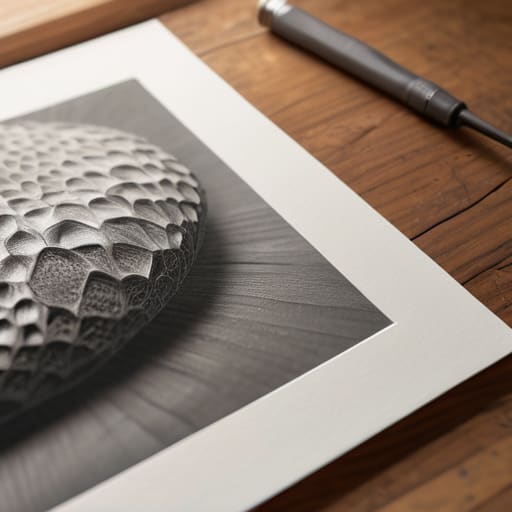
Don’t let a glossy finish fool you. I always tell my clients to start examining paper texture and ink under a decent light. If you see a regular dot pattern—that tiny, mechanical honeycomb structure you see in magazines—you aren’t looking at a fine art print; you’re looking at a glorified photocopy. A true limited edition should have a weight and a tooth to the paper that feels intentional, not like something pulled from a standard office tray.
Limited Edition vs Open Edition Where the Value Dissolves
Here is the distinction you need to grasp before you sign a check: an open edition is not an investment; it is decor. When a seller tells you a print is “limited,” they are often using the term loosely to justify a markup that doesn’t exist. In a true limited edition, the artist has signed their name and, crucially, numbered the piece—usually something like 4/50. That number is your only protection against scarcity. If there is no number, or if the “edition” is an indefinite run of five hundred, you aren’t collecting; you are simply detecting mass produced art in a very expensive frame.
The real danger lies in the technical difference between lithograph and giclee. A giclee can be a beautiful, high-quality inkjet print, but if it’s being sold as an “original print” without any oversight on the edition size, the value will evaporate the moment the next person walks into the room. When identifying fine art prints, I always tell my clients to look for the physical constraints. A limited run implies a ceiling on supply; an open edition is a bottomless well. If there is no ceiling, there is no value.
The Paper Trail of Truth
If you’re looking at a piece and the salesperson is talking more about the ‘vibe’ of the image than the weight of the paper or the specific proof of the edition, walk away; a true print is a technical achievement with a paper trail, while a reproduction is just a very expensive way to buy someone else’s digital file.
Vivienne Ashworth-Pryce
Don't Pay for a Lie

At the end of the day, distinguishing between a fine art print and a glorified photocopy comes down to three things: the paper, the edition, and the audacity of the seller. If you aren’t looking for a signed number, a clear statement of edition size, or the physical texture of ink sitting on high-quality rag paper, you are essentially gambling with your capital. Remember, a reproduction is a decorative object; a limited edition print is a piece of an artist’s legacy. If the salesperson can’t tell you the paper weight or the specific printing method—be it lithography, etching, or giclée—then they are likely trying to sell you a souvenir at a fine art price point.
I spent twenty-six years watching collectors walk into my gallery with beautiful intentions and empty pockets because they didn’t know the difference. My advice is simple: buy what moves you, but never let your passion for an image blind you to the mechanics of the transaction. When you do your homework and demand transparency, you aren’t being difficult; you are being a professional. You deserve to own something that holds its value long after the initial thrill of the purchase has faded. Invest in the craft, not just the image.
Frequently Asked Questions
If a print is signed in pencil by the artist, does that automatically make it a high-value limited edition rather than a mass-produced reproduction?
Oil on paper, 10 x 12, 2023. No, it doesn’t. Don’t let a graphite squiggle fool you into thinking you’ve found a treasure. I’ve seen plenty of “signed” open editions where an artist sits down with a box of prints and signs the bottom just to justify a higher price tag. A signature is a gesture, not a guarantee. Unless you can see a numbered edition that matches a documented run, that pencil mark is just expensive decoration.
How can I tell if a "giclée" is actually a fine art print or just a fancy marketing term for a high-quality inkjet photocopy?
Listen, “giclée” is the most expensive-sounding word for the cheapest trick in the book. It’s marketing fluff designed to make a high-end inkjet print sound like a masterpiece. To tell the difference, stop looking at the name and start looking at the paper and the ink. If it’s on standard coated paper and lacks a signed edition number, it’s a glorified photocopy. A real fine art print uses archival pigment inks on heavy, acid-free rag paper. If they can’t show you the specs, they’re selling you a buzzword, not a collectible.
Is there a way to verify the edition number and the authenticity of a print if I'm buying from a private collector rather than a reputable gallery?
Oil on paper, 12×16, 2018. It’s a lovely piece, but buying from a private individual is like navigating a minefield without a map. You must demand the Certificate of Authenticity—and don’t just take their word for it. Ask for the artist’s contact or the original gallery invoice. If the edition number on the print doesn’t match the documentation, walk away. In the private market, if you can’t prove the provenance, you aren’t buying art; you’re buying a gamble.
