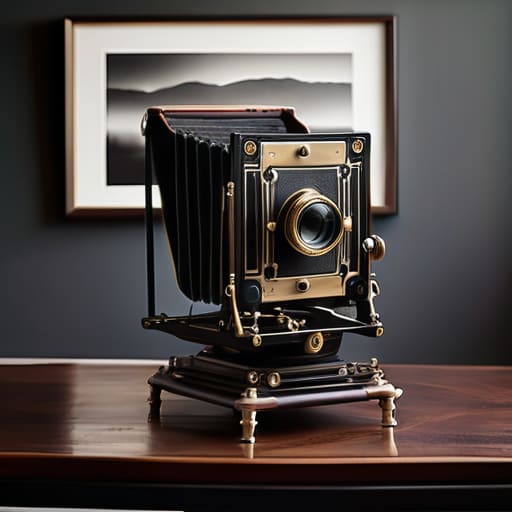

I remember sitting in a drafty backroom of a London gallery in the late nineties, watching a collector stare at a large-scale gelatin silver print with the same skeptical squint one might reserve for a confusing tax return. He wasn’t looking at the composition or the light; he was looking for the brushstrokes. For decades, the art market treated anything captured by a lens as a mere mechanical byproduct, a way to document reality rather than interpret it. If you want to understand how photography became fine art, you have to stop looking at the technology and start looking at how the gatekeepers—the critics, the curators, and the people with the checkbooks—decided to stop treating the camera as a tool of documentation and start treating it as a manifestation of intent.
I am not here to bore you with a dry timeline of shutter speeds or chemical compositions. Instead, I’m going to pull back the curtain on the market mechanics that shifted the needle. I will tell you exactly how the transition from “snapshot” to “investment grade” actually happened, stripping away the academic fluff to show you how prestige is manufactured and sold.
The Pictorialism Movement History Manufacturing Artistic Legitimacy
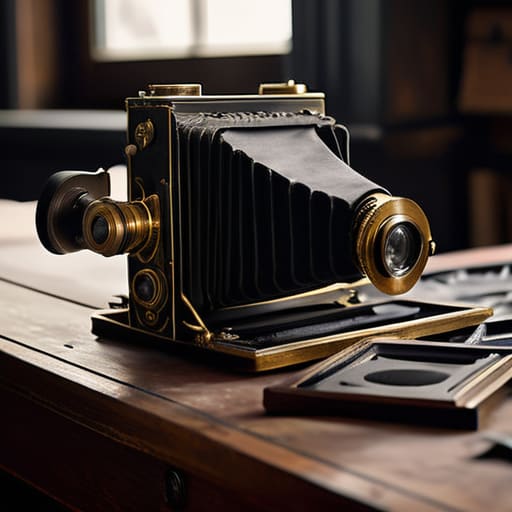
If you want to understand the pictorialism movement history, you have to stop looking at what the camera was doing and start looking at what the photographers were doing to the camera. In the late 19th century, photographers were tired of being treated like mere technicians—the people you hired to document your wedding or your property. They didn’t want to be seen as recorders of reality; they wanted to be seen as creators of it. To bridge that gap, they began manipulating their prints using soft focus, heavy textures, and complex chemical processes that made a photograph look more like a charcoal drawing or a watercolor painting.
This wasn’t just an aesthetic choice; it was a calculated move to force the evolution of photographic aesthetics into the realm of high art. By making a photograph look “difficult” to produce, they were signaling to the collectors and museum curators of the day that this wasn’t just a mechanical reproduction. They were manufacturing legitimacy. They understood, perhaps better than many artists do today, that if you want to play in the big leagues, you have to move away from the “easy” button of a sharp, clear image and start demonstrating a level of manual, intentional craft that justifies a higher price tag.
The Transition From Documentary to Art Photography

The real friction point wasn’t just about the look of the image; it was about the intent behind the shutter click. For decades, if you handed a photograph to a collector, they saw a mechanical reproduction—a way to record a crime scene or a family picnic. There was no “soul” in the machine, or so they thought. The transition from documentary to art photography required a fundamental shift in how we perceived the person behind the lens. It wasn’t enough to simply capture what was there; the photographer had to prove they were interpreting the world, not just mirroring it.
This is where the market finally began to wake up. Collectors started looking for more than a clear record; they wanted a vision. We saw an evolution of photographic aesthetics where the technical perfection of the lens was intentionally subverted to show the hand of the artist. Once the industry moved away from the idea that a photograph was merely a piece of evidence, the doors to the high-end market swung open. It stopped being about the subject matter and started being about the singular perspective of the creator.
The Illusion of the Instant

We have to stop pretending that ‘art’ is something inherent in the object itself; a photograph becomes fine art the moment the gatekeepers decide that the person behind the lens wasn’t just capturing a moment, but was instead making a series of expensive, deliberate choices that justify a price tag.
Vivienne Ashworth-Pryce
The Long Game of Legitimacy
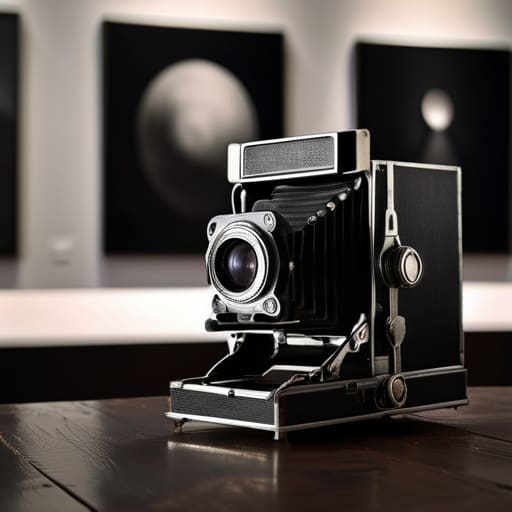
We have seen that the climb from “mere documentation” to the gallery wall wasn’t an accident of technology, but a calculated shift in how we define intent. From the soft-focus manipulations of the Pictorialists to the hard-edged, conceptual shifts of the mid-century, photography had to fight for its right to be seen as more than a mechanical record. It required the gatekeepers—the critics, the curators, and yes, the gallerists—to stop looking at the camera and start looking at the vision behind the lens. It wasn’t enough to capture a moment; the artist had to prove they were shaping the moment through a deliberate, aesthetic choice.
For the modern photographer, this history is a vital reminder that your medium’s value isn’t found in the megapixels or the gear you carry, but in the intellectual weight of your perspective. The struggle for legitimacy is largely won, but the struggle for value is ongoing. Don’t let anyone tell you that your work is just a “print” because it lacks the texture of oil on canvas. You are participating in a century-old tradition of reclaiming the machine for the sake of the soul. Own your narrative, price your work with the confidence of an artist who knows their history, and remember that prestige is earned, one intentional frame at a time.
Frequently Asked Questions
If the history of photography is so well-documented, why does it still feel like such a struggle for contemporary photographers to command the same prices as painters?
Because the market is still obsessed with the myth of the “unique object.” A painter can claim a singular, physical soul exists in a canvas, whereas a photographer is still fighting the ghost of infinite reproducibility. Even with expensive pigment prints, collectors struggle to grasp why they’re paying five figures for something that exists as data. It’s not a failure of the art; it’s a failure of the market to value scarcity in a digital age.
How much of this "fine art" status was actually about the quality of the images, and how much was just clever marketing by the early gatekeepers?
Let’s be blunt: it was a bit of both, but the marketing did the heavy lifting. You can have the most technically sublime image in the world, but if the people holding the keys to the salons don’t agree it’s “art,” it’s just a very expensive piece of paper. The early gatekeepers didn’t just find art; they manufactured legitimacy by creating a vocabulary that separated “craft” from “vision.” It was strategic, it was elitist, and it worked.
Once the medium finally gained legitimacy, how did the shift from "capturing reality" to "expressing a vision" change what collectors actually look for when buying a print?
Oil on canvas, 24×30, 2024—I suppose I like the shift. Once the medium moved from “look at this thing I found” to “look at how I see this thing,” the buyer’s psychology flipped. Collectors stopped looking for a clear window into the world and started looking for the fingerprint of the maker. They aren’t buying a record of a landscape anymore; they’re buying a piece of the artist’s specific, curated perspective.
