

If you think “how gallery marketing works” involves a high-priced publicist, a glossy coffee-table catalog, or some mystical ritual of sending invitations to the right socialites, I have some rather sobering news for you. For twenty-six years, I sat in my gallery and watched people mistake vanity for visibility. Most of the “marketing” people talk about in the art world is just expensive window dressing designed to make the process look more sophisticated than it actually is. In reality, marketing isn’t about the aesthetic of the invitation; it is the gritty, often unglamorous work of managing relationships and justifying why I am allowed to take half of your hard-earned commission.
I’m not here to sell you on the dream of the velvet-rope lifestyle. Instead, I am going to pull back the curtain on the uncomfortable mechanics of the trade. I will tell you exactly how a gallery builds a collector base, how we decide which names to push, and—most importantly—how you can tell if your representative is actually working for you or just waiting for the phone to ring. This is the truth about the business, stripped of the pretension.
Fine Art Audience Development or Just Fancy Dinner Parties

I’ve sat through enough gallery opening event planning sessions to know that there is a massive difference between a room full of people drinking free Prosecco and a room full of people actually interested in your work. For years, I watched young gallerists mistake a crowded floor for success. They think that if they invite every local socialite and their bored cousins, they’ve mastered fine art audience development. They haven’t. A crowd is just noise; a client list is an asset.
Real marketing isn’t about the spectacle; it’s about the quiet, tedious work of art collector engagement strategies. It’s the follow-up email three days later that doesn’t feel like a sales pitch, but a continuation of a conversation about a specific brushstroke. When I ran my gallery, I didn’t care if the opening felt like a circus. I cared that the five people who walked in with serious bank accounts felt seen, understood, and—most importantly—convinced that the work was worth the investment. If you’re just throwing parties to feel important, you aren’t running a business; you’re hosting a social club.
Digital Marketing for Art Galleries Selling the Illusion
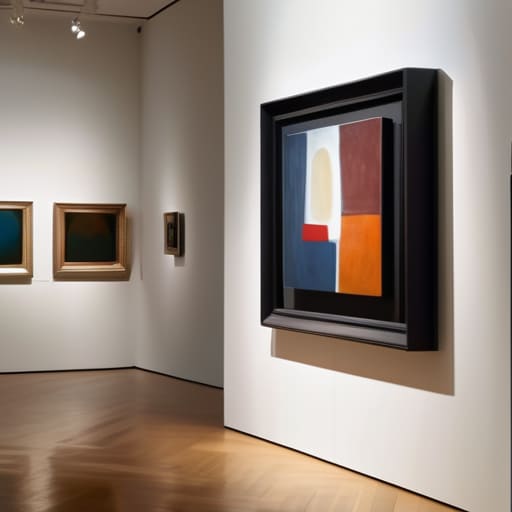
Don’t let the Instagram influencers fool you; a high follower count is often just a vanity metric that pays zero rent. When I ran my gallery, we didn’t post for the sake of posting. Real digital marketing for art galleries isn’t about chasing likes from teenagers in Berlin; it’s about using those platforms to curate a sense of scarcity and prestige. You aren’t just selling a canvas; you are selling the idea that owning this specific piece makes the buyer part of an inner circle.
The mistake most young galleries make is treating social media like a digital flyer. If you want actual results, you need to focus on building an art brand identity that feels consistent whether someone is looking at your website or a grainy photo of a studio visit. It’s about creating a digital atmosphere that justifies the price tag. If your online presence feels cheap or disorganized, no amount of clever exhibition promotion techniques will convince a serious collector to wire you five figures for a painting. You have to sell the illusion of excellence before they ever step through the door.
The Myth of the Magic Catalog

Marketing in a gallery isn’t about broadcasting your existence to the world; it’s about the curated, expensive, and often exhausting work of convincing the right three people that owning your piece will make their living rooms feel more significant. When I took my commission, I wasn’t paying for glossy brochures—I was paying for the privilege of being the person those three people trusted enough to listen to.
Vivienne Ashworth-Pryce
The Bottom Line
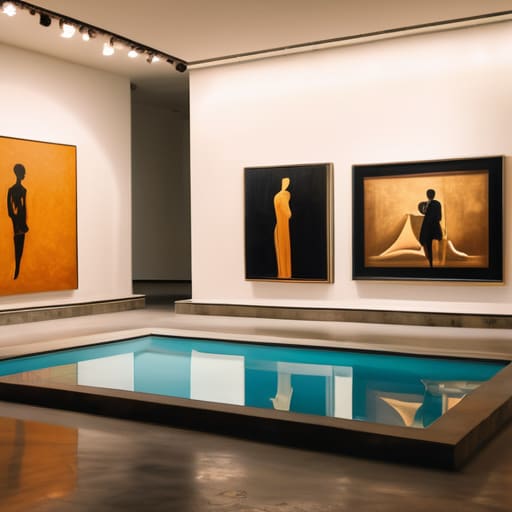
At the end of the day, gallery marketing is a sophisticated machine designed to bridge the gap between a studio in a drafty warehouse and a living room in a zip code you’ve never visited. Whether it is the curated social media feed that builds the illusion of exclusivity or the strategic dinner party that turns a casual admirer into a lifelong patron, every move is calculated to build perceived value. You have to understand that when a gallery takes their cut, they aren’t just paying for a white wall and a spotlight; they are paying for the infrastructure of desire. They are the ones navigating the social complexities and the digital noise to ensure that when a collector finally stands in front of your canvas, they aren’t just looking at paint—they are looking at an investment.
My advice to you is simple: do not let the machinery intimidate you, but do not let it blind you either. Knowledge is the only thing that levels the playing field in an industry built on secrets. Once you pull back the curtain and see how the marketing engine actually runs, you can stop being a passive participant and start being a business partner to your representation. You don’t need to be a marketing genius, but you do need to be unapologetically aware of your own worth. Now, go back to your studio, make something worth talking about, and for heaven’s sake, keep a very close eye on your contracts.
Frequently Asked Questions
If the gallery is doing all this "audience development," why am I still the one doing most of the heavy lifting on social media?
Because you’re providing the raw material and they’re providing the stage. A gallery’s “audience development” is about curation and high-level networking—it’s the heavy lifting of convincing a collector that a £5,000 investment is a sound decision. But they can’t manufacture the soul of the work; they need your process, your face, and your updates to feed the algorithm. They build the prestige; you build the connection. It’s an exhausting partnership, I know.
Does a gallery's marketing budget actually go toward reaching new collectors, or is it just paying for the champagne at the opening?
Oil on canvas, 60x80cm, 2024. It’s a cynical question, but a fair one. The truth is, it’s both. A significant chunk of that marketing budget is indeed “the champagne”—it’s the cost of creating an atmosphere where a collector feels safe enough to spend five figures. But if a gallery isn’t also spending on targeted digital placement or high-end print catalogs, they aren’t marketing; they’re just hosting a party for people who already know they’re rich.
At what point does a gallery's marketing strategy stop being an investment in my career and start being a way to justify their commission?
Oil on canvas, 40×40, 2024. I like it, but let’s get real. It stops being an investment the moment you stop seeing new names in your collector database and start seeing the same three people at every opening. If they aren’t opening doors to new rooms, they aren’t marketing; they’re just hosting expensive cocktail hours to maintain their own social standing. If the “strategy” only results in your work sitting in a beautiful showroom, they’re just coasting on your talent.
