
I remember a Tuesday afternoon in my old gallery, watching a local painter attempt to explain the “spiritual journey” of a series of landscapes to a collector who just wanted to know if the piece would look right above a mid-century sideboard. It was awkward, it was long, and it was a complete waste of everyone’s time. Most people treat the concept of an open studio like it’s some sacred, mystical pilgrimage where the artist reveals their soul, but let’s be honest: if you don’t understand how open studios work from a commercial standpoint, you aren’t hosting an event, you’re just hosting a very expensive housewarming party.
I’m not here to tell you how to hang fairy lights or which organic Chardonnay pairs best with oil paint. I am going to tell you how to treat your workspace like the professional storefront it actually is. We are going to strip away the romantic nonsense and talk about the mechanics: how to price your work on the spot without your hands shaking, how to vet a “browser” versus a serious buyer, and how to ensure that when the doors finally close, you aren’t just left with a pile of empty bottles and zero sales.
Marketing for Open Studio Events That Actually Drive Traffic
Most artists treat marketing for open studio events like a chore—a frantic burst of Instagram stories and a few polite emails to their existing list—only to spend the actual day staring at an empty doorway. If you want to stop praying for foot traffic and start actually increasing studio visitor numbers, you have to stop acting like a hermit and start acting like a host. People don’t just want to see paint on canvas; they want to feel like they’ve been granted access to a private world. Use your social media to show the mess, not just the finished product. Show the turpentine-stained rags and the half-finished sketches. It builds a narrative of process that makes the eventual sale feel earned rather than transactional.
Once you’ve actually managed to get them through the door, your art sale strategies for artists need to be seamless. This isn’t the time to be shy about your pricing or to fumble through a conversation about whether a piece is “available.” Have your price list printed, professional, and ready to hand over. If you spend the whole afternoon apologizing for your prices, you aren’t just being modest; you are undermining the value of your own labor before they’ve even reached for their checkbook.
Studio Walkthrough Preparation for the Unfiltered Truth
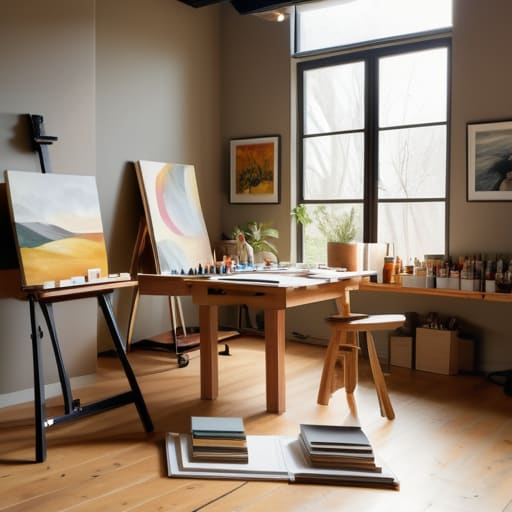
When people walk into your workspace, they aren’t just looking at the art; they are looking at you to see if you are a professional or a hobbyist with a messy desk. Proper studio walkthrough preparation means having your work staged so that it breathes. I’ve seen far too many artists try to hide their “process” by shoving half-finished canvases into a corner, but collectors actually want to see the grit—provided it isn’t literal dust. You need a clear path, decent lighting, and a designated spot where a sale can actually happen. If a collector has to dodge a turpentine bucket just to see a landscape, you’ve already lost the momentum.
Beyond the aesthetics, you must master the art of the conversation. This is where most artists stumble during artist studio visit etiquette; they either talk too much about their childhood trauma or they become so silent they’re practically invisible. You aren’t there to perform a monologue, but you shouldn’t be a statue either. Have your price lists ready—printed, not just on a phone—and be prepared to discuss your art sale strategies for artists without looking like you’re ashamed of the transaction. If you act like a merchant, they will treat you like a professional.
The Myth of the Casual Visitor
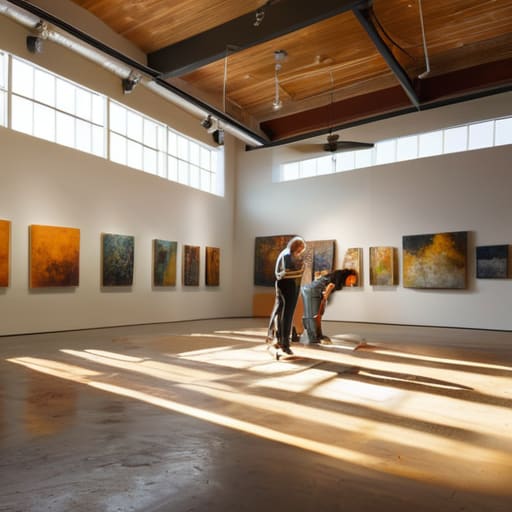
An open studio isn’t a polite social call or a chance to show off your messy workspace; it is a high-stakes retail environment without the velvet ropes. If you treat every visitor like a guest in your home rather than a potential patron, you will spend the afternoon being charmingly polite while your bank account remains exactly where it started.
Vivienne Ashworth-Pryce
The Bottom Line
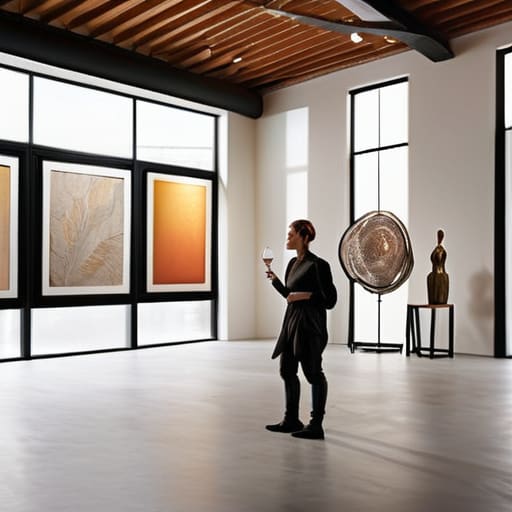
At the end of the day, an open studio isn’t a social mixer or a casual stroll through your workspace; it is a high-stakes business event that you happen to be hosting in your own home. You’ve done the hard work of marketing the date and the meticulous work of prepping your inventory, so don’t let the momentum die when the first visitor walks through the door. Remember that you are there to bridge the gap between the creative act and the commercial reality. If you can master the art of talking about your prices without looking at the floor, and if you can treat your studio like a professional showroom rather than a cluttered workshop, you will stop being an artist who happens to have visitors and start being an artist who runs a business.
Don’t let the intimidation of the “market” keep you from opening your doors. The truth is, most collectors are actually quite nervous about walking into a stranger’s workspace, and they are looking to you to lead the way. When you strip away the pretension and the gatekeeping, an open studio is simply a moment of radical transparency. It is your chance to show people that the work is real, the process is rigorous, and the value is undeniable. Go into your next event not looking for a patron to rescue you, but looking for the right people to join your journey. You have the work; now, give them the permission to buy it.
Frequently Asked Questions
If I'm selling directly from my studio, do I still need to account for the 50% commission I'd normally give a gallery?
Oil on canvas, 40x40cm, 2024. I love the texture, but let’s talk about the math.
How do I handle a collector who wants to haggle on the spot when I'm in the middle of a walkthrough?
Oil on canvas, 40cm x 40cm, 2023. It’s a lovely piece, but let’s be clear: a studio isn’t a flea market. When they push, don’t flinch. Smile and say, “I keep my pricing consistent to protect the value of my work for everyone who collects it.” If they’re serious, offer to send a formal invoice or discuss a payment plan. Never trade a discount for a sale; you’re selling your career, not a clearance item.
Is it better to show my finished, ready-to-hang pieces or the messy, half-completed works that show my process?
Oil on canvas, 40×30, 2024. I love the grit of it, but let’s be practical. Show both, but for different reasons. The finished pieces are your closing arguments; they prove you can actually finish a thought and provide something worth a collector’s money. The messy, mid-process works are your storytelling tools. They justify your price tag by showing the labor involved. Don’t just show a mess; show the evolution from chaos to commerce.
