

I remember a Tuesday afternoon in 2008, standing in the back storage room of my gallery, staring at a crate of oil on canvas, 120cm x 150cm, 2006, that had arrived from a visiting artist’s studio. The paperwork was a mess, the insurance rider was non-existent, and I realized with a sinking feeling that if a pipe burst that night, the artist would be left with nothing but a polite apology and a broken heart. Most people will tell you that you need a team of expensive lawyers to handle your logistics, but that’s a lie designed to keep your margins thin. The truth about how to protect work held by others isn’t found in a mahogany-row law firm; it’s found in the unsexy, granular details of a well-drafted consignment note and a clear understanding of liability.
I am not here to sell you on the romance of the art world; I am here to give you the tools to survive it. In this piece, I’m stripping away the industry jargon to show you exactly what a proper agreement looks like and how to ensure your physical assets don’t become someone else’s unaccountable headache. We are going to talk about insurance, transit, and the specific clauses that actually matter when your hard work is out of your hands.
Documenting Ownership of Creative Assets Before the Handshake

I’ve seen it happen a hundred times: an artist walks into a studio or a gallery, shakes a hand, and leaves their most valuable assets behind on a wing and a prayer. They think the “vibe” is the contract. It isn’t. Before you even consider letting a curator, a photographer, or a collaborator touch your physical or digital files, you need to be documenting ownership of creative assets in a way that doesn’t rely on anyone’s good intentions. This isn’t about being litigious; it’s about being professional.
If you are collaborating on a project, you must be hyper-vigilant about work for hire clauses. In my years running the gallery, I saw too many young painters hand over rights to a series simply because they didn’t realize that “working together” doesn’t automatically mean “owning together.” If you don’t have a paper trail—even a simple, signed email outlining who owns what—you are essentially handing over the keys to your house and hoping the guest doesn’t change the locks. Treat your work like the capital it is.
Copyright Infringement Prevention in the Age of Exploitation
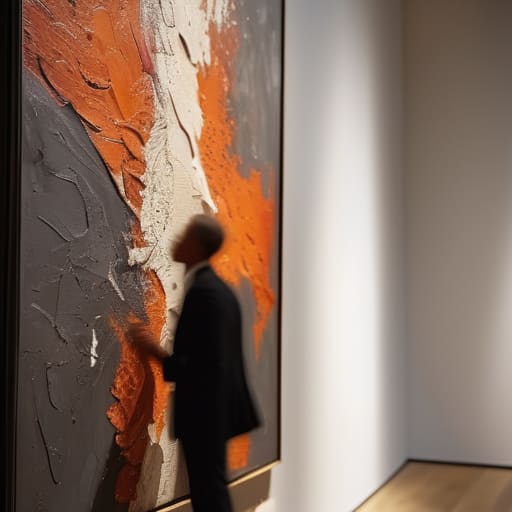
Let’s be blunt: in my years running the gallery, I saw more artists lose their shirts to “accidental” inspiration than to actual theft. People will look at your canvas, nod politely, and then suddenly a “similar” motif appears on a textile line or a commercial print. This isn’t just bad luck; it is a failure of copyright infringement prevention. You cannot rely on a handshake or the perceived “goodwill” of a dealer or a collaborator. If you haven’t explicitly defined what is yours and what they are permitted to do with it, you are essentially handing them a blank check signed with your name.
When you are collaborating or working on a commission, you must be hyper-vigilant about work for hire clauses. I have seen far too many young painters sign contracts that inadvertently strip them of their rights, turning their unique visual language into something the client “owns” entirely. You aren’t just selling a physical object; you are licensing an idea. If you don’t draw a hard line around where your ownership ends and their usage begins, you aren’t just being generous—you’re being reckless with your future livelihood.
The Cost of a Handshake

I have seen too many talented people treat a consignment agreement like a polite suggestion rather than a legal necessity. If you are handing over your physical work or your intellectual property without a paper trail that specifies exactly who is liable when things go wrong, you aren’t being ‘easy to work with’—you are simply making it easier for someone else to lose your livelihood.
Vivienne Ashworth-Pryce
The Paper Trail is Your Best Friend

At the end of the day, protecting your work isn’t about being paranoid; it’s about being professional. We’ve talked about the necessity of ironclad documentation before a single canvas leaves your studio, the vital importance of keeping a clear paper trail of ownership, and why you cannot afford to be casual about copyright in a digital age. If you aren’t tracking who has your work, where it is physically sitting, and exactly what rights they have to reproduce it, you aren’t just being “easygoing”—you are leaving your livelihood up for grabs. Never let a friendly handshake replace a written agreement, because the moment a piece is lost, damaged, or exploited, that handshake won’t pay your rent.
I know it feels unromantic. You want to spend your hours in the studio, lost in the pigment and the process, not squinting at fine print and insurance clauses. But remember this: the most successful artists I ever represented weren’t just the ones with the most talent; they were the ones who treated their practice like a business. When you protect your assets, you aren’t just guarding objects; you are guarding your ability to keep creating. Stand your ground, keep your records meticulous, and never apologize for wanting to know exactly where your work—and your rights—actually reside.
Frequently Asked Questions
If I’ve already handed over a stack of paintings to a gallery without a written agreement, how do I fix that without looking like I don't trust them?
Don’t panic, and for heaven’s sake, don’t make it an accusation. You aren’t questioning their integrity; you’re “tidying up the administration.” Frame it as a professional evolution. Tell them, “Now that we’re moving into a busier season, I’m standardizing my records for insurance and tax purposes.” It’s a banal, bureaucratic excuse that lets you slip a simple consignment agreement under their nose without bruised egos. It’s not about lack of trust; it’s about professional hygiene.
What exactly should I be looking for in a consignment note to ensure I'm not just signing away my rights for a 'maybe'?
Look for the specifics: the exact title, medium, size, and year of every piece, plus a clear agreed-upon retail price. If the note doesn’t state a “return by” date, they’re essentially holding your inventory hostage indefinitely. Most importantly, ensure it explicitly states that title remains with you until the moment of sale. If they try to gloss over the insurance clause or the commission split, don’t sign. A “maybe” shouldn’t cost you your livelihood.
If a piece is lost or damaged while it's in someone else's studio or showroom, whose bank account is actually responsible for making it right?
Oil on canvas, 40x40cm, 2024. I hate that I even have to say this, but it’s the truth: if it isn’t in writing, it isn’t happening. Unless your contract explicitly states the gallery or studio carries the risk of loss, the financial hit lands squarely on your shoulders. You are the one with the empty easel and the lost income. Never hand over a piece without a clause that says they are liable for its safety.
