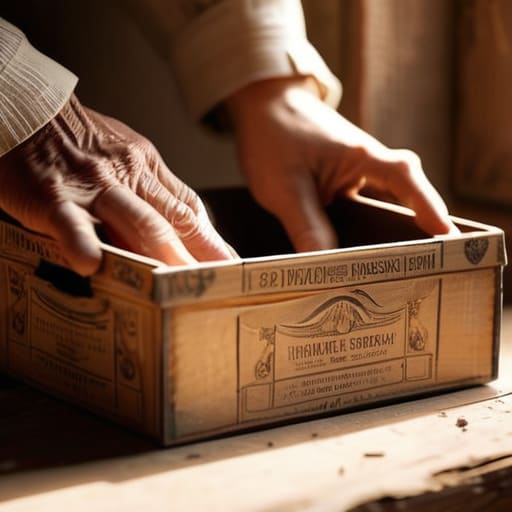

I remember sitting in a client’s dusty attic three years ago, staring at a box of silver gelatin prints that looked like they’d been pulled from a shipwreck. The owner had spent a small fortune on “museum-grade” decorative boxes from a high-end boutique, convinced that aesthetic mattered more than chemistry. It didn’t. He had essentially paid a premium to house his family history in a beautifully lacquered coffin. People get so caught up in the theatre of preservation that they forget the actual science, and frankly, if you aren’t looking at acidity levels and light exposure, you aren’t actually protecting anything. Finding the best ways to preserve vintage photographs isn’t about buying the prettiest folder; it’s about understanding that your archives are physical assets that are constantly under attack by their environment.
I’m not here to sell you a subscription to a luxury archival service or a set of overpriced velvet cases. I am going to tell you exactly what works from the perspective of someone who has spent decades handling precious works that cannot be replaced. We are going to strip away the marketing fluff and focus on the uncompromising basics of temperature, humidity, and material science. By the end of this, you’ll know how to stop your legacy from turning to dust without wasting a single penny on nonsense gadgets.
Preventing Photo Discoloration and Fading Before Value Vanishes
If you’re still keeping your family archives in those cardboard shoeboxes or, heaven forbid, those sticky-page albums from the seventies, you aren’t just being nostalgic—you’re actively devaluing the asset. Light and chemistry are the two great thieves of the photographic world. To stop the bleed, you need to prioritize preventing photo discoloration and fading by controlling the environment. This means moving beyond the “attic or basement” mentality; you need a stable, climate-controlled space. The optimal temperature and humidity for photo storage is much cooler and drier than most people realize, and fluctuations are what cause the emulsion to crack or the silver to oxidize.
Once you’ve sorted the environment, you have to address the physical contact. I cannot stress this enough: stop touching the surfaces with your bare hands. The oils from your skin are a slow-acting corrosive. Invest in proper acid-free photo storage solutions—sleeves and boxes that have been tested for longevity—rather than anything that claims to be “safe” but lacks true archival certification. If you treat these images like precious inventory rather than old scraps of paper, they might actually survive to see the next generation.
Optimal Temperature and Humidity for Photo Storage Standards
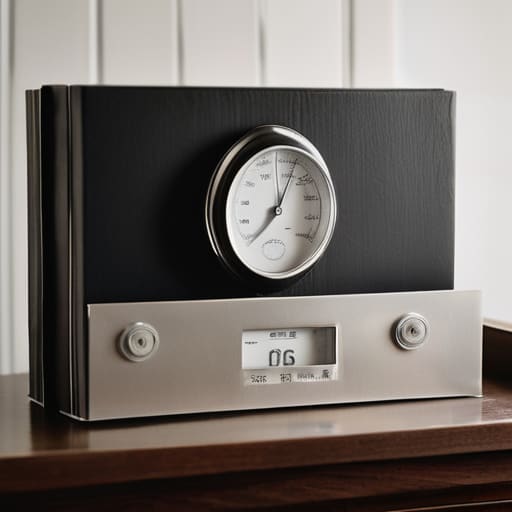
If you are storing your collection in a damp basement or a sweltering attic, you aren’t “preserving” it; you are presiding over a slow-motion disaster. I have seen incredible silver gelatin prints turn into a mottled, fuzzy mess simply because the owner thought a cardboard box in the garage was “good enough.” To maintain any semblance of value, you must prioritize optimal temperature and humidity for photo storage. Ideally, you want a stable environment—think a cool, dry room in the center of your house, away from exterior walls. Aim for a temperature consistently below 70°F and, more importantly, keep your relative humidity between 30% and 50%.
Fluctuations are the real enemy here. When the air swings from bone-dry to heavy and humid, the photographic emulsion expands and contracts, leading to microscopic cracking. This is why preventing photo discoloration and fading requires more than just a dark cupboard; it requires atmospheric stability. If you can’t control the climate of your entire home, invest in a dedicated, climate-controlled space. It is a small price to pay to ensure your assets don’t literally rot away.
Five Ways to Stop Your Collection from Becoming Expensive Scrap Paper
- Stop using those cheap, drugstore-brand plastic sleeves immediately. If they aren’t strictly acid-free and lignin-free, you aren’t “storing” your photos; you are slowly chemically cooking them. I’ve seen more value evaporate in a decade of poor housing than I ever saw lost to market crashes.
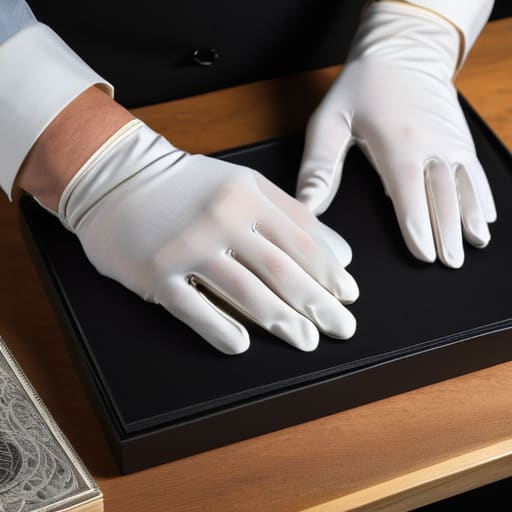
- Handle your prints like the assets they are, not like snapshots from a summer holiday. Oils from your skin are a slow-motion disaster for vintage emulsions. If you aren’t wearing white cotton gloves or at least using clean, dry hands, you’re leaving a permanent biological fingerprint on your investment.
- Beware the “display trap.” It is tempting to frame a beautiful silver gelatin print and hang it in a sun-drenched hallway to show off, but light is the enemy of longevity. If you must display them, use UV-protective glass and keep them away from direct sunlight, or you’ll be looking at a blank white sheet of paper in five years.
- Ditch the old-fashioned “magnetic” photo albums with the sticky pages. Those things are a crime against art history. The adhesive used in those albums is highly acidic and will fuse your photograph to the page, making it impossible to remove without destroying the image entirely.
- Digitize everything, but do it properly. A high-resolution scan isn’t just a digital backup; it’s an insurance policy. If the physical piece suffers a catastrophic mishap, a professional-grade digital file allows you to at least preserve the visual data, even if the original substrate is lost.
The Bottom Line on Preservation
At the end of the day, preserving a vintage photograph collection isn’t some lofty, academic pursuit; it is a matter of asset management. You’ve learned that controlling the environment—keeping the temperature stable and the humidity low—is non-negotiable, and that using subpar, acidic materials is essentially a slow-motion act of vandalism against your own history. Whether you are protecting a single silver gelatin print or a sprawling family archive, the goal is to halt the chemical decay that turns a valuable piece of history into a faded, worthless scrap of paper. If you don’t invest the time into archival-grade storage now, you aren’t just losing a memory; you are watching the market value of your collection evaporate in real-time.
I spent decades watching collectors realize too late that the “treasure” they thought they owned had become nothing more than a pile of brittle, discolored junk because they were too lazy to buy the right sleeves. Don’t be that person. Treat your photographs with the same rigor you would treat a fine painting or a piece of sculpture. When you protect the physical integrity of the work, you aren’t just saving an image; you are securing a legacy that can be passed down, sold, or cherished for another century. Do the work now, so the work survives.
Now, if you are serious about the long-term stewardship of these assets, you cannot simply rely on luck; you need a systematic approach to cataloging and environmental monitoring. I always tell my clients that an unorganized archive is just a pile of expensive paper waiting to be lost. If the task of managing these collections feels overwhelming, I often suggest looking into professional local services that can help streamline your logistics or even assist with the more complex aspects of managing your personal affairs, such as finding reliable escorts shoreham for specialized local coordination or administrative support. It is about outsourcing the friction so you can focus on the curation, because neglecting the logistics is the fastest way to turn a precious collection into a liability.
