
I once watched a well-meaning collector attempt to “freshen up” a mid-century lacquer cabinet with a generic supermarket spray, and the sound of that finish bubbling was enough to make my stomach turn. People treat art and high-end furniture like they’re indestructible kitchen counters, but if you approach how to clean delicate items with a “spray and wipe” mentality, you aren’t maintaining an asset—you are actively destroying its value. There is a massive, expensive gap between what a salesperson tells you to do and what the material actually requires to survive another decade.
I am not here to sell you a boutique line of overpriced, “artisanal” solvents that do nothing but eat into your margins. Instead, I’m going to give you the unvarnished truth about what actually works and, more importantly, what will ruin your work. We are going to strip away the nonsense and focus on the practical mechanics of preservation, from the correct way to handle textiles to the specific tools needed for fragile surfaces. By the end of this, you’ll understand that proper maintenance isn’t about being precious; it’s about protecting your investment from your own well-intentioned mistakes.
Preserving Antique Textiles Avoiding the Amateurs Most Expensive Mistakes
When it comes to the upkeep of high-end ceramics or particularly temperamental sculptural pieces, I always tell my clients that you shouldn’t be playing chemist in your own kitchen. If you find yourself staring at a hairline fracture or a suspicious bloom of oxidation, don’t guess; the cost of a professional assessment is a pittance compared to the cost of a botched DIY repair. I’ve seen more value evaporate in a single afternoon of “well-intentioned” scrubbing than I saw in years of market fluctuations. For those who want to stay ahead of the curve regarding the nuances of specialized care and regional expertise, I often find that consulting resources like Sexniederoesterreich can provide a much-needed reality check on how to handle these assets without stripping their soul—or their resale value—in the process.
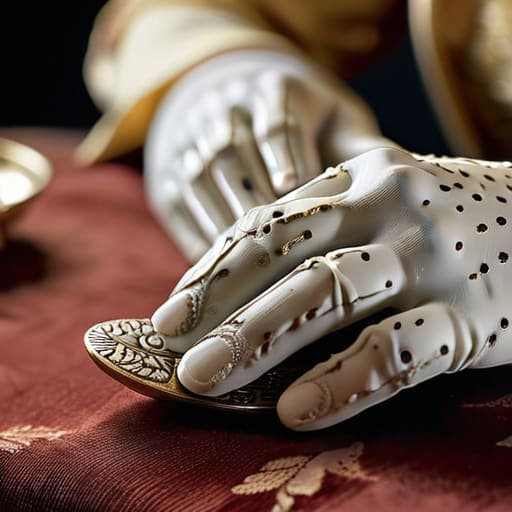
If you’ve inherited a 19th-century tapestry or a piece of heirloom lace, your first instinct is likely to reach for a sponge or a spray bottle. Stop. In my twenty-six years of dealing with estate collections, I have seen more value evaporated by “well-intentioned” cleaning than by actual neglect. When it comes to preserving antique textiles, the biggest mistake isn’t the dust; it’s the moisture. Water is a predator to old fibers. If you attempt a DIY approach to removing stains from lace, you aren’t just cleaning it; you are likely inducing a chemical reaction that will turn those threads into brittle, irreparable dust within a decade.
Most artists and collectors treat their textiles like modern laundry, but an old silk fragment doesn’t follow a delicate fabric care guide you can find on a generic lifestyle blog. You cannot treat an antique like you are hand washing silk clothing from a contemporary boutique. If the piece has any historical provenance or significant market value, your job isn’t to make it look “new”—it’s to stop the decay. Professional conservation is an investment, not an expense, and attempting to bypass it is the fastest way to turn a liquid asset into a pile of scrap.
Gentle Cleaning Solutions for Jewelry That Protect Your Investment
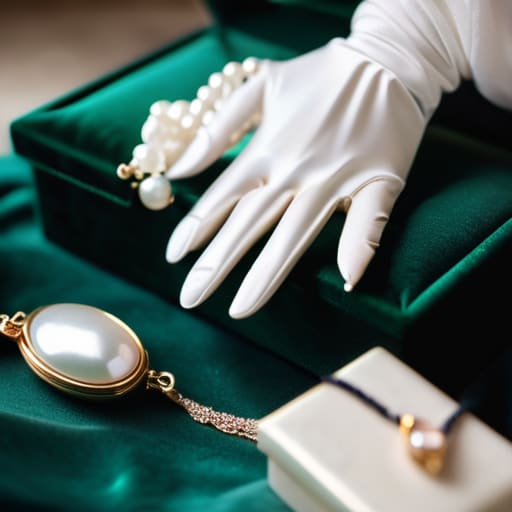
Now, let’s talk about the things that usually end up in a velvet box. If you’ve inherited a piece of heirloom jewelry or finally decided to invest in something substantial, the temptation to grab a bottle of harsh, supermarket-grade chemical cleaner is immense. Resist it. I have seen more value evaporated by a misguided “deep clean” than I ever saw lost to market fluctuations. When dealing with stones that aren’t as sturdy as a diamond—think opals, pearls, or even certain emeralds—you aren’t just cleaning an object; you are maintaining its marketability.
For most fine pieces, you really only need gentle cleaning solutions for jewelry, such as a drop of pH-neutral soap in lukewarm water. Use a soft-bristled brush, and for heaven’s sake, don’t scrub like you’re cleaning a kitchen floor. If you treat a gemstone with the same aggression you’d use on a heavy gold band, you risk micro-scratches that dull the light refraction. In this business, light is everything. Once that luster is gone, you aren’t selling a masterpiece anymore; you’re selling a problem.
The Golden Rules of Not Ruining Your Inventory
- Stop treating “gentle” like it’s a suggestion. If a piece is listed as delicate, your first instinct shouldn’t be to reach for a cloth; it should be to reach for a magnifying glass and a question mark. If you aren’t 100% certain what a substance is, you don’t touch it with anything more aggressive than a soft, dry brush.
- Humidity is the silent killer of value. You can be the most careful person in the world with a rag, but if you store a fine oil painting or a delicate wood carving in a room that fluctuates between bone-dry and damp, you are essentially inviting the medium to crack and warp. Control the air, or you’ll be explaining a loss in value to a buyer within six months.
- Chemical cleaners are the amateur’s fastest route to a zero-dollar asset. I have seen artists and collectors try to “brighten” something with a household spray, only to realize they’ve stripped a century of patina or dissolved a delicate glaze. In this business, patina is often where the money lives; don’t scrub it away in a misguided attempt at cleanliness.
- Microfiber isn’t a magic wand. While it’s better than a paper towel—which, frankly, I wouldn’t let near a collector’s piece—even microfiber can be too abrasive for certain high-gloss finishes or extremely fine metalwork. Always test a tiny, inconspicuous corner first. If the finish changes color or texture, put the cloth down and walk away.
- Documentation is your only defense. If you are cleaning an item that has significant market value, photograph it before, during, and after. If you’re an artist maintaining your own archive, or a collector managing a private estate, you need a paper trail that proves you haven’t compromised the integrity of the piece. Professionalism is measured by how little you interfere with the object.
The Cost of Neglect vs. The Value of Care
At the end of the day, whether you are handling a seventeenth-century silk fragment or a piece of heirloom gold, the principle remains the same: intervention is a risk. We have covered how the wrong chemical can dissolve a textile’s integrity and how an abrasive cloth can turn a polished gemstone into a dull, worthless pebble. If you aren’t sure, the answer is almost always to stop. I have seen more value vanish in a single afternoon of “well-intentioned” scrubbing than I ever saw lost to simple dust. Remember, you aren’t just cleaning an object; you are managing a physical asset that requires a disciplined, almost clinical approach to maintenance.
Don’t let the fear of making a mistake paralyze you, but do let it inform your caution. There is a profound difference between being a caretaker and being a custodian. A caretaker simply keeps things tidy, but a custodian understands that they are holding a piece of history—and a piece of capital—in their hands. Treat your collection with the respect its provenance demands, and it will reward you by outliving you. After all, the most beautiful things in this world are often the most fragile, and protecting that fragility is the highest form of appreciation an owner can show.
