

I remember sitting in the back of my gallery in 2004, watching a young landscape painter stare at a canvas for forty minutes as if waiting for the oil to whisper its secrets. He wasn’t looking for inspiration; he was terrified of making a mistake that might devalue the work. We’ve been sold this romantic, exhausting lie that a masterpiece requires a certain level of spiritual exhaustion to be complete. In reality, most artists don’t struggle with a lack of vision, they struggle with the fear of being judged. They keep layering, scrubbing, and glazing, losing the original energy of the piece simply because they haven’t figured out how to know when a painting is finished before the soul of the work has been smothered by indecision.
I am not here to give you a lecture on the sublime or the metaphysical. I’m going to tell you what I learned from twenty-six years of looking at the “finished” work of hundreds of artists through the eyes of a buyer. We are going to discuss the difference between a resolved composition and a tired one, and why overworking a canvas is the fastest way to tank your market value. This is about the practical, unsentimental intersection of artistic intuition and commercial reality.
Trusting Your Artistic Intuition and Decision Making

The problem with most artists I worked with wasn’t a lack of talent; it was a lack of confidence in their own eyes. You reach a point where the work is technically sound, but then the panic sets in. You start questioning the compositional balance in fine art, wondering if that one corner feels too heavy or if that shadow needs just a touch more depth. This is where the danger lies. When you stop painting from a place of intention and start painting from a place of anxiety, you aren’t creating anymore—you’re just negotiating with a ghost.
Trusting your artistic intuition and decision making is a muscle, and like any muscle, it atrophies if you only use it to second-guess yourself. I’ve seen brilliant, vibrant pieces turned into dull, lifeless sludge because an artist couldn’t walk away. They kept scrubbing at the surface, avoiding the terrifying silence of a completed work, only to end up with a muddy mess that no collector would touch. You have to learn to recognize that internal “click”—the moment where the dialogue between your eye and the canvas reaches a natural conclusion. If you wait until it feels “perfect,” you’ve already gone too far.
The Subtle Psychology of Artistic Completion
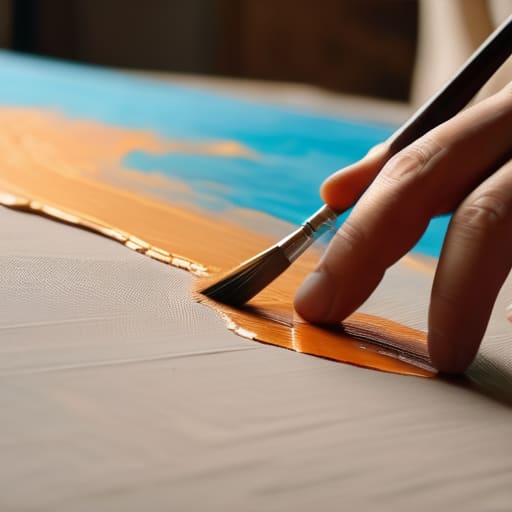
There is a specific, quiet tension that exists in a piece of work right before it crosses the threshold from “process” to “object.” It isn’t just about the visual elements; it’s about the energy. I spent decades watching artists approach their finished works in my gallery, and the ones that truly commanded a room were those that held their breath. They felt complete because the artist had stopped negotiating with the surface. When you succumb to the urge to “fix” a minor imperfection, you aren’t improving the work; you are suffocating it. You begin avoiding muddy colors in painting only to replace them with a dull, heavy fatigue that collectors can sense from six feet away.
The real danger lies in the subconscious desire to justify the price tag through sheer labor. We see it constantly: an artist thinks that more hours equals more value, but they are actually just performing a ritual of insecurity. You have to recognize the signs of overworking a canvas before the paint loses its luminosity and becomes a muddy battlefield of corrections. Completion is a psychological victory, not a technical one. It is the moment you decide that the work has said everything it needs to say, and you finally have the courage to let it speak for itself.
The Cost of Overworking
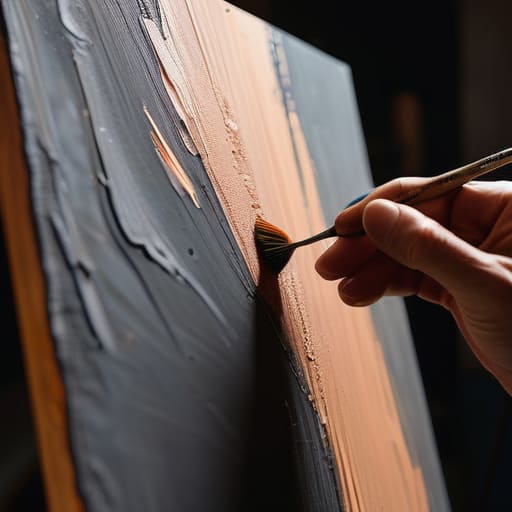
Oil on canvas, 40x50cm, 2024. If you’re still standing there with a fine-liner trying to ‘fix’ a composition that was already working twenty minutes ago, you aren’t perfecting the piece—you’re just negotiating with your own insecurity, and quite frankly, the market can smell the desperation in the brushwork.
Vivienne Ashworth-Pryce
The Final Decision
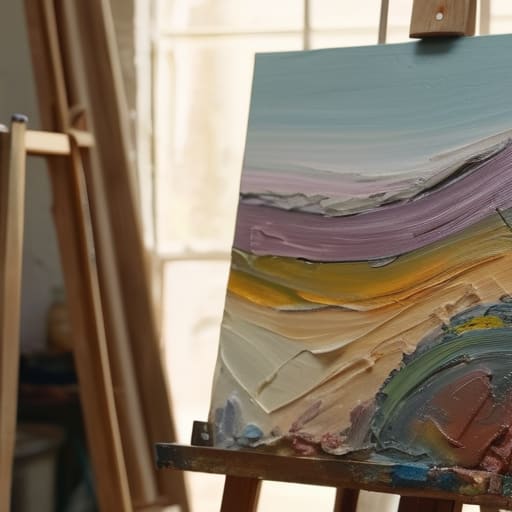
At the end of the day, knowing when to stop is a business decision as much as an aesthetic one. We’ve talked about the psychological trap of perfectionism and the importance of trusting your gut, but let’s be blunt: a painting that never leaves the studio is just an expensive hobby. You have to balance that internal sense of completion against the reality that overworking a piece eventually strips it of its vitality. If you keep chasing that phantom “perfect” stroke, you aren’t increasing the value of the work; you are merely exhausting your talent and your patience. A finished painting is simply one that has done its job and is ready to enter the world.
I spent twenty-six years looking at canvases through the eyes of a buyer, and I can tell you that collectors don’t fall in love with technical perfection; they fall in love with intention. They want to see the decisive moment where you stopped thinking and started feeling. So, take a breath, step back from the easel, and look at what you’ve made. If it speaks, let it go. The most successful artists I ever represented weren’t the ones who mastered every single millimeter of the surface, but the ones who had the courage to be finished. Now, put the brush down and go find something to eat.
Frequently Asked Questions
If I stop working on a piece too early, how do I know if I've actually created something "minimalist" or if I've just been lazy?
Oil on canvas, 24×30, 2024. I’ve seen this panic many times. The difference between intentional minimalism and mere laziness is intent. Minimalism is a decision; it’s the removal of the unnecessary to amplify the essential. Laziness is an avoidance of the difficult. Ask yourself: did you stop because you reached a point of clarity, or because you hit a technical wall you were too tired to climb? If you can’t defend the emptiness, it’s just unfinished.
At what point does the physical act of adding more detail start to actively devalue the work in the eyes of a collector?
Oil on canvas, 40x40cm, 2024. It’s a fine question, and the answer is brutal: the moment you stop solving problems and start trying to “fix” them. A collector buys a vision, not a struggle. When you overwork a surface, you trade intentionality for insecurity. The brushstrokes become frantic, the composition loses its breath, and suddenly, I’m not looking at a masterpiece; I’m looking at an artist who didn’t know when to stop.
How do I distinguish between a genuine creative block and the natural end of a painting's lifecycle?
A block feels like a wall; you’re staring at the canvas, frustrated, waiting for a lightning bolt that won’t strike. The end of a lifecycle feels like a sigh of relief. If you’re adding marks to “fix” a problem that doesn’t exist, you aren’t stuck—you’re just overworking. When the work has nothing left to say to you, it’s finished. Don’t mistake your exhaustion for a lack of talent. Walk away; the painting is done.
