

I remember sitting in my gallery in 2004, watching a young painter try to explain why his work looked like a mishmash of three different dead masters, convinced that “versatility” was his greatest selling point. He thought he was being clever, but to a collector, he just looked like he was having an identity crisis. Most people think that learning how to develop a personal style requires some sort of profound, mystical epiphany or a sudden, expensive pivot into a new medium. That is absolute rubbish. In reality, style isn’t a costume you put on to impress a critic; it is the visual shorthand that tells a buyer whether you are a disciplined professional or just someone playing dress-up with expensive pigments.
I am not here to give you a lecture on the “soul of the artist” or any other romantic nonsense that won’t pay your studio rent. Instead, I am going to show you how to identify the recurring patterns in your own hands and how to turn those patterns into a marketable signature. We are going to strip away the performative fluff and focus on the practical mechanics of consistency, because in this business, a recognizable style is the only thing that keeps a collector coming back for a second piece.
Finding Your Aesthetic Amidst the Noise of Trends
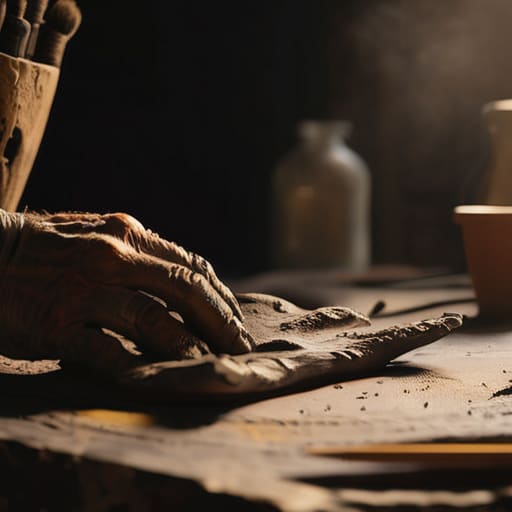
The problem with the current market is that everyone is looking at the same three Instagram feeds and trying to manufacture a “vibe.” You see it in the studios—a sudden, frantic pivot toward whatever texture or color palette is currently trending in the high-end auction houses. But trends are a depreciating asset. If you build your entire practice around what is currently “in,” you aren’t an artist; you’re a decorator with a high overhead. Finding your aesthetic isn’t about chasing the zeitgeist; it is about identifying the repetitive visual questions you are actually asking with your hands.
Think of it less like a frantic search and more like building a signature look for your output. In my years running the gallery, the artists who actually stayed relevant weren’t the ones who jumped on every new movement, but the ones who stayed obsessively consistent. They understood that a collector isn’t just buying a canvas; they are buying a piece of a coherent visual language. If your work changes its fundamental DNA every six months to match a trend, you aren’t showing growth—you are showing instability, and collectors can smell that from a mile away.
Visual Storytelling Through Clothing Your Non Verbal Cv
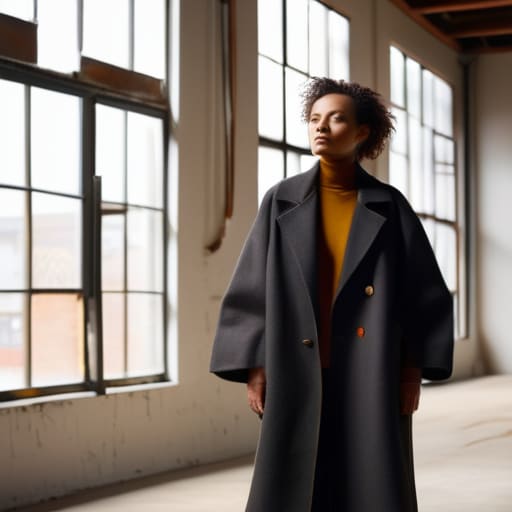
Let’s be blunt: when you walk into a studio visit or a high-stakes opening, you are a walking installation. People often mistake “professionalism” for a navy blazer and sensible shoes, but in this industry, that’s just white noise. What you actually need is visual storytelling through clothing that signals your intent before you even open your mouth. If your work is visceral, jagged, and unapologetically loud, but you show up dressed like a mid-level bank manager, you’ve created a cognitive dissonance that makes collectors uneasy. They aren’t just buying the canvas; they are buying into the ecosystem of the person who made it.
This isn’t about following trends or buying expensive labels; it’s about building a signature look that acts as a reliable shorthand for your brand. Think of it as curating a capsule wardrobe that serves as a stable backdrop to your creative output. Whether it’s a specific silhouette, a consistent palette, or a particular texture, your clothes should feel like an extension of your practice. When your physical presence aligns with your aesthetic language, you stop looking like an amateur asking for permission and start looking like an artist who understands their own value.
The Cost of Mimicry

Stop looking at what’s trending on Instagram and start looking at what you can produce consistently without losing your mind; a ‘style’ isn’t a collection of clever tricks you borrow from someone else, it is the visual shorthand that tells a collector you are a professional with a direction, rather than a hobbyist waiting for permission to exist.
Vivienne Ashworth-Pryce
The Bottom Line on Your Visual Identity
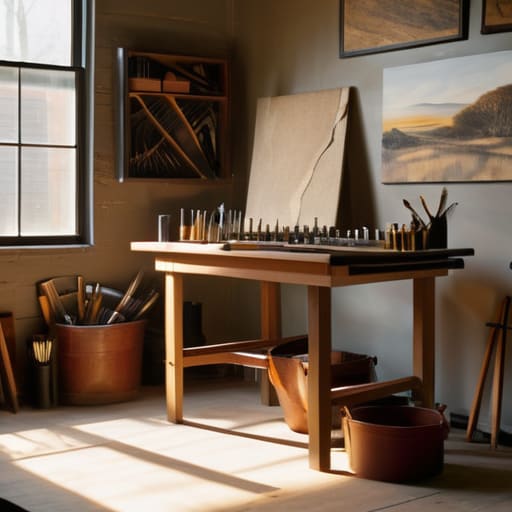
At the end of the day, developing a personal style isn’t about chasing the latest trend in the glossy magazines or trying to mimic the painters currently sitting in the window of a Soho gallery. It is about the intersection of your technical discipline and the visual shorthand you present to the world. We have discussed how to filter out the noise of fleeting aesthetics and how to use your own presentation as a non-verbal CV that signals your professionalism. If you can align what you create with how you carry yourself, you stop being a person who just makes things and start being an artist with a cohesive brand. Remember, consistency is what builds trust with collectors; they aren’t just buying a canvas, they are buying into a vision that they can recognize and rely upon.
Don’t be afraid of the silence that comes when you stop trying to please everyone. The most successful artists I ever represented weren’t the ones who were the loudest or the most “on-trend”; they were the ones who were so unapologetically themselves that the market eventually had no choice but to catch up. Your style is your most valuable asset because it is the only thing that cannot be mass-produced or easily replicated. Stop looking for permission to be distinct and start owning your aesthetic currency. The world has enough mimics; what it actually needs is your specific perspective, rendered with enough conviction that no one dares to mistake it for anything else.
Frequently Asked Questions
If I lean too hard into a specific "look" to build my brand, am I effectively pigeonholing myself and killing my ability to evolve as an artist?
Oil on linen, 40×40, 2024. I’ve seen it happen a dozen times. You build a “brand” around a specific gimmick, and suddenly, you’re not an artist; you’re a manufacturer of a specific product. Collectors love predictability—it makes them feel safe—but if you can’t pivot, you’ll eventually stagnate. The trick is to develop a consistent voice, not a repetitive costume. Let your technique evolve while your underlying intent remains the constant.
How much of my personal style should be an authentic reflection of my work, and how much should be a calculated performance for the collectors I'm trying to attract?
Oil on canvas, 40×40, 2024. I like the question, because it touches on the uncomfortable truth of the trade. It shouldn’t be an “either/or.” If you dress like a minimalist architect but paint chaotic, visceral expressionism, you create a cognitive dissonance that makes collectors nervous. They want to believe they are buying into a person, not just a product. Aim for a cohesive brand, not a costume; your presentation should signal the same level of intentionality as your brushwork.
Is there a point where "developing a style" becomes a shallow marketing gimmick that actually devalues the perceived substance of my art?
Oil on canvas, 40x40cm, 2024. I like it.
