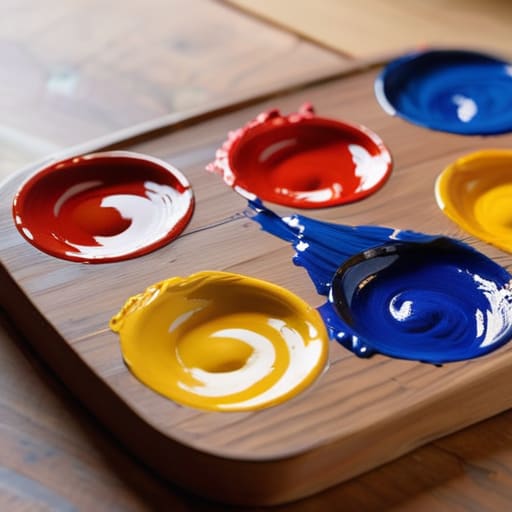

If you search for a “complete guide to acrylic painting” online, you’ll mostly find two things: expensive, color-coded tutorials for hobbyists and glossy marketing fluff that suggests you need a thousand-dollar set of tubes to be taken seriously. It’s exhausting. I spent twenty-six years watching artists struggle because they were taught how to mix a pretty sunset, but never taught how to handle the physical reality of the medium—the drying times that kill your momentum, the plastic film that ruins a delicate glaze, or the way cheap pigments make a professional canvas look like a student project. Most guides teach you how to play; they don’t teach you how to produce work that holds its value.
I’m not here to teach you how to dab paint around; I’m here to tell you how to master the medium so it actually survives the transition from your studio to a collector’s wall. We are going to skip the fluff and focus on the technicalities that matter: archival stability, layering logic, and the unromantic truth about material costs. This is about building a practice that is as structurally sound as it is aesthetically pleasing.
Mastering Essential Acrylic Painting Supplies for Longevity
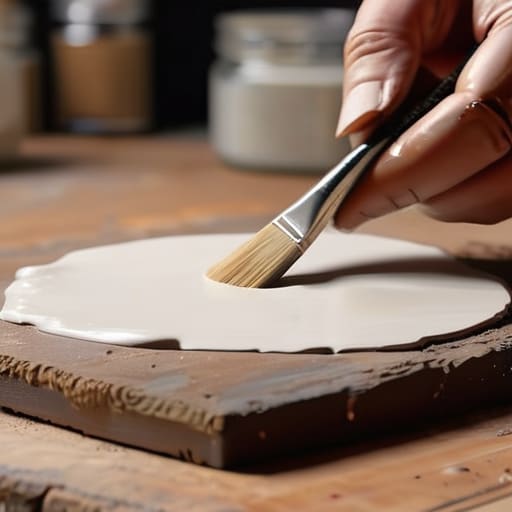
Listen, I have seen more “masterpieces” end up in the bin than I care to admit, and most of the time, it wasn’t because the vision was lacking—it was because the artist treated their materials like an afterthought. If you are serious about building a body of work that a collector will actually want to hang in their home ten years from now, you cannot skimp on the basics. Proper canvas preparation for acrylics is the invisible foundation of everything; if your ground is rubbish, your paint will eventually crack or peel, and no amount of talent can fix a structural failure.
Once you’ve sorted your surface, stop treating your paint like cheap craft supplies. I’ve seen artists struggle with muddy tones simply because they were trying to force color mixing for beginners logic onto high-quality pigments they didn’t actually understand. You need to invest in a decent range of heavy-body tubes and, more importantly, various acrylic medium applications to control your drying times and textures. If you want to master those seamless transitions or thick, impasto strokes that command a higher price point, you need tools that actually respond to your hand, not materials that fight you at every turn.
Canvas Preparation for Acrylics That Commands Premium Prices
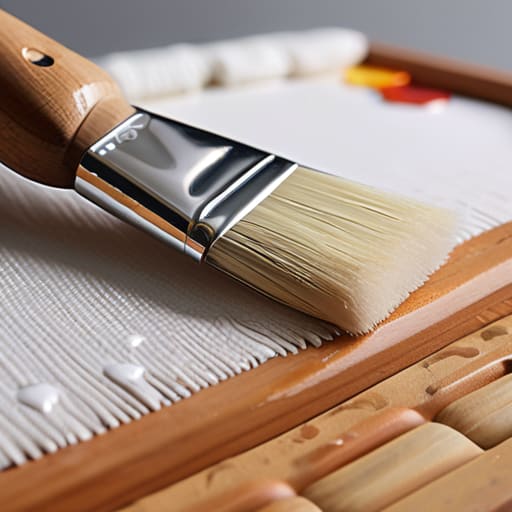
Let’s be blunt: a collector isn’t just paying for your vision; they are paying for the assurance that your work won’t crack or peel off the wall in five years. I have seen far too many artists attempt to bypass proper canvas preparation for acrylics because they are in a rush to get to the “fun part.” If you are working on a cheap, pre-primed canvas from a big-box store, you are likely fighting a losing battle against absorption. Those factory gesso layers are often thin and inconsistent, which ruins your ability to control how the paint sits.
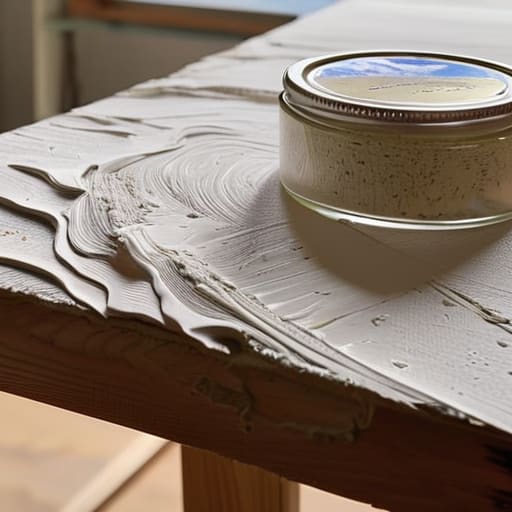
If you want to command premium prices, you must treat the surface as the foundation of your investment. I always advised my artists to apply several layers of high-quality, archival gesso, sanding lightly between each pass. This creates a controlled tension that is vital for advanced layering acrylic paint methods. When the surface is correctly prepared, your colors will remain vibrant and your brushwork will have the structural integrity that serious collectors look for. Don’t let a mediocre substrate devalue your talent.
The Cost of Cheap Materials
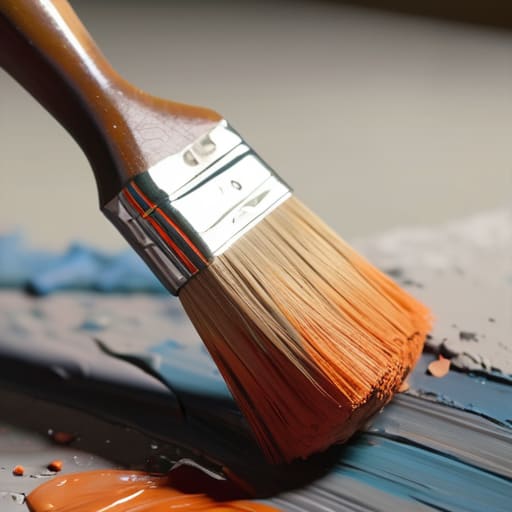
Oil on linen, 40×40, 2024—it’s a beautiful thought, but if you’re using student-grade acrylics and a cheap, unprimed canvas, you aren’t making art; you’re making a ticking time bomb for a collector. I’ve spent far too many years explaining to disappointed buyers why a piece they paid five hundred pounds for is cracking after three summers, and quite frankly, no amount of ‘artistic vision’ can justify selling work that isn’t built to last.
Vivienne Ashworth-Pryce
The Bottom Line on Your Acrylic Practice
We have covered a lot of ground, from the granular chemistry of your pigments to the structural integrity of your substrate. If you take nothing else from this, remember that professional-grade acrylic painting is not just about the stroke of the brush; it is about the infrastructure of the work. When a collector looks at a piece, they aren’t just seeing your vision—they are subconsciously assessing whether that canvas will crack in five years or hold its value for fifty. Using inferior supplies or skipping the essential steps of preparation is essentially leaving money on the table before you even hang your first show. You cannot build a sustainable career on a foundation of cheap gesso and inconsistent mediums.
At the end of the day, the market is often cold and the business side is even colder, but your technical mastery is the one thing no one can negotiate away from you. Once you have mastered the tools and the prep, you stop being a hobbyist playing with plastic and start being a professional creating enduring assets. Don’t let your talent be undermined by technical negligence. Go back to the studio, refine your process, and treat your materials with the respect that a serious career demands. The world has enough mediocre paintings; it is waiting for the ones that are built to last.
Frequently Asked Questions
If I use professional-grade heavy body acrylics instead of student grade, will a collector actually notice the difference in the final sale price?
Oil on linen, 30×40, 2024. If you’re asking if they’ll notice, the answer is yes, but perhaps not in the way you think. A collector isn’t looking at the tube label, but they will notice when the pigment looks chalky or the surface cracks in five years. Student grade lacks the lightfastness and depth that justifies a premium price. If you want to charge professional rates, you cannot use amateur materials. You aren’t just buying color; you’re buying longevity.
How much does the choice of medium—like adding gels or retarders—affect the long-term archival value and the way a gallery appraises my work?
Oil on canvas, 24×36, 2024. If you’re using cheap gels or heavy retarders to fake texture or slow drying times, you’re playing a dangerous game with your longevity. A gallery doesn’t just look at the image; we look at the structural integrity. If those additives cause cracking or yellowing in five years, your “investment” becomes a liability. Collectors buy permanence, not just a moment. Use professional-grade mediums, or don’t expect a premium price.
At what point does investing in high-end brushes and expensive pigments stop being a tool for quality and start being a drain on my actual profit margins?
Oil on canvas, 30×40, 2024. I like the way you’re thinking. Here is the truth: invest in pigments that won’t fade into a muddy mess in five years—collectors pay for permanence, not just pretty colors. But those sable brushes? Don’t fall for the trap. If a £50 brush doesn’t tangibly change your mark-making or the speed of your workflow, it’s just a vanity purchase. Stop buying tools to feel like a professional and start buying them to create value.
