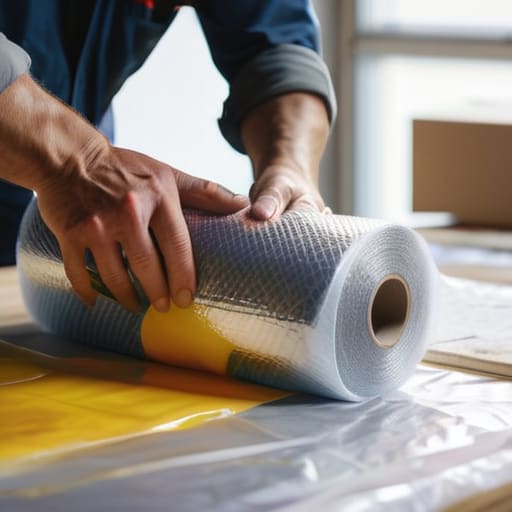

I remember standing in my gallery’s back room in 2008, staring at a $4,000 landscape that had arrived from a studio in Cornwall looking like it had been through a literal war zone because the artist thought a bit of bubble wrap and a prayer was a “complete guide to shipping artwork.” The canvas was dented, the frame was splintered, and my client—a lovely woman who had saved for months to buy that specific piece—was understandably furious. Most people will tell you that shipping is just a logistical box to tick, or they’ll try to sell you on expensive, proprietary crating systems that eat your entire profit margin before the work even leaves your sight.
I’m not here to sell you on expensive nonsense or feed you the romanticized myth that art “finds its way” to its destination. I am going to give you the unvarnished truth about how to move your work without destroying your bank account or your reputation. We are going to talk about the actual costs of materials, the specific ways to pack for different mediums, and how to choose a carrier that won’t treat your life’s work like a pile of laundry. This is about protecting your margins as much as your paintings.
Mastering Fine Art Logistics and Handling Without Losing Your Shirt
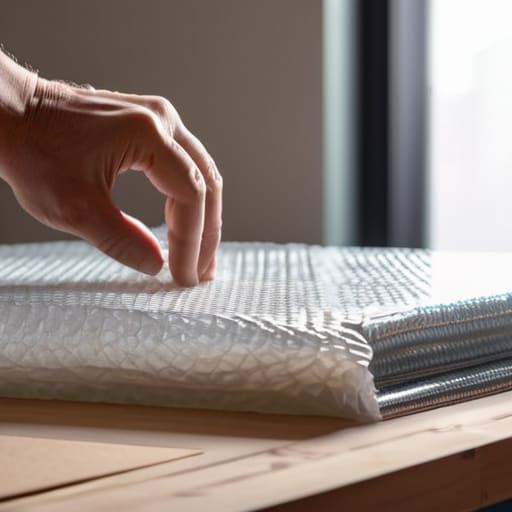
Let’s be clear: “logistics” is a polite, sterile word for what is actually a high-stakes game of physical preservation. When I ran my gallery, I saw more heartbreak from a poorly wrapped canvas than from a bad review. You aren’t just moving an object; you are moving your reputation. If you are moving beyond a local courier, you need a rigorous art shipping supplies checklist—acid-free glassine, heavy-duty corner protectors, and enough bubble wrap to make the piece look like a small planet. If you skimp here, you aren’t being frugal; you are simply handing your profit margin over to the insurance adjusters.
For those of you working in three dimensions, the stakes escalate. Shipping fragile sculptures safely requires more than just a sturdy box; it requires internal bracing that prevents the piece from even thinking about moving an inch. Whether it’s a delicate ceramic or a heavy bronze, the goal is total immobilization. If you’re venturing into crating artwork for international shipping, do not attempt to DIY a crate unless you have a workshop and a steady hand. At that level, a custom wooden crate isn’t a luxury—it’s the bare minimum requirement for survival.
Protecting Paintings During Transit From Amateur Mistakes
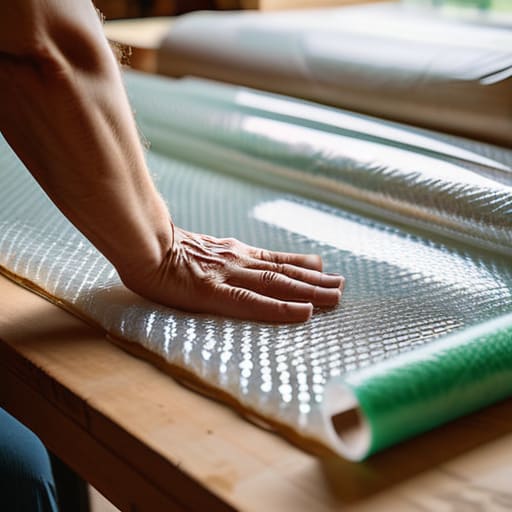
I’ve seen more careers derailed by a single dented corner than by a bad critic’s review. Most artists treat packaging as an afterthought, something to be squeezed in between studio sessions, but that is a catastrophic mistake. If you are sending a canvas, you cannot simply wrap it in bubble wrap and hope for the best. You need a rigorous art shipping supplies checklist—acid-free glassine, corner protectors, heavy-duty cardboard, and proper bracing—before you even think about taping a box shut.
The real danger lies in the “it’ll be fine” mentality. When you are protecting paintings during transit, you aren’t just shielding them from dust; you are defending them against vibration, humidity shifts, and the sheer, unthinking brutality of a courier sorting facility. If a painting arrives with a scratch through the impasto because you used cheap tape or insufficient padding, that collector isn’t going to ask for a refund; they are going to stop answering your emails. You are not just shipping an object; you are shipping your professional reputation in a cardboard box.
The High Cost of Cheap Crating
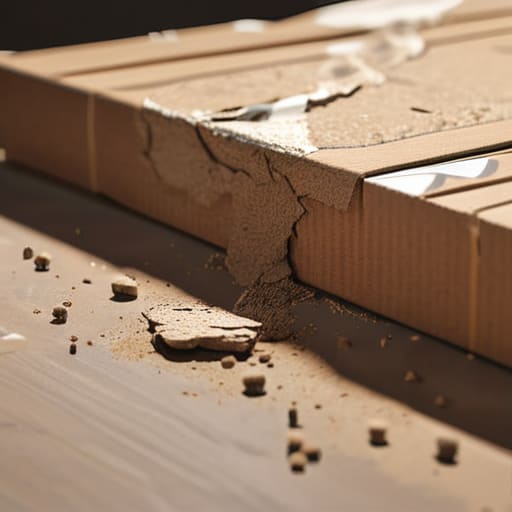
If you treat shipping like a mere line item to be minimized, you aren’t being fiscally responsible—you’re playing Russian roulette with your hard work and your reputation. I’ve seen a career’s worth of momentum die in the back of a poorly packed van, and let me tell you, a collector will forgive a delay, but they will never forgive a masterpiece arriving with a corner crushed because you tried to save fifty pounds on a box.
Vivienne Ashworth-Pryce
The Final Audit
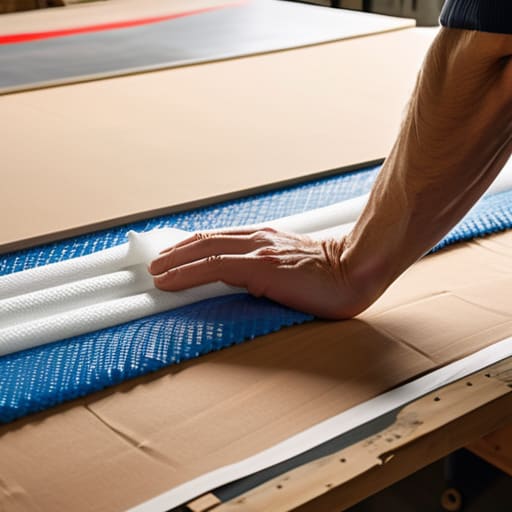
At the end of the day, shipping isn’t just a logistical chore to be ticked off a list between studio sessions; it is the final, critical stage of your professional presentation. You can spend months perfecting a canvas, only to have your reputation arrive at a collector’s doorstep in several jagged pieces because you thought a bit of bubble wrap and a thin cardboard box would suffice. Remember: invest in the right crating, choose your carriers with a healthy dose of skepticism, and never, ever skimp on the insurance. If you treat the transit of your work as an afterthought, you are essentially telling your client that your professionalism ends where the studio door closes.
I know it feels like a distraction from the actual work, but mastering these mechanics is how you transition from being someone who “makes things” to being a professional artist with a sustainable career. When a piece arrives safely, pristine, and beautifully packaged, you aren’t just delivering an object—you are delivering peace of mind. You are proving to the collector, the gallerist, and yourself that your work is valuable enough to be protected. So, take the extra hour to pack that crate properly. It is much easier to build a legacy of excellence than it is to spend your career apologizing for a broken frame.
Frequently Asked Questions
If a piece arrives damaged, who is actually responsible for the insurance claim—the artist, the gallery, or the courier?
It depends entirely on who held the “transfer of risk” at the moment the hammer fell. If you’re selling direct, you’re the one responsible for ensuring it arrives intact; if the courier breaks it, you’re the one fighting the claim. If you’re with a gallery, check your contract—usually, they handle the logistics, but if you didn’t specify insurance in your consignment agreement, you might find yourself staring at a broken canvas and an empty bank account.
At what point does it become more cost-effective to invest in professional crating rather than just using heavy-duty cardboard and bubble wrap?
Oil on canvas, 40 x 30 inches, 2024. It’s a lovely piece, but if you’re shipping it across the country, don’t be a martyr for your margins. Once you move past small, flat works or works under $1,500, the “cardboard and prayer” method becomes a liability. If the piece is significant—either in price or in how much it would break your heart to see it scratched—invest in the crate. Professional crating isn’t an expense; it’s insurance against a catastrophic loss of reputation.
How do I factor the escalating costs of specialized art shipping into my retail pricing without making my work look prohibitively expensive?
Stop trying to hide shipping costs in your retail price. If you bake a £200 crating fee into a £1,000 painting, you’ve just made your work look like a £1,200 painting to every collector comparing you to others. It’s dishonest and it kills your momentum. Price your work for the art, then list shipping as a transparent, separate line item. People expect to pay for logistics; they don’t expect to pay for your bad math.
