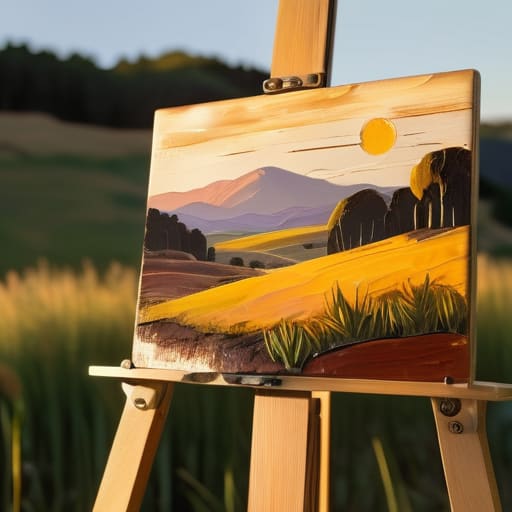

Stop buying the $400 travel easels and the “essential” kits designed by people who have never actually sat in a field in a light drizzle. I spent twenty-six years watching artists mistake expensive gear for actual talent, convinced that if they just had the right French-madepochre, their work would suddenly command gallery prices. They treat how to work en plein air like a sacred, gear-heavy ritual, when in reality, most of it is just a way to avoid the hard work of actually seeing the light. If you’re waiting for the perfect atmospheric conditions and a pristine setup to start, you aren’t an artist; you’re a tourist with a sketchbook.
I’m not here to sell you on the romance of the landscape; I’m here to tell you how to survive it without going broke or coming home with nothing but a ruined canvas. I will show you how to manage your time, your palette, and your sanity when the weather turns sour and the light vanishes. This isn’t about finding your soul in a meadow; it’s about the practical, gritty logistics of translating a fleeting moment into something a collector actually wants to hang in their home.
A Leaner Plein Air Painting Supplies List for Serious Intent
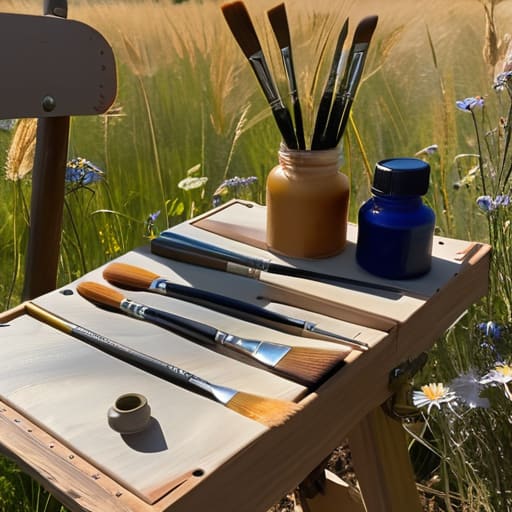
Most artists approach a field trip like they’re preparing for a military campaign, lugging a heavy studio setup into a meadow only to realize they’ve brought everything except their actual talent. If you want to actually finish a piece, you need to stop treating your gear like a security blanket. A sensible plein air painting supplies list shouldn’t include every tube of pigment you own; it should include the five or six colors that actually matter when you’re managing color temperature outdoors. If you can’t carry your kit comfortably for twenty minutes, you aren’t painting; you’re just hiking with an ego.
I’ve seen many young painters struggle with portable easel setups for artists that are far too precious for the reality of wind and uneven grass. Forget the heavy mahogany tripod. You need something that works with the landscape, not against it. I prefer a compact pochade box or even a simple wooden board; anything that allows you to focus on the light rather than whether your easel is about to topple into a creek. Efficiency is the only way to stay productive before the sun decides to move on without you.
Portable Easel Setups for Artists Who Value Mobility Over Ego
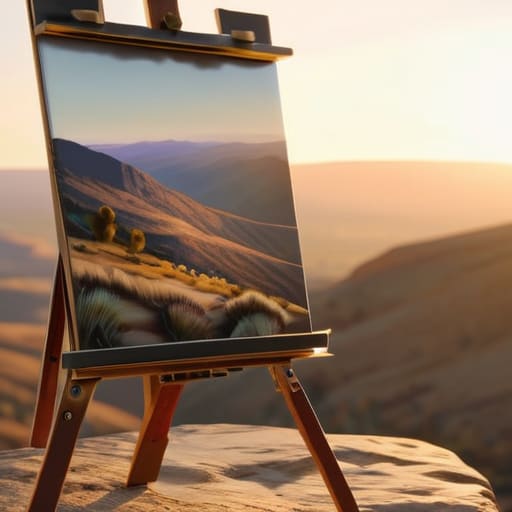
I’ve seen far too many young painters arrive at a scenic overlook looking like they’re preparing for a military expedition. They lug around heavy, mahogany field easels that would make a Victorian landscape painter weep with envy, only to realize halfway through the session that they can’t actually find a level patch of ground to set them up. If you are serious about portable easel setups for artists, you need to stop equating weight with professionality. A heavy setup is just a fancy way of ensuring you spend more time fighting gravity than actually painting.
The goal is to find a middle ground between a flimsy student tripod and a heavy-duty workstation. I always tell my clients that your gear should be an extension of your arm, not an anchor. Whether you opt for a lightweight French easel or a compact pochade box, the priority is minimizing the friction between your idea and the canvas. If your setup takes twenty minutes to assemble, you’ve already lost the light. Focus on gear that allows you to pivot quickly; the weather doesn’t wait for you to tighten a stubborn wingnut, and neither does the market.
The Studio is a Lie
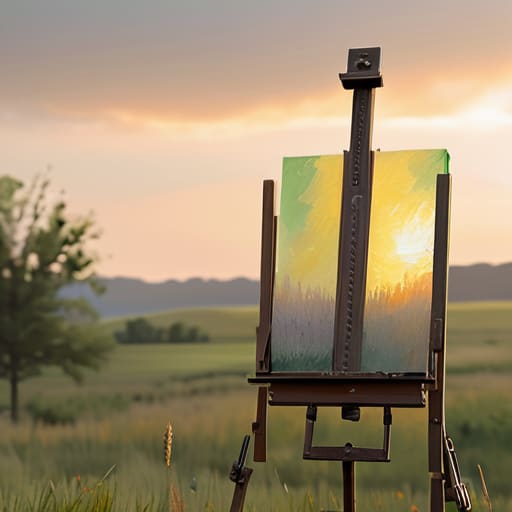
Stop treating your outdoor practice like a pastoral holiday; if you aren’t prepared to fight the wind, the light, and your own stubbornness, you aren’t painting en plein air, you’re just taking an expensive walk with a messy easel.
Vivienne Ashworth-Pryce
Stop Overthinking the Gear and Start Painting
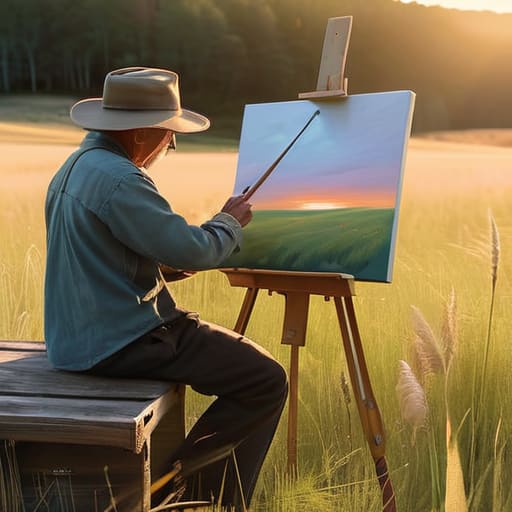
At the end of the day, plein air painting isn’t about possessing the most expensive French-made pochade box or a collection of brushes that cost more than your monthly groceries. It is about the ruthless economy of movement and the ability to translate a fleeting moment into something tangible before the light shifts and leaves you staring at a muddy mess. We have covered the necessity of a lean supply list, the importance of choosing a setup that serves your mobility rather than your vanity, and the reality that excessive gear is often just a way to procrastinate the actual work. If your kit is so heavy that you spend more time wrestling with your easel than observing the landscape, you aren’t an artist in the field; you’re just a person moving heavy objects around for no reason.
My advice to you is this: get out there and embrace the mess. The market doesn’t care if you used a professional-grade tripod or a folding camp stool from a discount store; it cares about the integrity of your vision and the honesty of your mark-making. There is a specific kind of courage required to stand in the wind, squinting at a horizon, and trusting your eyes over your equipment. Stop waiting for the perfect kit to arrive in the mail and start making the work that is actually worth selling. The light won’t wait for your inventory to be complete, so go catch it.
Frequently Asked Questions
How do I actually price these smaller, more spontaneous works compared to my studio pieces without looking like I'm devaluing my brand?
Oil on linen, 10×12, 2024. I like the impulse behind them. Listen, don’t price by the hour; price by the entry point. These aren’t “lesser” works; they are accessible works. Think of them as your brand’s appetizers. Keep them consistent—perhaps a fixed price point based on size rather than complexity. It signals to collectors that your talent is a constant, even if the scale shifts. It builds a ladder, not a discount bin.
If I’m spending more on travel and specialized gear to get outside, how do I ensure my plein air output is actually profitable and not just an expensive hobby?
Oil on canvas, 12×16, 2024. It’s a lovely sentiment, but sentiment doesn’t pay for petrol or high-grade pigments. If you’re treating travel like a pilgrimage, you need to treat the output like a product. Stop chasing the “perfect” light and start building a cohesive series. Collectors buy a vision, not a collection of disparate snapshots. If you can’t sell the cohesive body of work, you aren’t an artist on location; you’re just a tourist with an expensive easel.
Do collectors actually want to buy these "studies," or am I just creating a secondary tier of work that will sit in my studio forever?
Oil on canvas, 10×12, 2024. I love them. Listen, don’t mistake a “study” for a “scrap.” Collectors aren’t looking for a finished masterpiece every time; they are looking for the raw, urgent energy that often gets polished away in the studio. If you frame them well and price them as a deliberate, accessible entry point into your practice, they sell. They aren’t secondary work; they are the heartbeat of your process.
